Kuwait-1.jpg

April 20, 2026 mebim0

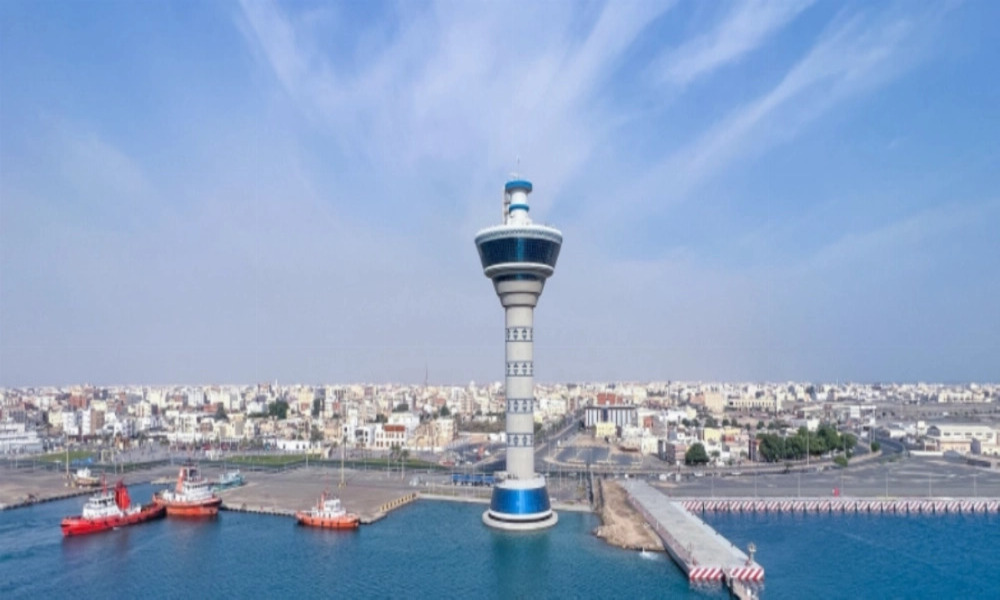
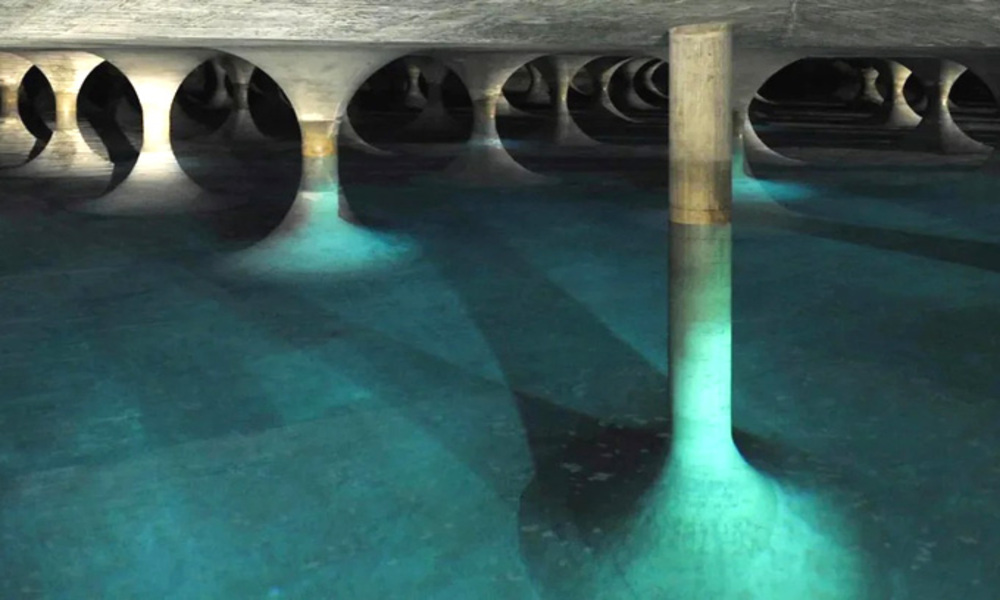
Kuwait has announced plans to develop 6 underground reservoirs in the Al Na’eem region of the country, each with a capacity of 100m imperial gallons. The move comes as part of its broader strategy to expand strategic water reserves, particularly for fresh and brackish water.

The Ministry of Electricity, Water and Renewable Energy, through its Water Projects Sector, is making preparations for these key projects, mainly aimed at strengthening the country’s water storage capacity and ensuring supply during peak demand periods.

The project has been included in the ministry’s current fiscal plan and will be offered through a public tender process. Bidding will be open to companies approved by the Central Agency for Public Tenders (CAPT), said the ministry in a statement.

CAPT will oversee the tender process, including announcing the project, setting submission deadlines, and opening bids. Once received, proposals will be forwarded to the ministry for technical evaluation, after which a final decision will be made with approval from the State Audit Bureau (SAB).

The Al-Na’eem water reservoirs project is seen as essential to meet rising demand and maintain supply stability during high-consumption periods.

Once completed, the reservoirs will support residents in the Al Na’eem and nearby areas by ensuring a reliable and continuous water supply, especially during peak usage seasons, it added.

The post Kuwait announces plans for 6 underground water reservoirs appeared first on Middle East Construction News.


Source: MEConstructionNews


jubail-2-2-1.jpg

April 20, 2026 mebim0

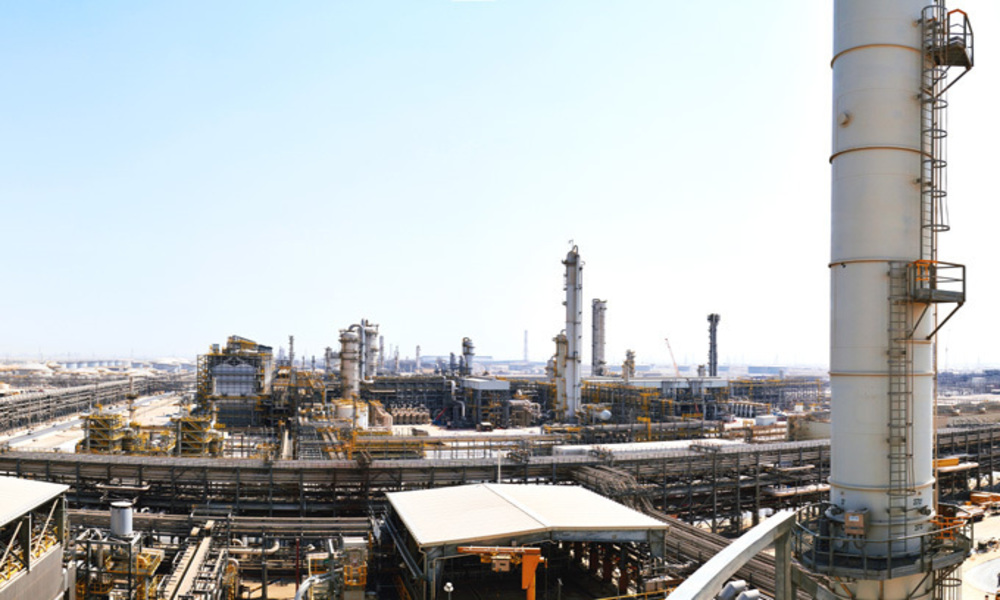
Saudi Arabia’s Royal Commission for Jubail and Yanbu has announced its total investments in the industrial cities has risen to over US $400bn by the end of 2025, according to its annual report.

As one of the country’s key industrial hubs, Jubail is focused on petrochemicals and heavy industry, while Yanbu serves as a refining and downstream processing centre on the Red Sea coast, together forming dual export gateways linking Saudi industry to global markets.

According to SRCJY, the growth underscores the commission’s role as a key enabler of the National Industrial Development and Logistics Program (NIDLP), which aims to position the Kingdom as a global industrial and logistics hub by developing the industrial, mining, energy, and logistics sectors and enhancing their integration and investment attractiveness.

The figure reflects the scale of investments and the alignment of the authority’s efforts with the objectives of the National Industrial Strategy, which seeks to develop national industries, maximise value addition, and expand the production base, thereby strengthening the competitiveness of the national economy and increasing the contribution of the non-oil sector to economic growth.

Established in 1975, the Royal Commission was created to develop Jubail and Yanbu as integrated industrial cities, designed to leverage hydrocarbon resources to build downstream petrochemical and manufacturing ecosystems supported by ports, infrastructure networks, and industrial services.

Over the decades, the 2 cities have become central pillars of the Kingdom’s industrial base and export capacity.

NIDLP brings together key entities responsible for industrial transformation, including the Saudi Authority for Industrial Cities and Technology Zones (Modon), the Saudi Industrial Development Fund (SIDF) and the Ministry of Industry and Mineral Resources, co-ordinating financing, industrial land development and sectoral expansion.

The post Industrial investments in Jubail and Yanbu cross US $400bn appeared first on Middle East Construction News.


Source: MEConstructionNews


Amwaj-3.jpg

April 20, 2026 mebim0

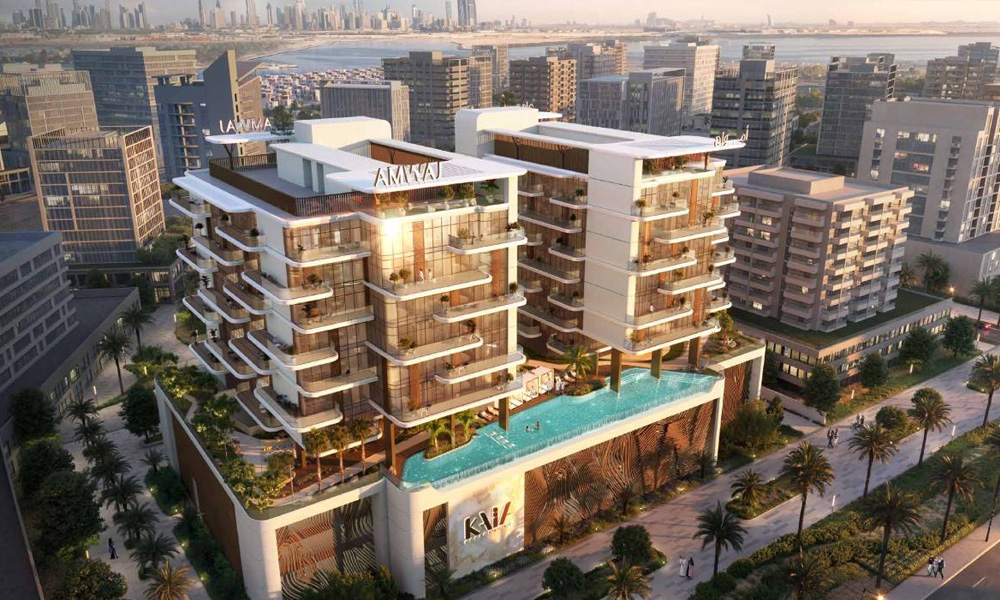
Amwaj Development has unveiled ‘KAIA – Shaped by Nature, Defined by Calm’, which is billed as a beachfront residential community on Dubai Islands – Island A. The project aims to introduce a new chapter of coastal living.

KAIA is a lifestyle-first, mid-rise development and has been designed to cater to residents who prioritise spacious living, well-being, and modern functionality. Spanning 2-buildings, KAIA offers a total of 128 residences. Strategically located near Dubai International Airport and Dubai Healthcare City, KAIA presents a unique opportunity to reside by the water, while still enjoying a strong connection to the city.

Murad Saleh, CEO of Amwaj Development said, “From the very beginning, Amwaj was not created to follow the path of others. It is built to set new benchmarks and to express Dubai’s spirit through design, quality, and human connection. KAIA is a continuation of that vision; a calm, contemporary community shaped around how people truly want to live.”

The architectural concept, led by NEB National Engineering Bureau in collaboration with Accurex Project Management, draws inspiration from movement and fluidity. Rounded slab edges, bronze-tinted glasing and warm materials echo the rhythm of the shoreline, while allowing for sweeping views, extended balconies and abundant natural light. The design establishes a human-scale residential setting that feels intimate, modern and attuned to its environment.

Life at KAIA is centred around well-being, with amenities integrated into landscaped podiums and rooftop environments. Residents can indulge in a crystal-clear infinity pool, an AI-powered gym, outdoor fitness zones, gaming lounges, a snow room, sauna, and steam facilities, a yoga rooftop, and multiple children’s areas, including splash zones and creative spaces. Smart home systems, concierge services, and EV charging further enhance the convenience and comfort of daily life, it added.

Aida El Shahabi, COO of Amwaj Development said, “Amwaj’s story is far from complete in fact, we are only at the beginning of a much greater journey. Our upcoming projects will continue to elevate our standards that redefine urban living in Dubai.”

Zeina Khoury, President of Zed Capital, exclusive sales partner added, “Every curve, every line, every material was chosen to express calm, beauty and connection values that sit at the heart of Amwaj’s identity.”

KAIA’s development unit mix, ranging from 1-bedroom apartments with studies to 4-bedroom duplexes, has been designed to cater to the needs of end-user families, young professionals, and long-term investors. For investors, the project benefits from Dubai Islands’ growing waterfront district, which offers rental appeal and competitive entry pricing, supported by the broader infrastructure growth of the area.

The post Amwaj Development unveils KAIA Beachfront Residences on Dubai Coast appeared first on Middle East Construction News.


Source: MEConstructionNews


sobha-1.jpg

April 20, 2026 mebim0

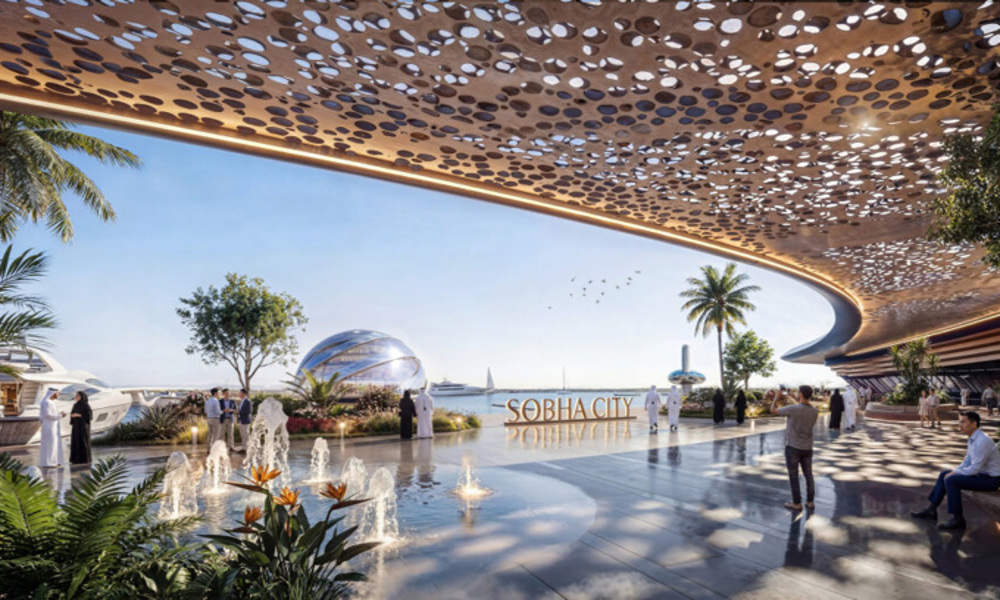
Sobha Realty has announced its entry into Abu Dhabi with the unveiling of Sobha City, a master-planned community that reflects a deliberately quiet and serene approach to urban living in the UAE capital.

Marking the developer’s first large-scale residential development in Abu Dhabi, Sobha City represents a milestone rooted in a 50-year legacy of craftsmanship and a long-term commitment to shaping environments that prioritise well-being, design integrity, and enduring value, said a statement.

Set in Al Bahiya along the prime E10 and E12 corridor, close to Zayed International Airport and Yas Island, Sobha City unfolds as a low-density, nature-led Madinat designed around space, light, and movement. Spanning 38m sqft, with an initial phase of around 8m sqft of land area, the development is envisioned as a ‘City within a city’ that will evolve into a fully integrated, self-sustained ecosystem. Designed for family-oriented living, the gated masterplan demonstrates a commitment to crafting complete communities, where everyday living is shaped by balancing privacy, connectivity, and well-being, it added.

Sobha Realty said the move into the UAE capital aligns with Abu Dhabi’s continued evolution as a global destination defined by stability, cultural depth, and quality of life. Designed with nature at its core, 60% of the masterplan is dedicated to open and green spaces, with more than 50,000 trees, forest-inspired landscapes, and shaded walkways shaping a seamless sense of quiet continuity, said the master developer.

An expansive wellness loop spanning over 18 km encourages a slower, more intentional pace of life, while pedestrian-first pathways reinforce a lifestyle centred on movement, health, and ease, it stated.

Unveiling the project, Ravi Menon, Chairman, Sobha Group said, “Abu Dhabi holds a unique position as a city that balances cultural authenticity with forward-looking ambition, and our entry reflects a long-term belief in its evolution not just as a solid real estate market, but as a place where communities can grow with family-oriented intention. Sobha City has been envisioned as a living environment that feels calm, enduring, and deeply connected to its surroundings, while being future-ready.”

A defining feature of Sobha City is its 2km waterfront promenade and integrated marina destination, which brings together leisure, retail, and social spaces in a vibrant, yet considered, way. It will also feature schools, healthcare facilities, mosques, and an executive Par-3 golf course, masterfully designed by Greg Norman Golf Course Design. These are all thoughtfully embedded within the masterplan, ensuring essential elements of daily life remain within easy reach, Menon noted.

Drawing inspiration from Abu Dhabi’s coastal, natural landscapes, the city’s design reflects a contemporary interpretation of place where water, greenery, and architecture create an environment that feels both modern and rooted. The result is a ‘live-connect-restore’ ecosystem that is calm, refined, intuitively connected to its surroundings yet with future-ready infrastructure, the developer stated.

According to Menon, Sobha City will offer a diverse mix of residences, including waterfront apartments, estate and garden villas, and mansions catering to a wide spectrum of residents, from families seeking a sense of permanence to global investors looking for stability and long-term value.

Each residence will reflect Sobha Realty’s hallmark ‘The Art of Detail’, with high-quality finishes, open layouts, and technology-enabled living environments that prioritise comfort, functionality, and longevity. Sobha Realty said that it maintains full control over design, engineering, and construction processes in an approach that has consistently delivered superior quality and above-market performance across its portfolio.

Francis Alfred, Sobha Realty’s Managing Director said, “As we expand our footprint into Abu Dhabi, Sobha City will be embodiment of our vertically integrated approach to development ensuring not only exceptional quality but also long-term resilience and value. This position us strongly within a market driven by sustained population growth, investor-friendly policies, and projected increased demand for integrated, lifestyle-oriented developments.”

The launch further strengthens Sobha Realty’s presence in the UAE, complementing its portfolio of developments across Dubai and Umm Al Quwain, including destinations such as Sobha Siniya Island and Downtown UAQ| Sobha Realty.

The post Sobha forays into Abu Dhabi with waterfront living community appeared first on Middle East Construction News.


Source: MEConstructionNews


Parsons_1000x600-2-1.jpg

April 17, 2026 mebim0

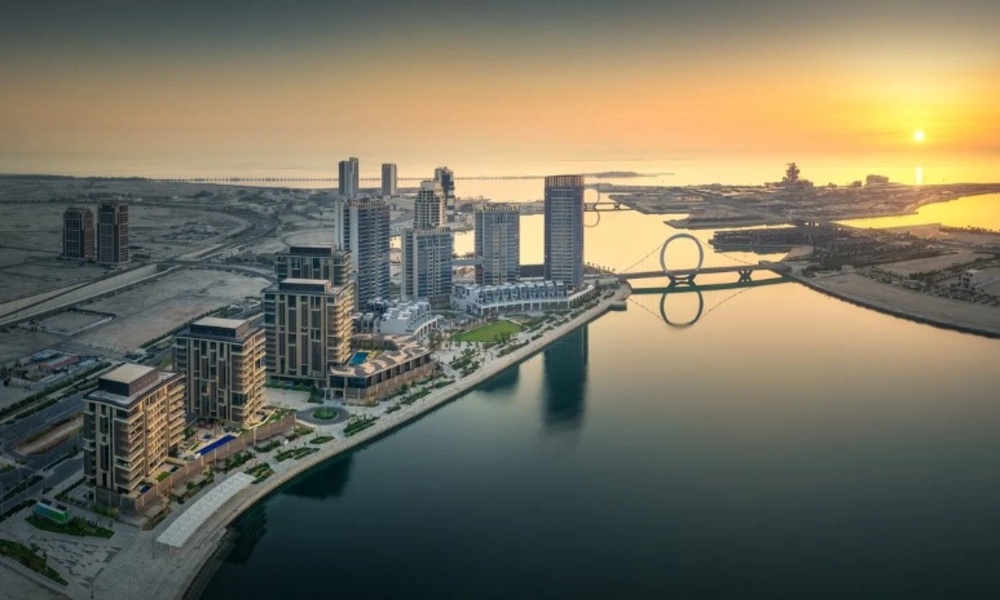
Dubai’s record breaking transaction volumes and the scale of Saudi Arabia’s Vision 2030 pipeline are often cited as indicators of growth. But the more important shift lies beneath the headlines: hospitality is no longer a sector. It is infrastructure, and infrastructure leaders are joining with global hospitality leaders to develop the most innovative, sustainable, and prestigious destinations around the world.

This distinction matters because it is changing how capital is deployed, how projects are structured, and ultimately how value is created across the region.

From assets to ecosystems

Historically, hotels were evaluated as individual assets, dependent on location, operator strength, and market cycles. Today, across the GCC, hospitality is increasingly the anchor of mixed-use, master-planned destinations.

In Saudi Arabia and the UAE, branded hotels and residences are no longer endpoints; they are catalysts. They accelerate absorption, establish pricing benchmarks, and signal quality to international investors. More importantly, they help transform large-scale developments into investable propositions.

This is particularly evident in projects aligned with national strategies, where hospitality is used deliberately to activate entire districts. The convergence of long-term policy frameworks with private capital is creating something new: coordinated, multi-asset investment platforms rather than fragmented real estate plays.

For investors, this reduces risk, but it also raises the bar. Success now depends on understanding of how hospitality interacts with infrastructure, residential demand, mobility, and public realm design as part of a single system.
The rise of the delivery economy

As project ambition increases, so does delivery complexity. The Middle East is not just building more; it is building at a scale and speed that leaves little margin for error. This is where a second structural shift is emerging: the growing importance of delivery certainty as an investment driver.

Capital is no longer attracted solely by vision. It is increasingly underwritten by confidence in execution, governance, programme management, and the ability to deliver on time and on budget across multi-billion-dollar developments.

In this context, delivery partners are becoming strategic actors in the investment ecosystem. Their role is no longer limited to oversight; it extends to de-risking entire portfolios.

Integrated delivery models, where planning, design, engineering, sustainability, and operations are aligned from the outset, are proving critical. They enable developers and investors to move from concept to operation with far greater predictability, particularly in hospitality where operational performance begins on day one.

ESG as a value driver, not a constraint

At the same time, ESG considerations are moving from compliance frameworks to core investment criteria.

In a region historically defined by rapid development, the conversation has shifted toward long-term performance: energy efficiency, water use, livability, and operational resilience. This is not simply about meeting global standards; it is about protecting asset value over decades.

Projects such as King Abdullah Financial District (KAFD) in Riyadh illustrate this evolution. Here, sustainability is embedded at the district level, integrating mobility, density, and environmental performance into a coherent urban model. Hospitality within these environments benefits directly from that ecosystem, enhancing both guest experience and asset longevity.

The implication for investors is clear: ESG is no longer a cost. It is a pricing mechanism.

Assets that fail to meet these expectations risk obsolescence, while those that integrate sustainability from the outset are commanding stronger long-term positioning.

Megaprojects and the repricing of risk

Government-backed megaprojects remain central to the region’s growth story, but their role is also evolving.

Rather than simply creating supply, they are reshaping market dynamics, establishing new destinations, redistributing demand, and redefining what constitutes prime real estate.

At the same time, they introduce new considerations for investors. Scale brings opportunity, but also exposure: to construction capacity constraints, supply chain pressures, and shifting regulatory frameworks.

Public-private partnerships (PPP) are playing a key role in balancing this equation. By aligning public ambition with private sector discipline, PPP structures are helping to unlock capital while maintaining accountability in delivery.

However, the most successful projects are those that go further, embedding flexibility into their design and phasing strategies to respond to market shifts and geopolitical volatility.

A once-in-a-generation window

The Middle East is in the midst of a once-in-a-generation build cycle, underpinned by strong demographics, rising tourism demand, and ambitious national transformation agendas. But the opportunity is not uniform.

The strongest investment prospects are emerging where 3 factors align: clear government vision, integrated urban planning, and credible delivery frameworks. Where these conditions exist, hospitality-led development is creating sustained value, not just for individual assets, but for entire cities.

For investors, the message is straightforward: this is no longer a market where success is defined by identifying the right asset. It is about understanding the system in which that asset operates.

Looking ahead

If the past decade was about growth, the next will be about performance.

The projects that succeed will not be those that simply open on time, but those that operate effectively from day one and remain resilient over their lifecycle. That requires a shift in mindset, from building assets to delivering outcomes.

In the Middle East today, hospitality sits at the centre of that transformation. Not as a sector, but as a strategic tool for economic diversification, urban development, and global investment. And for those able to navigate this complexity, the opportunity is as significant as anywhere in the world.

The post Hospitality as infrastructure: The new investment logic shaping the Middle East appeared first on Middle East Construction News.


Source: MEConstructionNews


Deira-DM-Stormwater1_1000x600-1.jpg

April 17, 2026 mebim0

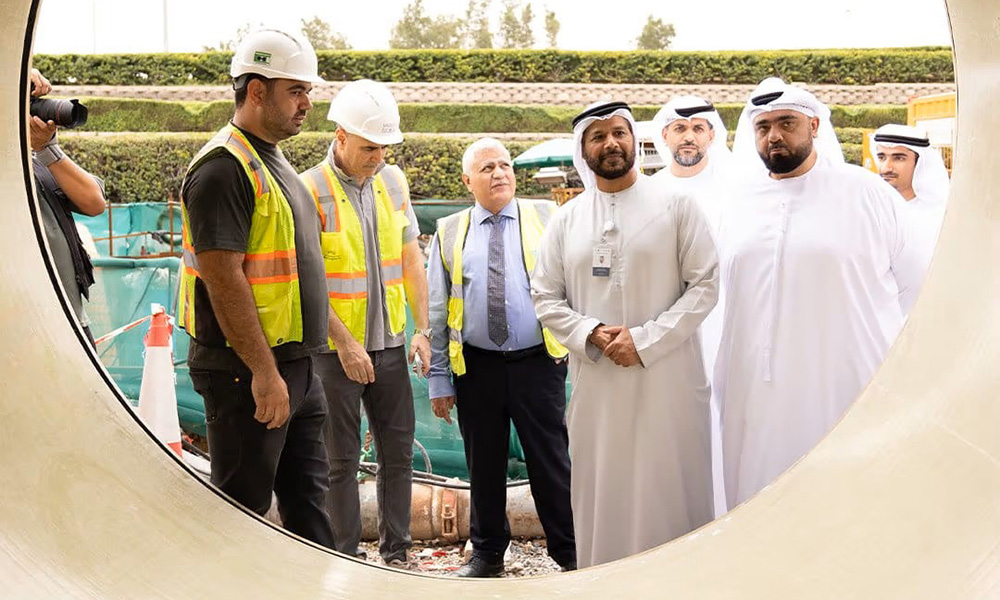
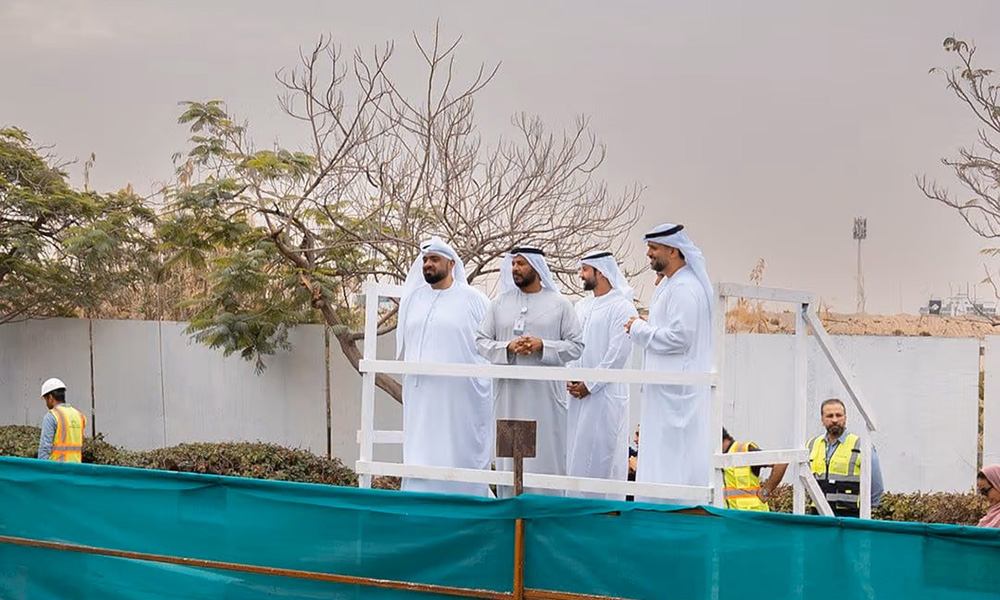
Dubai Municipality has announced that it has completed 36% of a new stormwater drainage system in Deira. The announcement was made following a site visit conducted by His Excellency Eng. Marwan Ahmed bin Ghalita, Director General of Dubai Municipality, who was accompanied by a number of executive, administrative, and engineering leaders.

The project is being developed at a total cost of $136mn and, once complete, will serve 13 vital areas spanning 4,700ha through the development of 60km of stormwater drainage networks. The first phase has reached 36% completion and remains on track for completion by the end of 2027, representing a qualitative addition that will enhance the efficiency of the emirate’s stormwater drainage system.

During the visit, His Excellency reviewed the scope and objectives of the project, as well as the latest progress across the areas it covers, including Al Qusais 1 and 2, Oud Al Muteena, Mizhar 3, Al Twar 1 and 3, Muhaisnah 4, Al Nahda 2, Al Qusais Industrial Area 1, Al Garhoud, Casablanca Street, Dubai Airport area, and Al Rashidiya.

All works are being implemented using advanced engineering techniques that ensure efficient delivery, maintain residents’ comfort, and support the continuity of business and commercial activities, said a statement from Dubai Municipality.

As part of the first of 3 main phases, 22km of drainage networks have been implemented and developed, with pipe diameters reaching up to 2.5m. In addition, a new pumping station has been constructed near Dubai Creek with a capacity of up to 8,000 litres per second, further strengthening the efficiency and effectiveness of the stormwater system in the area.

“Dubai Municipality continues to implement a package of projects under the Tasreef Programme to develop the emirate’s stormwater drainage network, which represents a cornerstone of our efforts to enhance the efficiency of strategic infrastructure. These projects aim to make infrastructure more sustainable, advanced, and adaptable to future climate variables through innovative and proactive engineering solutions that reflect Dubai’s approach to building resilient cities of the future. We remain committed to making Dubai a leading, future-ready city with a high quality of life across every project we deliver, in line with global standards that ensure the safety of residents and visitors, enhance their wellbeing, and support business growth within the best city to live and work in the world,” said bin Ghalita.

Eng. Adel Mohammed Al Marzouqi, CEO of the Waste and Sewerage Agency at Dubai Municipality added, “Through the stormwater drainage system development project in Deira and the surrounding areas, we are focused on enhancing the operational efficiency of drainage networks by implementing flexible engineering solutions in line with the latest global standards and best practices. These efforts increase capacity, reduce the risks of water accumulation, and enhance the efficiency and sustainability of infrastructure, while also improving the quality of services provided to residents. This supports sustainable development pathways and ensures the continuity of business and commercial activities in one of Dubai’s most vital areas.”

The project is said to be one of the most significant initiatives being implemented under the first phase of the Tasreef Programme to develop Dubai’s stormwater drainage network. The programme is the largest of its kind in the region to consolidate stormwater into a unified system characterised by high efficiency and flexibility, with a total cost of over $8.1bn. It aims to enhance infrastructure capacity by 700%, reduce the costs associated with station construction, operations, and maintenance by 20%, and extend the lifespan of the network, reinforcing Dubai’s leadership among the world’s most advanced and resilient cities in terms of infrastructure.

Dubai Municipality said that it continues to manage stormwater and sewerage networks through an integrated planning and operational approach aligned with the latest global standards and practices in smart city management. It added that it is continuing its efforts to develop a resilient stormwater drainage infrastructure under the Tasreef Programme through innovative engineering solutions and smart technologies that enhance the management of stormwater and surface water flows, safeguard residents and property, and support a sustainable and advanced urban environment aligned with the emirate’s urban development plans.

The post Dubai Municipality completes 36% of stormwater drainage system in Deira appeared first on Middle East Construction News.


Source: MEConstructionNews


Grovy-1-1.jpg

April 17, 2026 mebim0

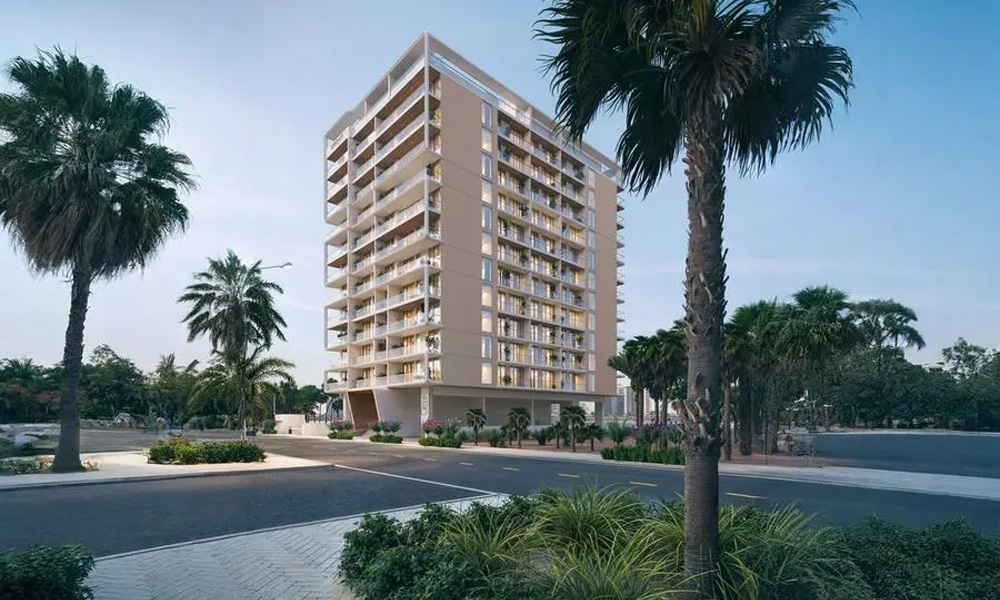
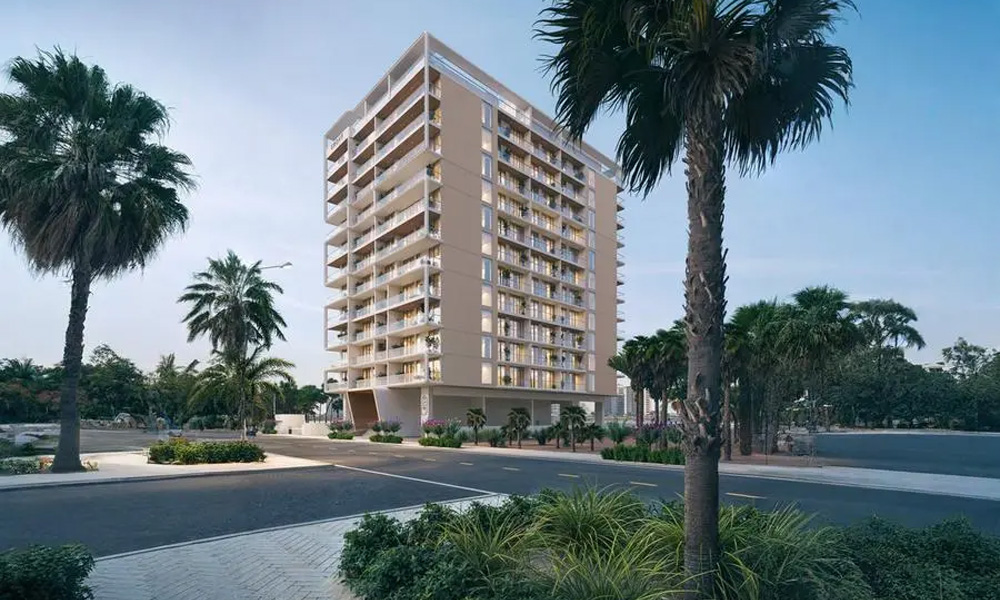
Grovy Developers has announced that its residential project, RIVO by Grovy, is progressing steadily in the Dubai Land Residential Complex (DLRC). Al Ishrak Contracting Company has been appointed as the main contractor for the project, which is set to commence construction this month; the design-focused development is said to feature 133 units.

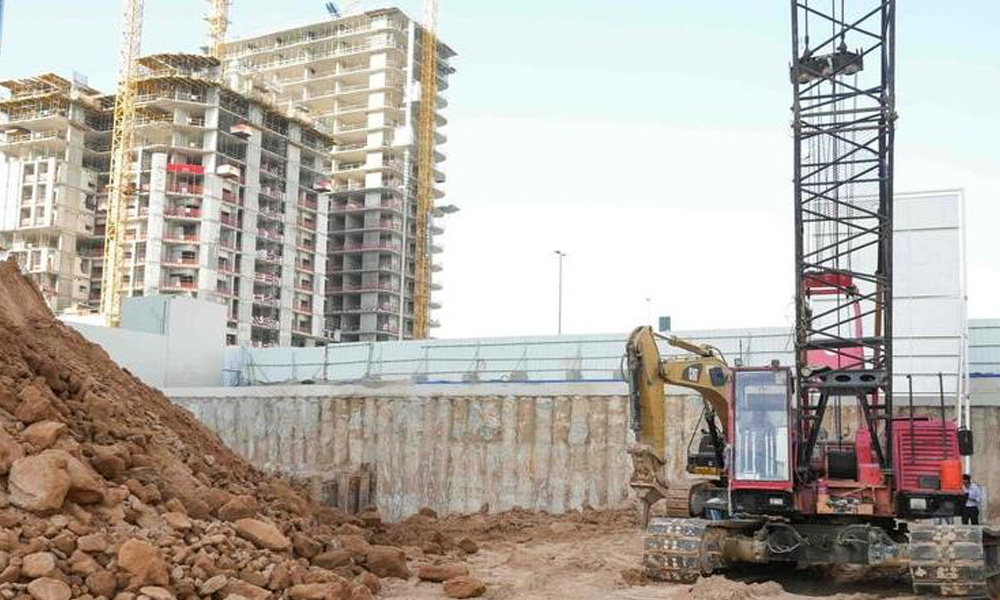
Construction at RIVO is progressing on schedule, following the groundbreaking ceremony held in November 2025. Enabling works are nearing completion, with piling and shoring works now in their final stages. The project is poised to transition into the next construction phase, aligning with its commitment to handover in Q4 2027, the developer said.

Abhishek Jalan, CEO of Grovy Developers said, “We are making steady progress every day towards our milestones for RIVO. The appointment of our main contractor marks the next step in our delivery programme. Our focus has always been on timely delivery, and our progress with RIVO reflects the confidence and resilience that underpin Dubai.”

As part of the company’s ongoing commitment to delivery discipline, Grovy has expedited the procurement of essential materials for RIVO. This approach aims to ensure timely delivery and mitigate the risk of supply chain bottlenecks. To maintain construction activity on schedule, site supervision has been reinforced through weekly coordination meetings and real-time tracking of milestones.

Grovy said it has implemented construction management software across RIVO’s entire project lifecycle, reflecting the company’s commitment to proptech-led development.

The post Grovy Developers reports progress on RIVO with contractor mobilisation underway appeared first on Middle East Construction News.


Source: MEConstructionNews

burtville-1.jpg

April 17, 2026 mebim0

Burtville Developments has announced the launch of a new hotel-branded residential development on the Al Raha Beach waterfront, Abu Dhabi.

The project expands the company’s portfolio of branded residences developed in partnership with Bab Al Qasr Hotel and introduces a new benchmark in layout efficiency, finishing quality and branded living, said the Emirati developer in a statement.

The residential project comprises 3 architecturally distinct towers featuring 163 residences, including 19 waterfront townhouses, alongside a range of 2-5 bedroom apartments and sky villa units. All residences are fully furnished and designed to offer direct sea views, creating a cohesive waterfront lifestyle experience, it stated.

The project will be the first residential development in Abu Dhabi to feature Armani/Casa bathroom fittings across all units, complemented by fully furnished interiors by THE One, integrated smart home systems and a curated selection of global brands.

Finishes include natural Travertine marble flooring and refined wood detailing, reflecting a high standard of craftsmanship and material selection, the developer said.

There will be 7 premium retail and dining outlets located at ground level. Only 18% of the site is dedicated to building footprint, while 82% is allocated to landscaped areas and resort-style amenities designed to enhance outdoor living and community experience.

Separately, Burtville Developments reported steady construction progress across nine projects in Abu Dhabi. Completion at Ville 11 in Masdar City has reached 97%, while Ville 12 stands at 39%. Bab Al Qasr Resort Residence 18 has reached 38%, Bab Al Qasr Resort Residence 19 stands at 36%, and Bab Al Qasr Garden Residence 66 has reached 12%.

In Yas Bay, progress at Bab Al Qasr Residence 25 has reached 36%, and Bab Al Qasr Residence 31 stands at 38%, while Bab Al Qasr Canal View 22 at Al Raha Beach has reached 17%.

Burtville Developments said construction has also commenced at Bab Al Qasr Royal Residence 28 on Reem Island. The company noted that stable supply chains and material availability continue to support uninterrupted execution.

The post Burtville unveils hotel-branded residences in Abu Dhabi appeared first on Middle East Construction News.


Source: MEConstructionNews

Abu-Dhabi-1_1000x600-1.jpg

April 17, 2026 mebim0

Abu Dhabi’s real estate sector witnessed solid growth in the first quarter with its total transaction value surging to hit US $18bn representing a 160.7% increase across 13,518 deals compared to US $6.8bn from 6,896 transactions in the same period of 2025, according to the Abu Dhabi Real Estate Centre (ADREC), the regulator of the emirate’s real estate sector.

Sales and purchases totalled US $13.8bn through 8,940 transactions, reflecting a 228.6% increase in value and a 134% rise in volume compared to the first quarter of 2025. Mortgage transactions also reached US $4bn  through 4,578 transactions, representing a 53.4% increase in value and a 48.8 % rise in volume YoY.

Hudayriyat Island was the leading area for real estate transactions, recording deals amounting to approximately US $3.3bn. It was followed by Reem Island, with US $2.6bn, and Saadiyat Island, with US $2.4bn, while Yas Island recorded activity exceeding US $1.5bn in transactions.

Rashed Al Omaira, Director General of ADREC said, “This quarter’s performance is a clear reflection of the confidence Abu Dhabi continues to earn from investors both locally and internationally. Reaching a record level of activity is not only a sign of demand, it signals a market that is becoming more disciplined, with a clear focus on long-term investment.”

He added, “Our role as ADREC is to ensure this growth is supported through consistent oversight and a regulatory framework that upholds trust and accountability across the sector. This is what gives Abu Dhabi its strength. It is not about short-term momentum, but a market built on strong fundamentals, positioning it as a reliable investment destination.”

Market indicators continue to show strong and sustained demand across Abu Dhabi’s real estate sector, with leasing activity maintaining growth into March. The repeat lease price index recorded a 16% annual increase compared to March 2025, underscoring continued demand from end users and investors.

While demand continues to outpace supply, the market is supported by a growing development pipeline with 16 new real estate projects registered during the quarter, a 60% increase compared to the same period last year. Residential supply in the Abu Dhabi region is projected to increase by 10,272 units in 2026, rising from 314,976 to 325,248, representing annual growth of 3.3%. Supply is projected to grow further in 2027, reaching 333,564 units. This reflects a market that continues to expand on solid foundations.

The report highlighted exceptional growth in Foreign Direct Investment (FDI), with total investments by individuals reaching US $2.3bn, marking a 423% increase compared to Q1 2025 and equivalent to the total foreign direct investment recorded during 2025. Investors from 99 nationalities contributed to this performance, up from 68 nationalities during the same period last year.

Foreign investment activity remained strong within investment zones, accounting for approximately 84% of total investment value, surpassing US $9.9bn out of a total US $11.9bn. This represents a 242% increase compared to the same period last year, with key contributing markets including the United Kingdom, India, the Russian Federation, China, Jordan, France, and Egypt.

The post Real Estate transactions in Abu Dhabi hit US $18bn in Q1 appeared first on Middle East Construction News.


Source: MEConstructionNews

Solar-1.jpg

April 16, 2026 mebim0

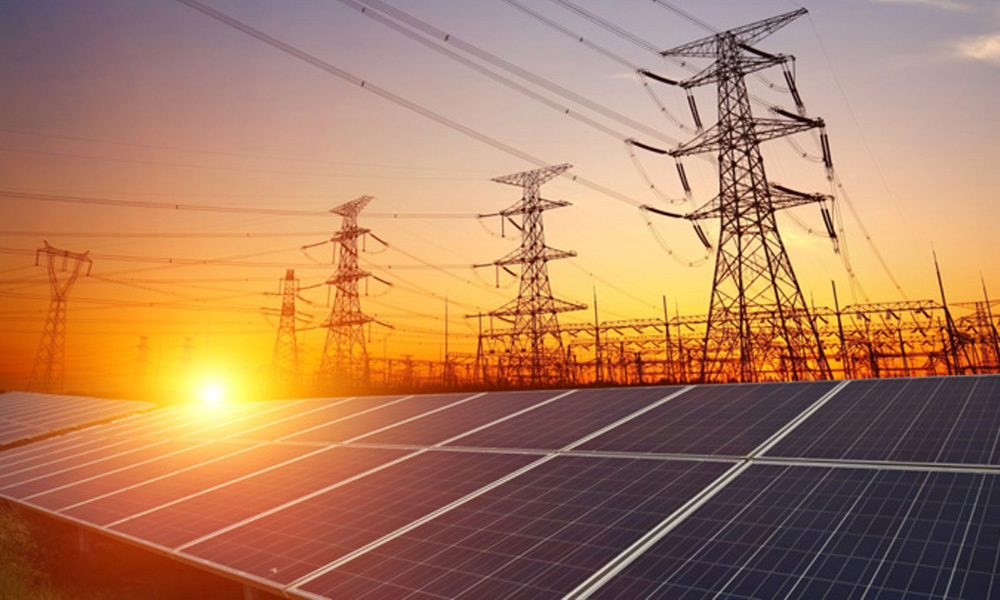
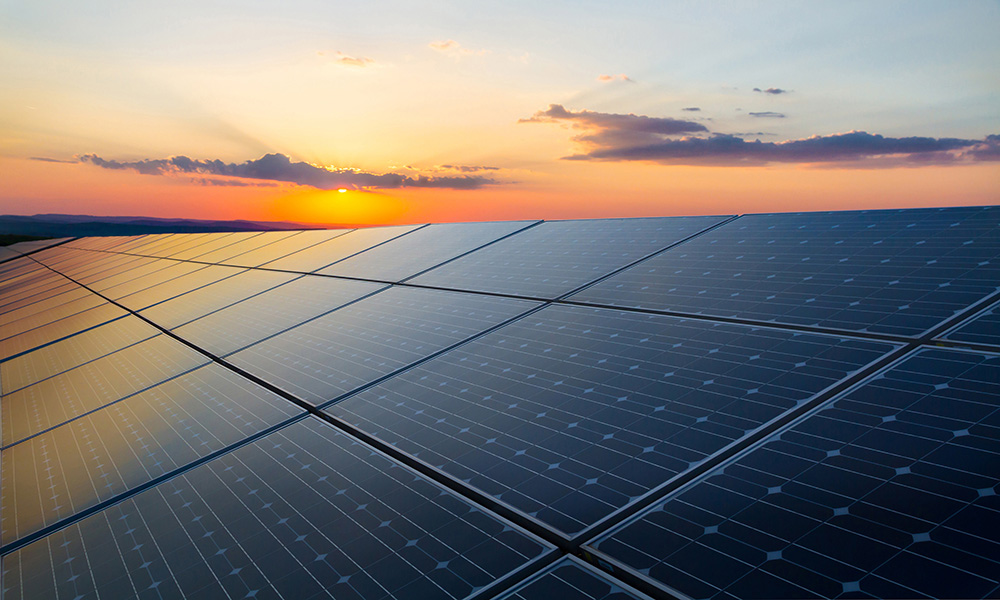
The Ministry of Energy and Infrastructure (MoEI) has announced the launch of an innovative strategic project aimed at implementing microgrid systems. This project represents a significant advancement in the UAE’s commitment to developing a smart, resilient, and adaptable energy ecosystem.

The initiative aims to bolster energy security, promote sustainability, and enhance efficiency, aligning with the objectives of the ‘We the UAE 2031’ vision. As reported by Wam, this vision emphasises the development of advanced and future-ready infrastructure.

The outcomes underscore the fact that investing in smart energy solutions is no longer a mere option but a strategic imperative to bolster energy security, reduce costs and emissions, and improve resource efficiency.

The project  was first developed and implemented in 2025 at the Ministry headquarters in Sharjah. This proactive vision aims to enhance national preparedness for electricity outages during emergencies and crises. The project employs an integrated operational model that synergises clean energy generation, energy storage, and cutting-edge digital energy management solutions.

Eng Sharif Al Olama, Undersecretary, Energy and Petroleum Affairs said, “This project reflects a transformative shift in building-level energy management – from a conventional model dependent on the central grid to a smart, decentralised model with independent operational capability. It enhances the reliability of electricity supply and the continuity of vital services, while also improving resource efficiency and reducing costs and emissions.”

“It also increased the contribution of solar energy to 30% of total electrical load. Importantly, the project achieved 100% operational resilience in the event of sudden power outages, ensuring uninterrupted services. The microgrid project represents a qualitative leap in the way building energy systems are planned and operated, and reflects the UAE’s direction towards building a smarter, more resilient, and more sustainable energy ecosystem.”

“We are not only enhancing operational efficiency but also establishing an integrated national model that ensures the continuity of vital services under all conditions and strengthens infrastructure readiness to address future challenges.

Al Olama said the next phase would focus on scaling up the initiative and broadening its application nationwide, alongside the development of a national technical and regulatory guide to establish the necessary governance frameworks and technical standards for Microgrid deployment. This would help unify efforts and strengthen integration between federal and local entities, as well as the private sector, he added.

The Ministry is currently working, in cooperation with its partners across the government and private sectors, to expand the implementation of this model across the UAE, thereby accelerating the transition towards resilient, decentralised energy networks that support both competitiveness and sustainability.

The post UAE launches smart microgrid initiative to power government infrastructure appeared first on Middle East Construction News.


Source: MEConstructionNews