
Middle-East-Map_1000x600-1.jpg

August 4, 2023 mebim0

The Middle East is leading the charge in driving growth and adoption of the WELL Building Standard (WELL) globally, with a 24-fold increase in adoption over the last 19 months, a feat recently confirmed by the International WELL Building Institute (IWBI). As the global authority for driving market transformation toward healthy buildings, organisations and communities, IWBI is the leading force behind the WELL movement.

According to IWBI, WELL has been adopted throughout the Middle East by projects in sectors ranging from regional public sector, educational and governmental entities to real estate developers, financial institutions and management companies.

To date, more than 500m sqft of real estate  projects are enrolled in WELL programmes across 16 countries, including UAE, Afghanistan, Bahrain, Iran, Iraq, Israel, Jordan, Kuwait, Lebanon, Oman, Palestine, Qatar, Saudi Arabia, Syria, Turkey and Yemen – representing a doubling in the number of countries represented.

“Ever since the WELL Standard first took hold in the Middle East, we have seen incredible increases in demand year-over-year for WELL’s evidence-based strategies that support the physical and mental health of organisations’ most valuable asset – people. The commitments made by companies and public sector organisations across the region to prioritise the health, safety and well-being of their people is an inspiration to us all and demonstrates outstanding leadership, while proving that investments in health strategies can spark enhanced performance and increased financial returns,” said IWBI Founder Paul Scialla.
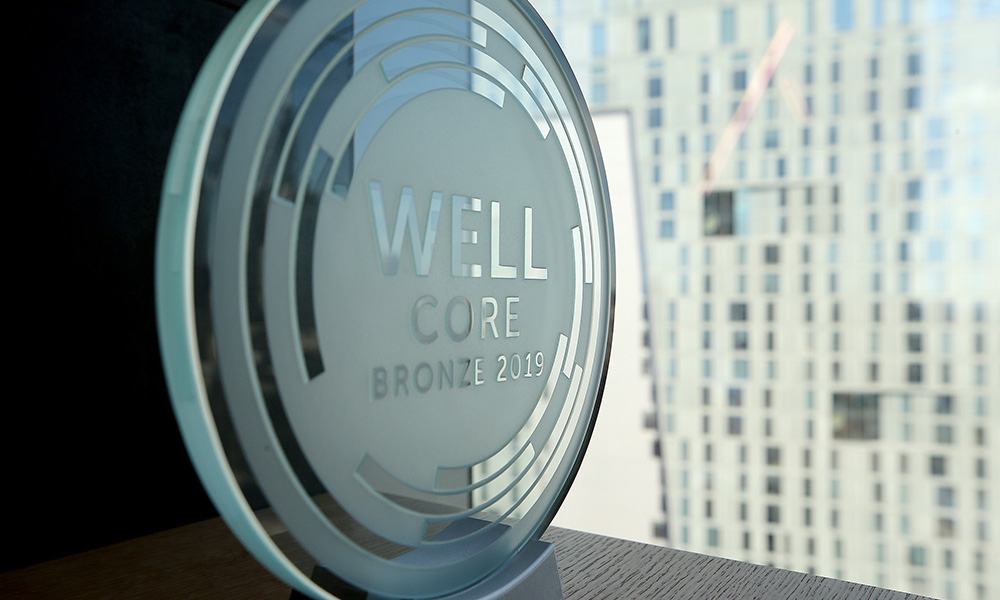
A WELL Core award sits on display on the 17th floor of the FMC Tower at Cira Centre South in Philadelphia, Pa. on February 17, 2021. The building has a WELL “healthy” building certification, which rates buildings on air, water, light, movement, thermal comfort, sounds, and materials.

The recent uptake in the Middle East has contributed to overall WELL adoption, which now stands at more than 42,000 projects, encompassing nearly 4.8b sqft of real estate in 127 countries.

In particular, the WELL Health-Safety Rating, a framework for driving resilience into the centre of business policies and operational plans through facility operations and management, has sparked considerable demand across the region – a demand being led by the UAE. For example, in a public sector-leading push, the UAE Prime Minister’s Office has achieved the WELL Health-Safety Rating for its Dubai office, according to IWBI.

This follows the office’s achievement of WELL Certification at the Platinum level, the first in the region to be certified through IWBI’s WELL v2 pilot and the first WELL Certified government ministry office in the world.

The post Middle East shows 24-fold increase in WELL adoption appeared first on Middle East Construction News.


Source: MEConstructionNews

Leos-Development1_1000x600-1.jpg

August 3, 2023 mebim0

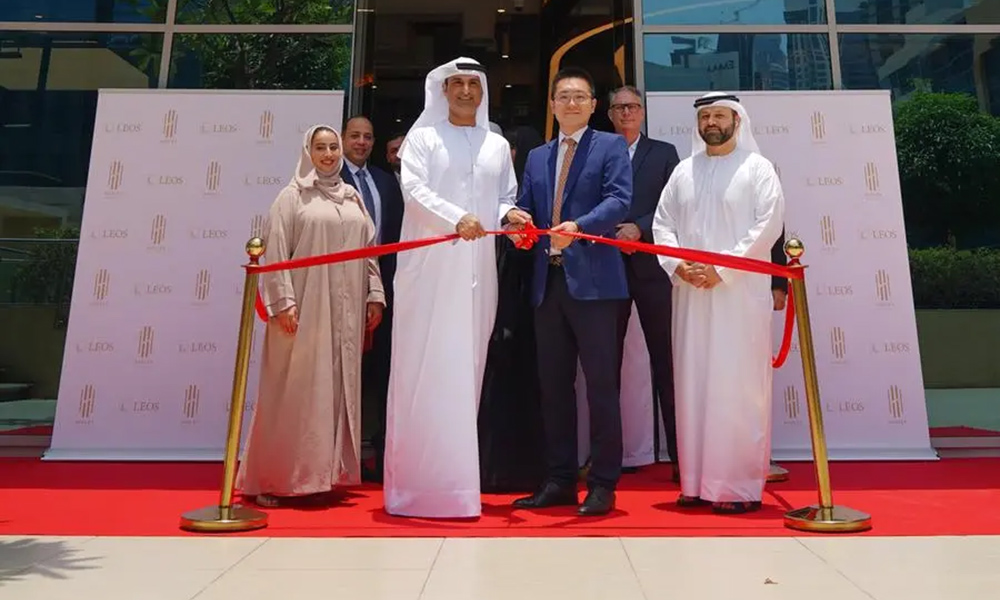
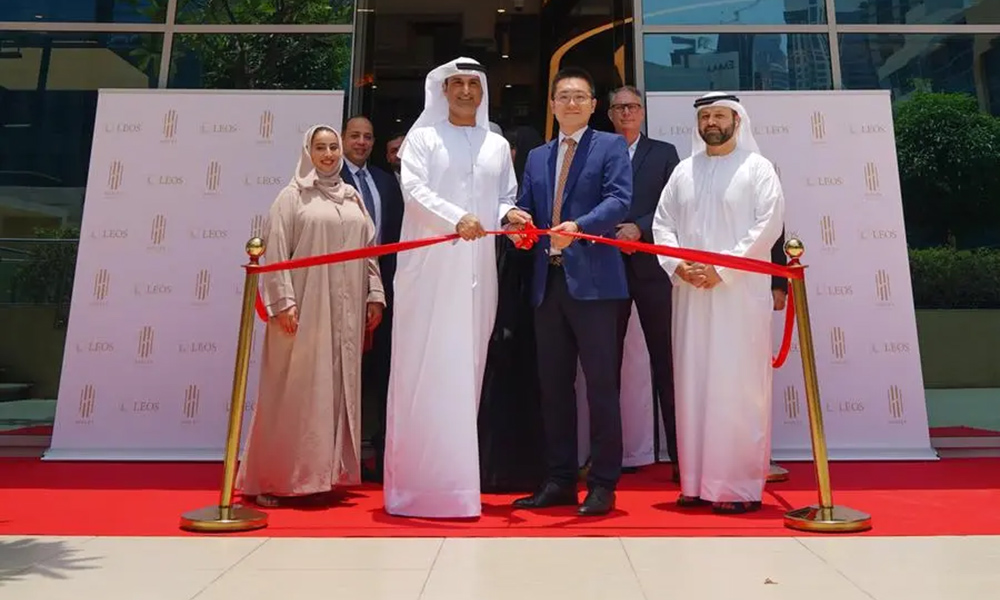
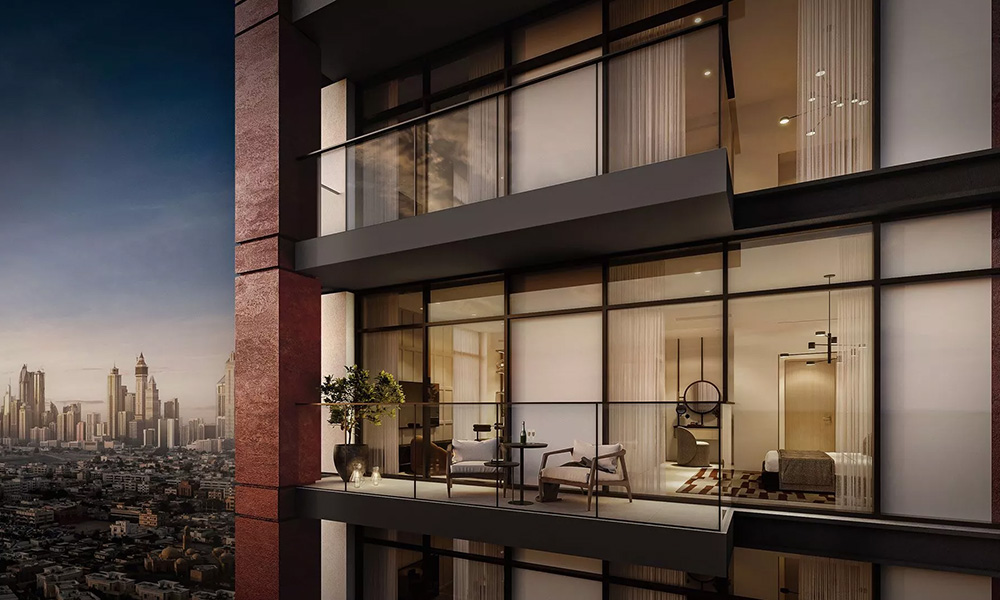
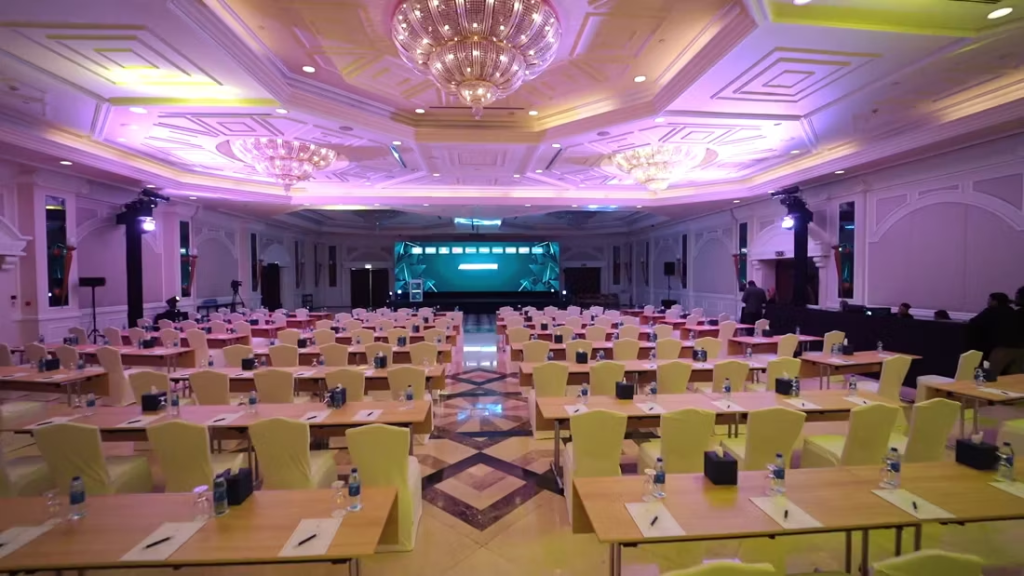
Leos Developments has unveiled a luxurious 15,000sqft show apartment as part of its new Experience Centre, located in Business Bay, Dubai. Other key highlights of the new Experience Centre include a 3D model gallery and grand amphitheatre for hosting events, providing an immersive experience for visitors.

Leos believes that its brand epitomises five core pillars – quality, craftsmanship, materiality, community, and detail, which are intricately woven into their projects, elevating the standards of modern living and fostering trust among clientele.

The Experience Centre also serves as a community hub for social and learning activities and offers valuable information about Leos’ current and upcoming developments.

The launch was attended by senior officials of Leos and the Dubai Land Department (DLD), and is said to reflect the strong collaboration and strategic partnership between the two entities and the ongoing relationship between private and public sectors.

Leos Founding Director, Rui Liu said, “We are delighted with the support we have received from DLD since launching our first development in Dubai. Our goal is to develop a strong, long-lasting strategic partnership that will lead to monumental milestones in the future.”

Highlighting the significance of the event, senior DLD official Majid Saqr Al Marri remarked, “We are thrilled to have been part of Leos’ Experience Centre inauguration. This marks the beginning of a fruitful collaboration as we work together on iconic projects that will shape the future skyline of the city.”

Leos’ Senior Business Director (Middle East & Asia), Mark Gaskin, shared his excitement about the new Experience Centre, emphasising its key focus on the needs of clients and the community.

“We aimed to create a space where clients can comfortably get to know us better, fostering a deeper connection with the community and the lovely city of Dubai. Additionally, we envisioned the centre as a gathering place for both clients and the community, contributing to the vibrant fabric of the community and creating lasting memories,” he concluded.

The post Leos Developments launches Experience Centre appeared first on Middle East Construction News.


Source: MEConstructionNews

Green-Hydrogen_1000x600-1.jpg

August 3, 2023 mebim0

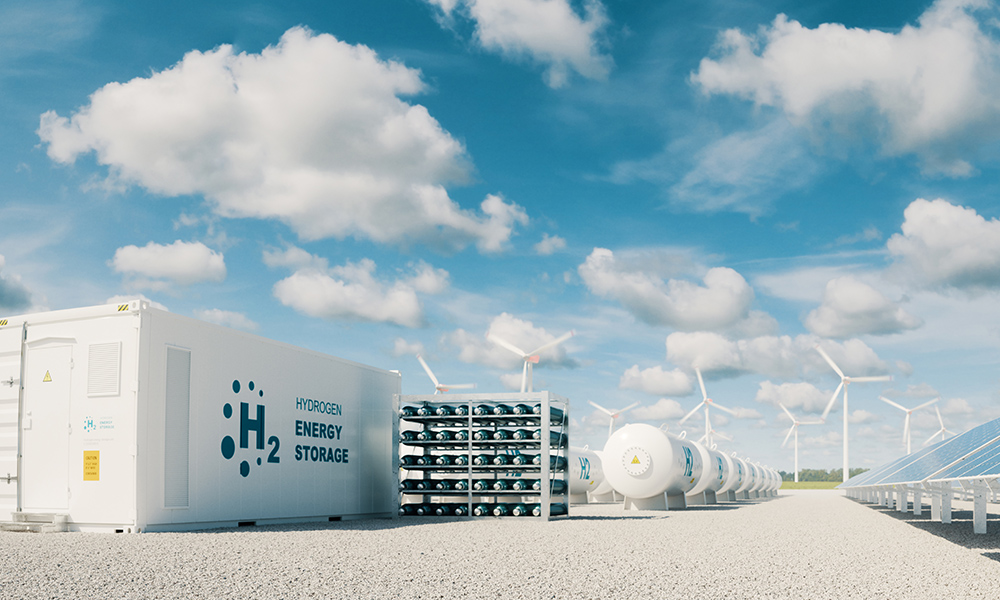
GHD and Fraunhofer Cluster of Excellence Integrated Energy Systems CINES have partnered with the UAE Ministry of Energy and Infrastructure (MOEI) to deliver a comprehensive National Hydrogen Strategy.

The project was commissioned by the government of the UAE; the strategy is said to be built around the UAE’s vision to become a leading global producer of low-carbon hydrogen by its 60th anniversary in 2031.

The strategy sets a goal of leveraging the country’s abundant natural gas reserves, high solar radiance, and favourable position as a global energy and business hub. With the added advantage of substantial financial resources and a high credit rating, the UAE is well-positioned to become a global leader in low-carbon hydrogen production. The strategy is a fact-based analysis that evaluates the opportunities and challenges associated with establishing a hydrogen-based economy in the UAE, and has been endorsed by the MOEI.

A partnership between GHD and Fraunhofer was formed to ensure the successful delivery of this project. In addition to liaising with stakeholders to co-design the strategic framework, GHD gathered stakeholder insights including ongoing projects, planned initiatives, enablers, and worked with MOEI to develop a roadmap for establishing the UAE hydrogen economy, a statement from GHD noted.

“Hydrogen has the potential to play an important role in the UAE’s transition to a low-carbon economy. We are committed to implementing the National Hydrogen Strategy to unlock opportunities and benefits and achieve our net-zero target. Our goal is to establish the UAE as a leader in the global hydrogen market, create new economic opportunities and contribute to a more sustainable future for all,” explained His Excellency Eng Sharif Al Olama, MOEI’s Undersecretary for Energy and Petroleum Affairs.

The partnership is said to have also incorporated Fraunhofer’s technical parameters derived from its HYPAT – Hydrogen Potential Atlas project, along with extensive research from primary and secondary literature sources, to ensure the accuracy of the data on hydrogen production and domestic forecasted targets. The combined expertise and experience of GHD and Fraunhofer played a pivotal role in the successful delivery of their project and contributed to positioning the UAE as a frontrunner in hydrogen development and drive sustainable growth and advancements in the field, the statement added.

The strategy sets the stage for the nation’s ambitious hydrogen goals, with the next milestone being the development of a Low Carbon Hydrogen policy.

The National Hydrogen Strategy presents several key highlights, which include:

  • Exponential hydrogen production growth: The strategy targets a production of 1.4m tonnes per annum of low-emission hydrogen by 2031, out of which 71.4% will be green hydrogen. By 2050, the country aims to increase production tenfold to reach 15m tonnes per annum.
  • Green job creation: The strategy sets a target of creating thousands of new green jobs by 2031. This initiative not only drives economic growth but also contributes to developing a skilled workforce in the renewable energy sector.
  • Hydrogen infrastructure expansion: The UAE plans to establish two hydrogen oases (hubs) by 2031 to support the hydrogen economy. Additionally, a hydrogen centre for research and development will be set up by 2031, with the vision of transforming it into a globally recognised innovation centre for hydrogen by 2050.

Thomas Evans, Executive Advisor at GHD added, “Building a successful hydrogen economy requires multiple complex enablers to come together, including infrastructure, a skilled workforce, and a clear and consistent policy environment. GHD is committed to unlocking sustainable pathways to net-zero, and developing a hydrogen economy is a critical part of the broader decarbonisation puzzle.”

Dr Jan Frederik Braun, Head of Hydrogen Cooperation (MENA Region) at Fraunhofer CINES concluded, “This hydrogen strategy, which has been developed together with all key hydrogen and energy stakeholders in the UAE considers all aspects of the hydrogen value chain: production, distribution and usage. The UAE’s opportunities to create value in the emerging global hydrogen market will lie in its ability to produce innovative and competitive hydrogen-based end products along the entire value chain. As Europe’s largest applied research organisation, Fraunhofer has the expertise and experience to develop and test hydrogen technologies for industrial partners in the UAE and bring them to market.”

The post GHD, Fraunhofer and UAE’s MOEI develop National Hydrogen Strategy appeared first on Middle East Construction News.


Source: MEConstructionNews

OERC-and-Jindal2_1000x600-1.jpg

August 3, 2023 mebim0

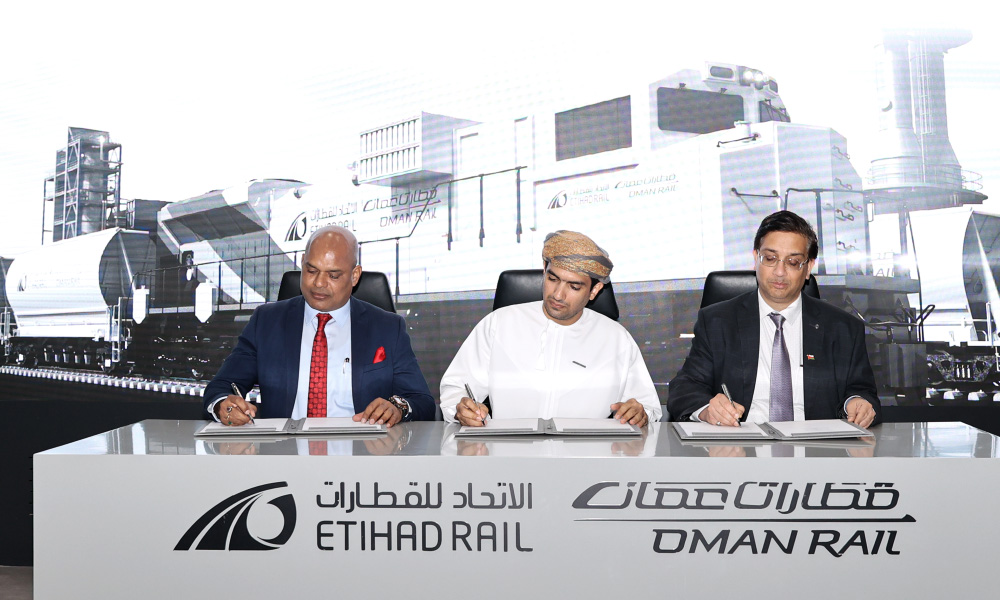
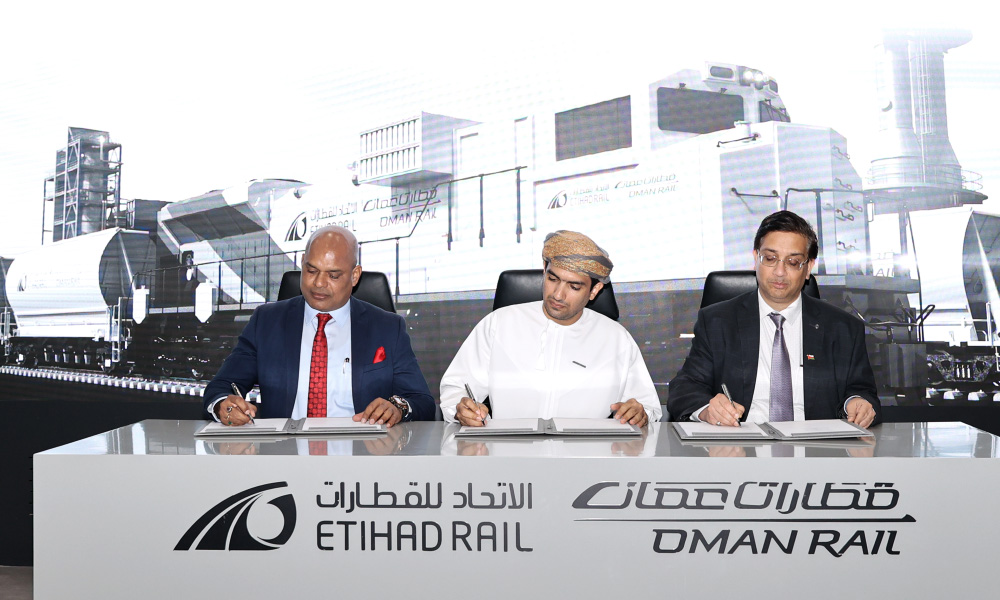
A Memorandum of Understanding (MoU) has been signed by Oman and Etihad Rail Company (OERC) with integrated steel producer Jindal Shadeed Iron & Steel (Jindal). The deal will see the establishment of a sustainable, end-to-end transport logistics solution between Jindal’s steel complex at Sohar Port and the United Arab Emirates (UAE), via the UAE-Oman Rail Network.

According to a statement, the deal is part of OERC’s (the developer and operator of the UAE-Oman Rail Network) commitment to providing efficient and cost-effective logistics solutions for major global players across different sectors.

The MoU will allow Jindal to annually transport up to four million tons of raw materials and finished products from its steel complex at Sohar Port to the UAE’s industrial markets. Under the terms of the agreement, OERC will leverage its state-of-the-art rail network to support Jindal in optimising operational integration through facilitated loading and unloading processes, while guaranteeing rolling stock and facilities’ requirements of iron ore and steel.

“Our partnership with Jindal Shadeed Group reinforces Oman and Etihad Rail Company’s commitment to improving logistics services to meet the future needs and expectations of our customers by providing comprehensive solutions and stimulating the growth of various industrial sectors within Oman and the UAE. Furthermore, the MoU will enable Jindal to enhance its supply chain efficiency, benefiting from the UAE-Oman Rail Network’s fast, cost-effective, and sustainable services,” said Mohammed bin Zahran Al Mahrouqi, Deputy CEO of OERC.

Through this collaboration, Jindal will not only streamline its transportation and logistics operations, but also further advance its sustainability objectives and strengthen its green value chain. OERC will ensure an environmentally friendly transportation and logistics solution through the Oman-UAE Rail Network, and thus, contribute to the reduction of CO2 emissions in Oman and the UAE, in line with their national goals of Net Zero carbon emissions by 2050, the statement noted.

Harsha Shetty, CEO of Jindal added, “This is an important milestone for our company as we look forward to further expanding the reach of our high-quality, industry-leading products in the region and beyond. Our ability to seamlessly transport nearly four million tons of raw materials will greatly help us in our operations, supporting our ambition to reduce our carbon footprint. We are very proud of our partnership with this national strategic project that will bring enormous economic and social returns to both the Sultanate of Oman and the UAE, whilst also emphasizing the region’s competitive advantage as a logistics hub.”

OERC has recently entered several commercial and investment partnerships with major international players in various industrial sectors to provide innovative logistics solutions and facilities, opening new corridors for economic cooperation, and unlocking promising opportunities for sustainable economic growth in Oman, the UAE, and the wider region, the statement concluded.

The post Oman & OERC ink logistics deal with Jindal Shadeed Iron & Steel appeared first on Middle East Construction News.


Source: MEConstructionNews

The-Red-Sea-Project-1.jpg

August 2, 2023 mebim0

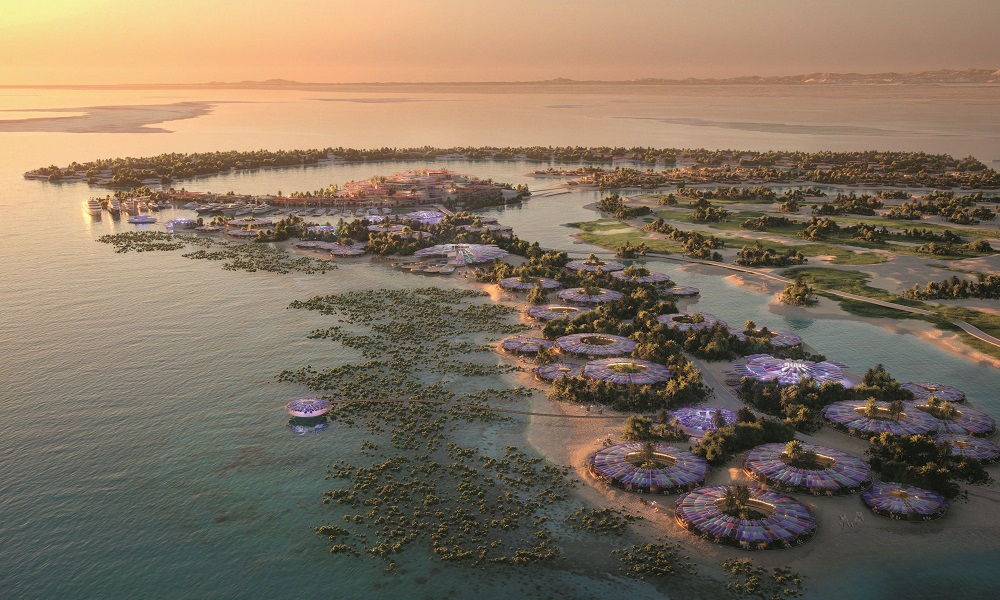
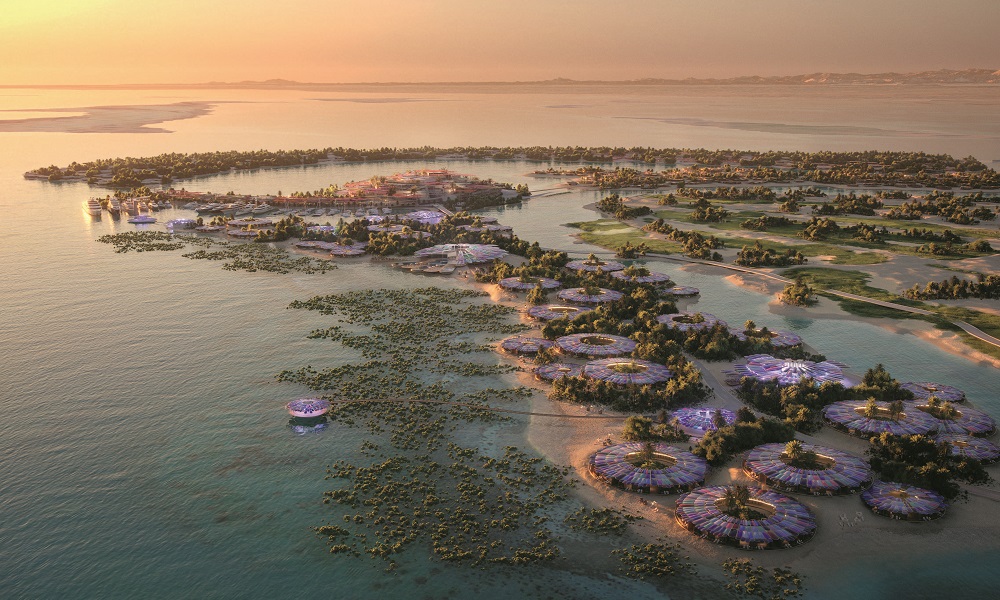
Significant progress has been made on phase one of The Red Sea Destination according to developer Red Sea Global (RSG). Releasing a comprehensive update on construction progress, the firm said that this month marks six years since project was first announced by His Royal Highness the Saudi Crown Prince Mohammad bin Salman as an international tourist destination as part of the Kingdom’s 2030 Vision.

Now, with The Red Sea’s first three hotels and phase one of the international airport on track to open later this year, its latest construction update reveals the remarkable progress achieved across the destination, including at a further 13 hotels and on the supporting infrastructure, the firm said in a statement.

“We stand at the brink of an extraordinary moment as we prepare to unveil The Red Sea destination to the world. In six years, we have made exceptional progress, creating exquisite resorts and best-in-class, sustainable infrastructure in a remote location, demonstrating innovation in line with our regenerative approach and commitment to responsible development,” said John Pagano, Group CEO at Red Sea Global.

He added, “While the anticipation builds for the opening of our first hotels and the initial phase of our solar powered airport, we are busy working on the rest of phase one. We are ready to deliver countless more extraordinary moments on our journey to positioning Saudi Arabia proudly on the world stage as a must-visit destination.”

Sharing an update on resort construction, RSG said that Desert Rock – a unique mountain resort being built into the rockface – is more than 50% complete overall. The developer notes it has fully excavated and formed the 10 rooms integrated into the mountainside, as well as all 195m of tunnelling. Major structural and infrastructure works are well advanced, including the construction of the wadi villas, guest hubs, back of house, and other structures, the developer added.

Work is ongoing on all 11 resorts and infrastructure across Shura Island. Over 100 construction contracts are in place, with a similar number out in the market for tender. RSG continues to maximise use of off-site manufacturing with precast structures progressing rapidly, bathroom pod deliveries underway, and the prefabricated timber structure on the Golf Clubhouse nearing completion. The developer is moving onto beach formation and beautification works which includes the creation of new mangrove habitats in the coming months, the statement explained.

Highlighting progress on Sheybarah Island, RSG pointed out it has installed all 38 stainless steel overwater villas. While the first overwater villa took nine hours to install, the developer perfected this process, so that it now requires less than two hours. The first beach villas have arrived at the island, one of which has successfully been installed. The developer is also making substantial progress on other front and back of house structures and infrastructure, including foundation work on the spa and two specialized restaurants, it stated.

Discussing infrastructure, RSG said that the Start-Up Distribution Centre and Start-Up Transportation Hub are being completed to provide operational logistic facilities ahead of the opening of the first hotels. Already, more than 150 trucks of materials and 2,000 people are transported to the various offshore projects each day. The Red Sea International Airport is progressing as planned and is on track to start receiving its first domestic flights later this year, the firm remarked.

Last week, RSG fully installed more than 760,000 photovoltaic panels, needed to power phase one of The Red Sea. One of its five solar farms is located near Six Senses Southern Dunes, The Red Sea, which will be the first hotel to open at The Red Sea in the coming months. The utilities at the resort are already being powered by the solar farm. There are now more than 25,000 personnel working at the destination, delivering at pace across The Red Sea, it added.

Upon full completion in 2030, the destination will comprise 50 resorts, offering up to 8,000 hotel rooms and more than 1,000 residential properties across 22 islands and six inland sites. The destination will also include luxury marinas, golf courses, entertainment, F&B, and leisure facilities, the statement concluded.

The post RSG announces significant progress on The Red Sea Destination appeared first on Middle East Construction News.


Source: MEConstructionNews