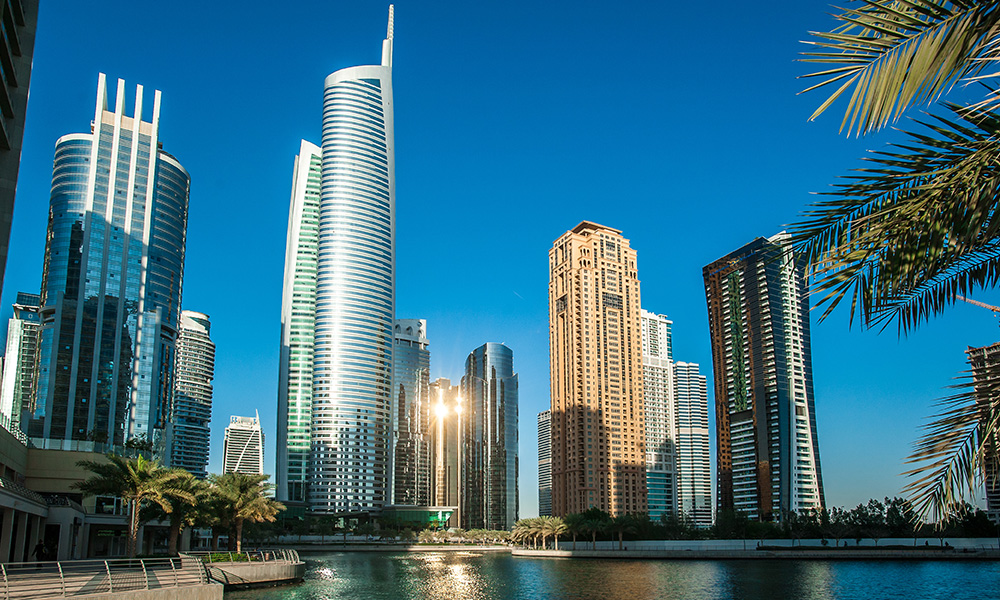
JLT-Lake_1000x600-1.jpg

August 23, 2023 mebim0

The Central Bank of the UAE’s public budget reached an all-time high of AED650bn (US $177bn) by the end of June 2023.

Its latest report shows that a monthly increment of 0.2% led the public budget to rise to AED649.42bn at the end of June, compared to AED648.12bn in the month of May, an increase of AED1.3bn within one month.

On an annual basis, the central bank’s public budget surged by 32.15%, equivalent to AED158bn, in contrast to some AED491.4bn in June last year.

This momentum extended into the current year with a 17.5% rise since the start of the year, compared to some AED552.5bn at the end of December 2022, an increment of AED97bn during the year’s first half.

Other key statistics included:

  • Investments held until maturity were earmarked at AED211.32bn, while deposits accounted for AED135.34bn
  • Loans and advances received an allocation of AED4.18bn, and other assets were assigned AED41.38bn
  • Conversely, on the liabilities and capital side, AED284.78bn was allocated for current and deposit accounts
  • Cash permits and Islamic deposit certificates were assigned some AED205.72 billion

The 2023 H1 figures represent the largest sums ever recorded, pro rata, by the nation’s Central Bank.

The post UAE Central Bank budget reaches record levels in H1 appeared first on Middle East Construction News.


Source: MEConstructionNews


KAFD-2-1.jpg

August 23, 2023 mebim0

Parsons says it has won a five-year contract with King Abdullah Financial District Development and Management Company (KAFD DMC) to lead the expansion of KAFD in “new, undeveloped land”.

KAFD features 1.6 million square meters of state-of-the-art office space, world-class facilities, and luxury residences. Described as the first vertical city solution in Saudi Arabia, it comprises a 5-asset class mixed use living district, “a key driver of Riyadh’s economic ambitions and the world’s largest LEED-certified mixed-use financial district”, said Parsons.

Over the course of the next half-decade, the firm said it will provide comprehensive project and construction management services for developing commercial, hospitality, residential, municipal, and mixed-use buildings and the associated infrastructure to support the high-rise development.

Skyscrapers stand in the King Abdullah financial district in Riyadh, Saudi Arabia.

Parsons said it is working with KAFD DMC to ensure all new buildings being constructed obtain LEED certification, including the first municipal fire station in the region to receive LEED Platinum certification. Further, Parsons is jointly engaged to manage the design and construction of water recovery and reuse facilities to supplement scarce resources for development.

Confirming that Parsons is beginning the work to develop KAFD as both a prime business and lifestyle destination in the heart of Riyadh, Pierre Santoni, president, Infrastructure, EMEA, Parsons, said the firm was proud to support the Saudi government in the diversification of the district.

‘‘As one of the largest real estate projects globally with a ground floor area of five million square meters, KAFD is a physical manifestation of Saudi Vision 2030,” he said: “The KAFD eco-system embodies the core values that underpin the Kingdom’s sovereign goals.”

‘While we are excited about the new construction and new buildings planned in KAFD, we remain steadfastly committed to reducing our carbon emissions,’ added Gautam Sashittal, the CEO of KAFD DMC. ‘To date, over 40 of our buildings – ranging from office towers to residential and landmark buildings—have received Silver and Gold LEED certifications. And we look forward to this next chapter with Parsons ensuring the sustainability of our built environment and its decarbonization.’

The post Parsons awarded five-year project and construction management contract to expand KAFD appeared first on Middle East Construction News.


Source: MEConstructionNews


DEWA_1000x600-1.jpg

August 22, 2023 mebim0

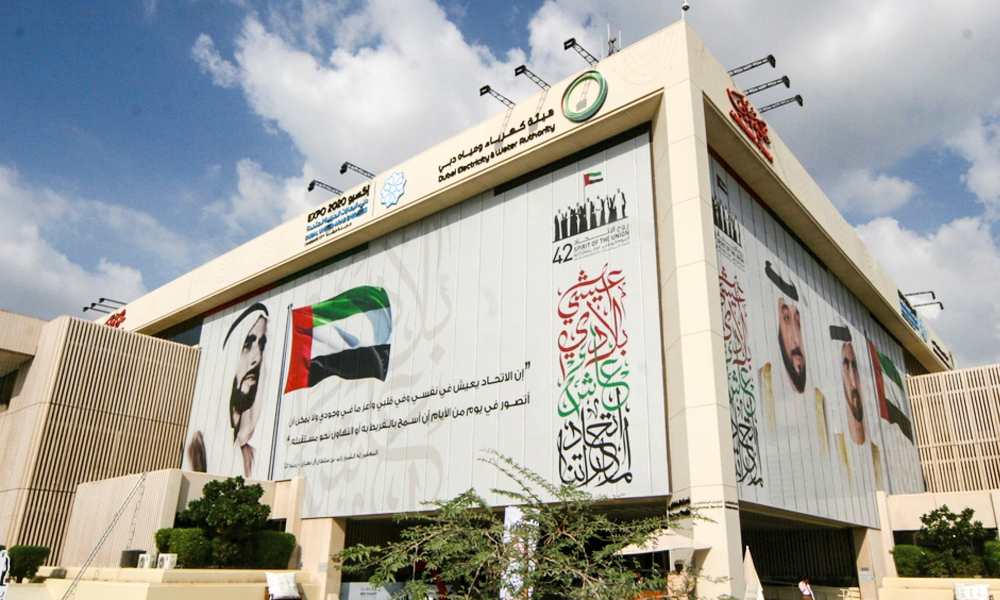
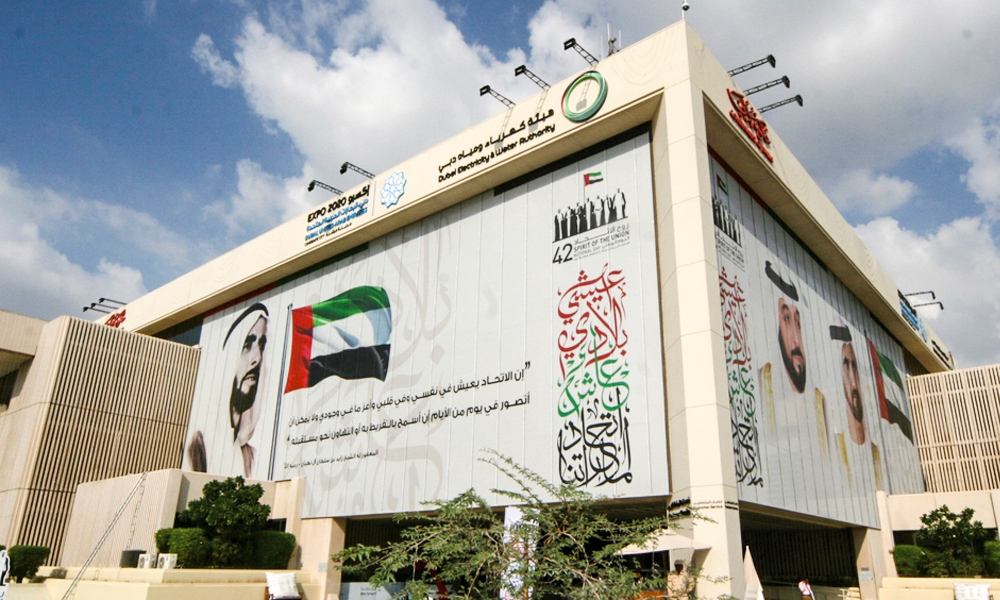
Dubai Electricity and Water Authority (DEWA) has announced its research and development centre has filed a new patent for a chemical liquid that supports energy storage systems and enhances their efficiency.

The novel liquid achieves high thermal and electrochemical stability. This achievement is an effective and safe solution for energy storage systems operations, notably lithium-ion batteries and fuel cells.

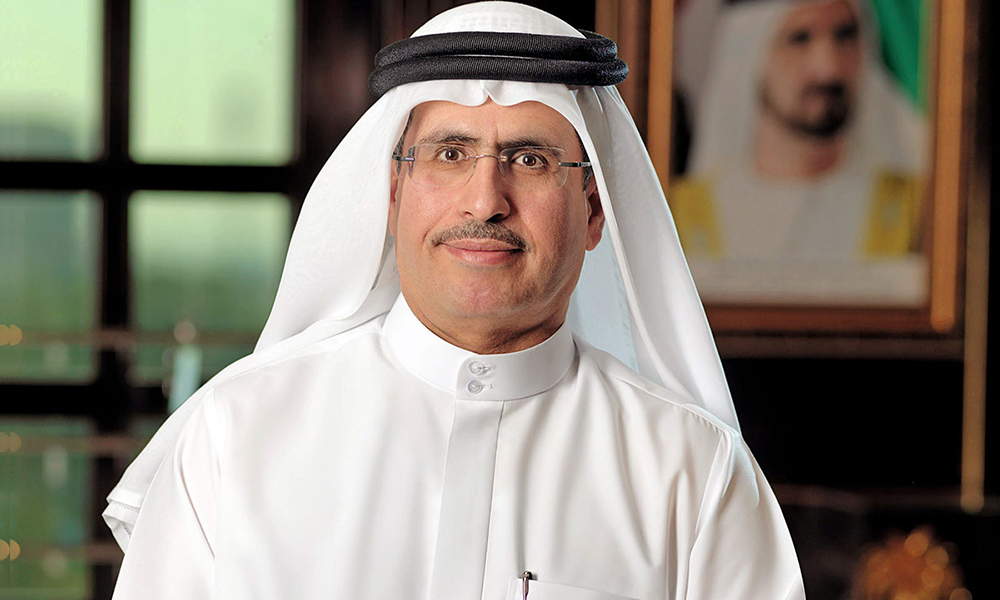
Saeed Mohammed Al Tayer, MD and CEO of DEWA, said this patent supports DEWA’s commitment to promoting energy security and sustainability as per the highest international standards, and its efforts to enhance Dubai’s position as a global hub for clean energy and a green economy.

“Our strategy is based on disrupting the role of utilities by digitalisation using the Fourth Industrial Revolution’s disruptive technologies. We harness innovation and the latest technologies to enhance DEWA’s excellence and leading position as one of the best utilities worldwide,” he explained.

He noted that DEWA has launched several initiatives and projects to diversify the energy mix and improve its storage, including the Mohammed bin Rashid Al Maktoum Solar Park, Hatta hydroelectric power plant, the Green Hydrogen project using solar power, and two pilot projects for energy storage using Tesla’s lithium-ion battery solution. There is also an important sodium-sulphur battery initiative, which is the first utility-scale energy storage pilot project in the region.

Meanwhile, Waleed bin Salman, Executive Vice President of Business Development and Excellence at DEWA, highlighted that the R&D Centre’s research areas include solar power, smart grid integration, energy efficiency, water, space technologies and again, an innovative mix of Fourth Industrial Revolution applications.

The post DEWA patents innovative energy storage liquid appeared first on Middle East Construction News.


Source: MEConstructionNews


Mammoet-Carbon-Monitoring-Platform1_1000x600-1.jpg

August 22, 2023 mebim0

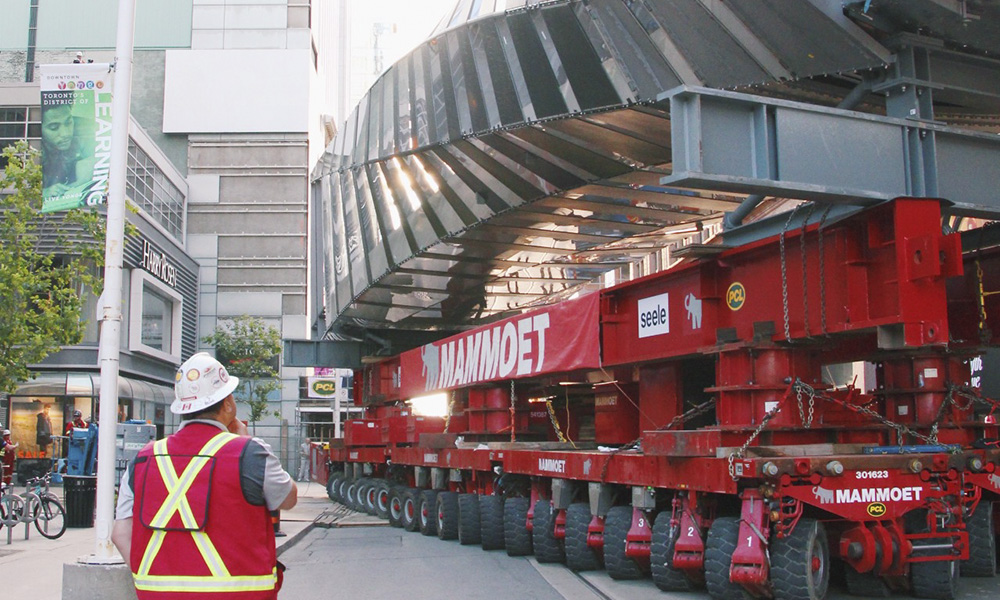
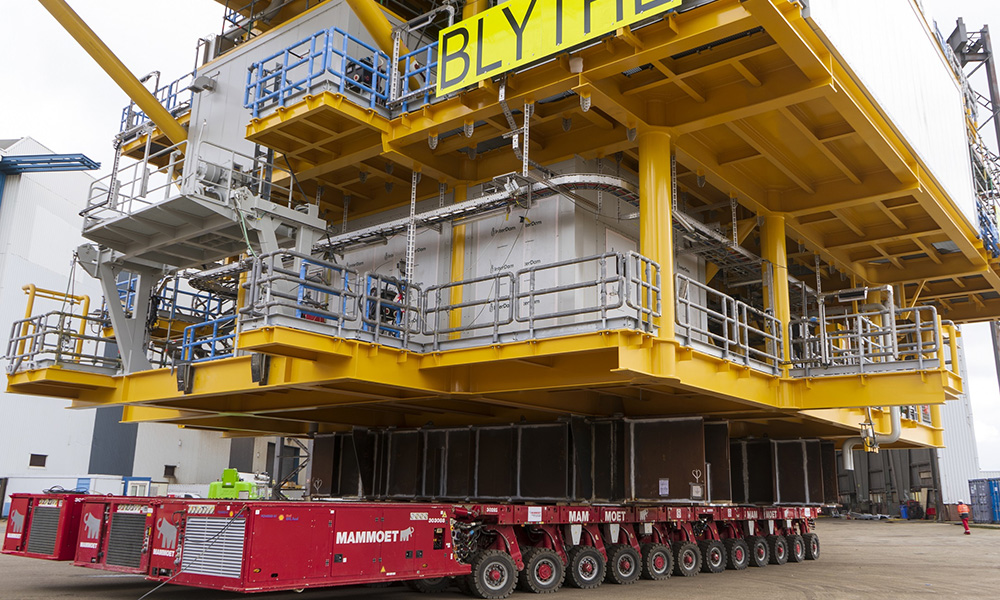
Global heavy lift and transport specialist Mammoet has launched a new zero emission option, which is designed to reduce the carbon impact of its equipment when working on large infrastructure projects such as bridges, wind turbines and power station components.

Mammoet said the new equipment works by converting existing Self-propelled Modular Transporters (SPMTs) from diesel to electric power. SPMTs are the workhorse of heavy industry, used in almost every large energy and construction project worldwide.

The new vehicle is part of Mammoet’s commitment to energy transition, and its move towards sustainability as a manufacturer. Fitting new engines in existing SPMT fleets cuts down on both waste and additional construction, compared to purchasing new ‘zero emission’ equipment.

The new SPMT can eliminate the carbon footprint otherwise incurred by site transports, allowing customers to reduce the impact of large infrastructure projects on surrounding people, businesses and infrastructure.

According to Mammoet, this solution was part-financed by the DKTI, a Dutch government programme to develop climate technologies and innovations in logistics. The company then worked with a leading provider of zero emission powertrains for heavy industry to bring the electric power pack solution to market.

Developed by Mammoet in 1984 and with over 40,000 axle lines in use globally, the SPMT revolutionised heavy industry by moving any heavy load safely, efficiently and with an emphasis on precision.

Mammoet said it has developed a retrofit kit to replace diesel engines in the vehicles with electric motors. Once converted, each SPMT works in the same way as before: transporting objects up to thousands of tonnes at walking pace, using a remote control.

The new motor also reduces noise levels at project sites, making working conditions quieter and safer. Communication between staff is clearer, while work can take place for longer periods at sites where sound restrictions are already in place.

The post Mammoet launches zero emissions option for SPMT transport appeared first on Middle East Construction News.


Source: MEConstructionNews


Water-Drop_1000x600-1.jpg

August 22, 2023 mebim0

The Big Project Middle East (BPME) editorial team is pleased to confirm that the Dubai Supreme Council of Energy (DSCE) has endorsed its forthcoming Future of Water Summit. Eng. Faisal Ali Al Rashid, Senior Director – Demand Side Management at DSCE will open the event with a keynote address on Dubai’s Integrated Water Resource Management Strategy.

The DSCE plays a critical part in policy development, planning and coordinating with concerned authorities and specialists, to make Dubai a leader in the efficient management of electricity and water demand, and reduce energy and water consumption by 30%.

The FOW Summit is scheduled to take place at the Habtoor Grand Resort in JBR, Dubai on the 6th of September. Attendance to the event is complementary but mandatory via registration here – spaces are extremely limited.

With water as the key theme, the event will focus on several topics, including: governance on water usage in the built environment and progress on regional water management strategies; enhancing water and food security; public and private sector projects to enhance water security; the efficient use of water in the construction and operation phase of assets; wastewater treatment plants and sewage networks, and more. Read more about the summit’s agenda here.

Speakers include members from government organisations, industry bodies, developers & operators, construction and engineering stakeholders, water specialists and manufacturers.

The event is being sponsored by:

Bronze Sponsors: Atkins and Thinkproject
Supporting Partners: Culligan, Hansgrohe and Polypipe

To discuss participating at the event as a speaker, contact conference producer Jason Saundalkar on Jason.s@cpitrademedia.com. Sponsorship inquires can be addressed to Raz Islam (raz.islam@cpitrademedia.com) and Madeleine Martin (madeleine.martin@cpitrademedia.com).

Read more about the Future of Water Summit by clicking here.

The post Dubai Supreme Council of Energy endorses the Future of Water Summit appeared first on Middle East Construction News.


Source: MEConstructionNews


Samana-Golf-Views1_1000x600-1.jpg

August 21, 2023 mebim0

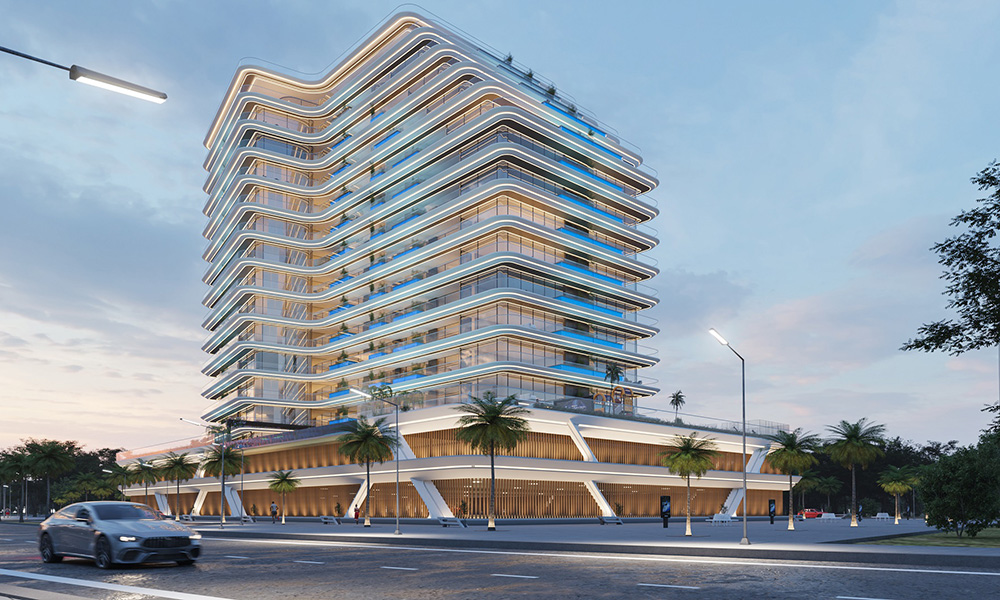
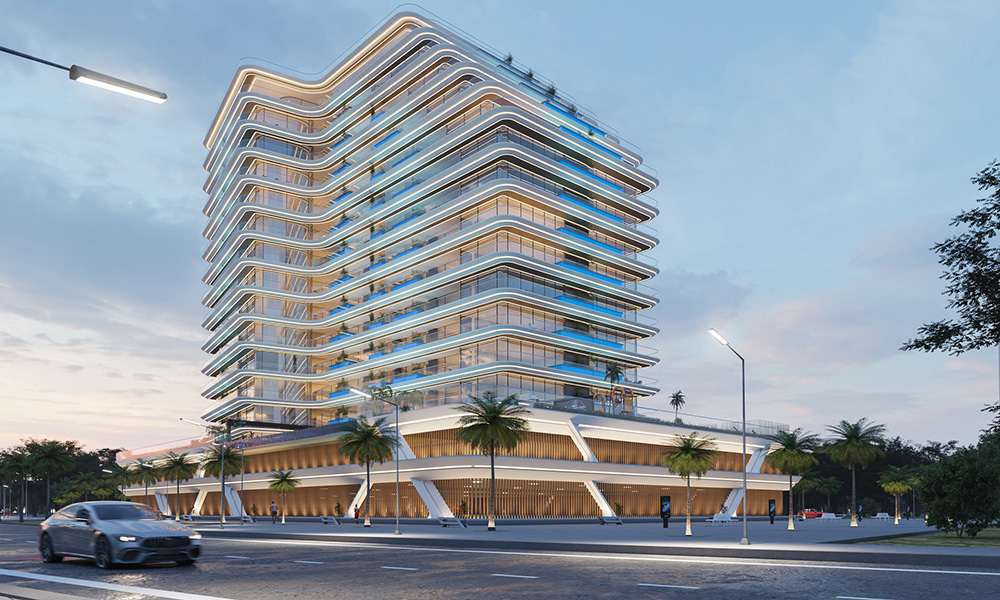
Samana Developers has launched its latest residential project in Dubai Sports City. The $82mn Samana Golf Views is said to be the first project in the district that offers apartments with private pools.

According to the developer, the G+P+14-Floor Samana Golf Views will span 298,935.90sqft and offers easy access to Al Khail Road and Hessa Street.

“The newest addition to our growing portfolio is built around the concept of healthy, sustainable and futuristic living. The project is for those seeking an athlete lifestyle with easy connectivity with the downtown while enjoying the serenity of being away from Dubai’s bustle. It sets Dubai Sports City apart and ranks it in the top 10 popular places to live in Dubai,” said Imran Farooq, Chief Executive Officer of Samana Developers.

Samana Golf Views will feature a mix of 243 apartments that include 128 studios, 52 one-bedrooms, 60 two-bedrooms, and three three-bedroom units. All apartments come with options of fully furnished or unfurnished.

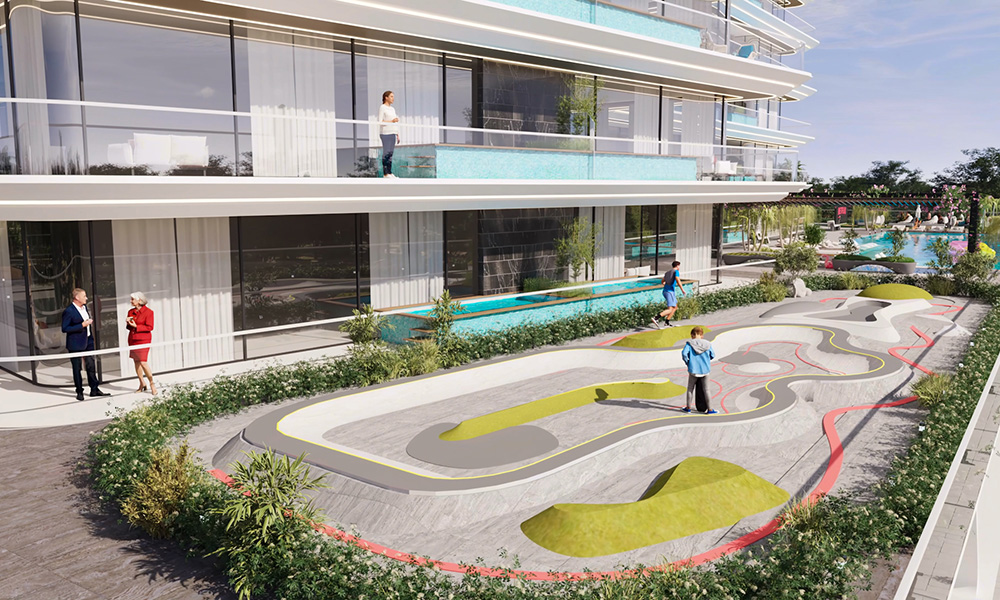
The project’s features include private pools with apartments, a main swimming pool, a luxurious and large leisure pool deck, a kids’ pool, a kids’ play area, VR Golf Experience, a sauna and steam room, sports courts, a skate park, a jogging track, an outdoor cinema, a barbeque area, an indoor gym, an outdoor gym, a walking river, and the standard 24 hours security, the developer noted.

The post Samana Developers launches Samana Golf Views appeared first on Middle East Construction News.


Source: MEConstructionNews


Ras-Al-Khaimah_1000x600-1.jpg

August 21, 2023 mebim0

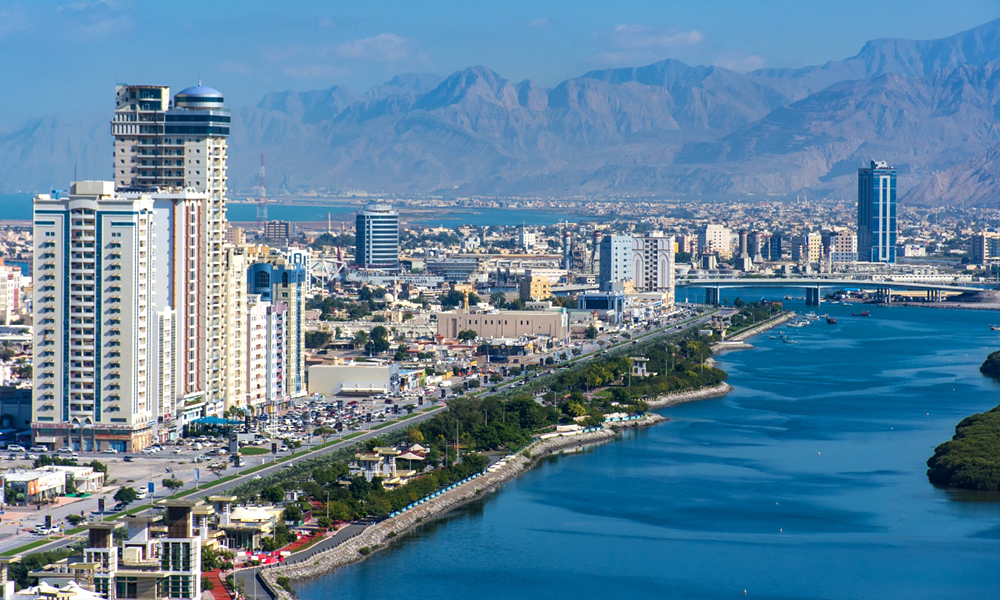
Construction is progressing at pace on EIRA Water’s new facility in Ras Al Khaimah. The Norway-based water group notes that the facility highlights its commitment to sustainability, and says it is due to be operational in the first half of 2024.

The entire facility will be powered by clean energy – such a significant shift towards sustainable energy consumption underscores the company’s dedication to preserving the water source and retaining its uniquely pristine qualities, said a statement from the firm.

“At EIRA Water, sustainability is not an afterthought—it’s at the heart of operations. We believe that by integrating these green initiatives into the business model, we not only fulfil our responsibility towards the environment but also pave the way for other businesses to follow suit,” said a company spokesman.

He added that Norway serves as a beacon of sustainability, and that the company takes immense pride in being part of this eco-conscious community.

The nation’s approach to recycling is exemplary, with virtually everything being recycled and repurposed. The predominantly clean energy landscape, with a strong emphasis on hydroelectric and wind power, sets a global standard. Furthermore, waste management in Norway is methodical and efficient, ensuring minimal environmental impact, he explained.

With global conversations turning towards preserving the environment, EIRA Water is now coming out with a series of initiatives that place them at the forefront of sustainable innovation in the water industry. The Norwegian group pointed out that waste reduction was an immediate concern in manufacturing.

EIRA Water has risen to the challenge by ensuring all glass scrap produced at their factory is recycled. “By closing the loop, the company is not only reducing waste but also conserving resources and minimising the environmental footprint,” he continued.

This step reaffirms our commitment to a circular economy, where materials are reused and recycled, he concluded.

The post EIRA Water says new facility in RAK to open in 2024 appeared first on Middle East Construction News.


Source: MEConstructionNews


Net-Zero-Communities_1000x600-1.jpg

August 18, 2023 mebim0

The built environment contributes significantly to global carbon emissions, making it crucial to take steps towards reducing its carbon footprint. In this article, we will examine the importance of decarbonising buildings in the GCC, and the required collaborative efforts by the public and private sectors to achieve national Net Zero ambitions. Green building practices, renewable energy sources, and energy-efficient technologies play a role in meeting the 1.5-degree target – limiting the global average temperature increase to 1.5°C above pre-industrial levels.

However, the path to Net Zero buildings requires integrated planning for low-carbon communities, and the adoption of a comprehensive building decarbonisation methodology, underpinned by data-driven solutions developed to decarbonise existing building portfolios in an effective way. As the UAE will host the 28th Conference of the Parties to the UN Framework Convention on Climate Change (COP28), there is a great opportunity to drive collaboration and action plans towards mitigating climate change risks and decarbonising the built environment across the region.

National Targets in the GCC

Countries in the GCC region are taking significant initiatives to reduce their carbon footprint in the built environment by setting targets for renewable energy generation and implementing energy efficiency programs. The United Arab Emirates (UAE) has committed to generating 50% of its energy from clean sources by 2050, while the Kingdom of Saudi Arabia (KSA) has set a target to generate 50% of its electricity from renewable sources by 2030.

Qatar aims to generate 20% of its electricity from renewable energy sources by 2030. Oman has also set a goal of generating 30% of its energy from renewable sources by 2030. In Bahrain, the government has launched a program to retrofit buildings with energy-efficient technologies. In 2020, Saudi Arabia launched the concept of the circular carbon economy at the G20 summit to align fossil fuel producers’ interests with Net Zero emissions trajectories.

Master Planning of Low-Carbon Communities

The GCC region has an advantage in greenfield planning for creating sustainable and low-carbon communities. However, there has been a tendency in the region to prioritise gated communities and car-dependent lifestyles.

According to the SNC-Lavalin Group’s report on ‘Engineering Net Zero in the GCC’, a people-centric approach is necessary, considering access to community amenities and alternative modes of transportation. As the report emphasises, holistic city planning and design are required to address carbon emissions in the built environment, energy, and transport sectors.

Saudi Arabia is currently delivering megaprojects along the Red Sea coast to develop cities powered by 100% renewable energy, including solar, wind, and green hydrogen. The cities are envisioned to be Net Zero carbon by prioritising people’s health and well-being over carbon-intensive transportation and infrastructure. The UAE’s Dubai 2040 Urban Master Plan focuses on sustainable development, reducing energy demands, and promoting sustainable mobility. The plan also promotes integrated communities with green spaces and recreational facilities.

Building Decarbonisation

The Intergovernmental Panel on Climate Change (IPCC) highlights that greenhouse gas emissions need to decline 43% by 2030 relative to 2019 levels to limit global warming to 1.5°C. Buildings make up almost 40% of global carbon emissions with 28% coming from existing stock. Therefore, a comprehensive building decarbonisation methodology needs to be implemented to achieve the 1.5-degree target.

The methodology focuses on establishing a baseline of current emissions to set decarbonisation ambitions and targets and develop a tailored strategy. By following this approach, an organisation can measure and report progress on the plan and make any required adjustments to meet its building decarbonisation targets.

To help reduce carbon emissions for existing buildings, SNC-Lavalin launched ‘Decarbonomics’, an innovative data-driven solution designed to decarbonise existing assets in a cost-effective manner. Recognising that buildings contribute significantly to global carbon emissions, with a large portion attributed to existing structures, Decarbonomics focuses on making carbon visible and maximising the value of assets, while reducing carbon footprint. It generates robust and intuitive portfolio and asset-level views of the organisation’s decarbonisation journey and the associated cost across the entire estate regardless of condition or global distribution.

The decarbonisation approach begins by capturing, structuring, and managing portfolio data, including benchmarking current performance, and addressing any data gaps. Leveraging industry-leading carbon data insights, Decarbonomics analyses carbon, cost, and engineering solutions to develop customised roadmaps for cost-effective implementation. Artificial intelligence and machine learning are utilised for scenario testing and generating optimal decarbonisation strategies.

Challenges and Solutions

Despite progress, challenges remain, including the high initial costs of implementing green technologies and the need for greater education and awareness of sustainable building practices. Hence, addressing challenges to the decarbonisation of the built environment in the GCC requires several considerations.
First, it is crucial to implement policy and legislation for strategic land use planning that prioritises sustainability. This entails revitalising existing sites in metropolitan areas rather than extensive new construction. Additionally, stricter rules should be enforced for regenerating and retrofitting existing buildings to enhance energy efficiency, internal comfort, and overall well-being. The Emirates Green Building Council has launched initiatives to promote sustainable building practices in the UAE, including retrofit programs for energy-efficient technologies.

Second, it is important to establish incentives and drivers for these initiatives to accelerate their implementation. Shifting thinking around energy use is vital for achieving sustainability goals. Demand-side management, which involves actively managing and optimising energy consumption, also play a role in energy planning. Governments can promote effective facility management planning from the design stage of major assets. This approach ensures that investments perform optimally, with controlled maintenance costs, and attract higher-value tenants.

Third, building decarbonisation requires not only looking at the capital cost involved, but also evaluating the whole life-cycle cost of the building from materials to systems, specifications and operations and maintenance. The developers and operators of the building portfolio can benefit from creating an intelligent cost and program optimised decarbonisation roadmap that integrates existing life-cycle replacement with asset management data.

Collaboration between all stakeholders is key to achieving the goal of decarbonising the building sector in the GCC. Integrating land use and urban transport planning into community and building design is necessary to reduce energy needs and achieve Net Zero goals. The efforts should be accelerated for retrofitting existing buildings with energy-efficient technologies, promoting renewable energy systems, and enforcing green building codes and regulations.

The Way Forward

Achieving the ambitious 1.5-degree target and mitigating the severe impacts of climate change require bold actions from all sectors, including the building and construction industries. These industries can contribute by adopting sustainable building practices and transitioning to renewable energy sources, aiming to reduce carbon emissions by 50% by 2030 and achieve zero net emissions by 2050, in line with the IPCC proposition. Global initiatives such as the European Union’s ‘Renovation Wave’ and the US Department of Energy’s ‘Better Buildings Initiative’ provide valuable lessons and emphasise the importance of energy efficiency and decarbonisation in buildings.

Delivering high-performing built environment solutions is a crucial step towards decarbonising cities in the GCC. To bring about significant change across the built environment lifecycle, it is essential to adopt comprehensive decarbonisation methodologies, address policy, enhance legislation, and review codes.

A well-communicated and clear strategy highlighting the advantages of owning and operating low-carbon, highly efficient buildings can drive positive changes aligned with the national Net Zero targets. By prioritising these measures, the region can effectively transition towards a sustainable and resilient built environment.

The post A pathway to sustainability appeared first on Middle East Construction News.


Source: MEConstructionNews