mamzar-1.jpg

April 15, 2026 mebim0

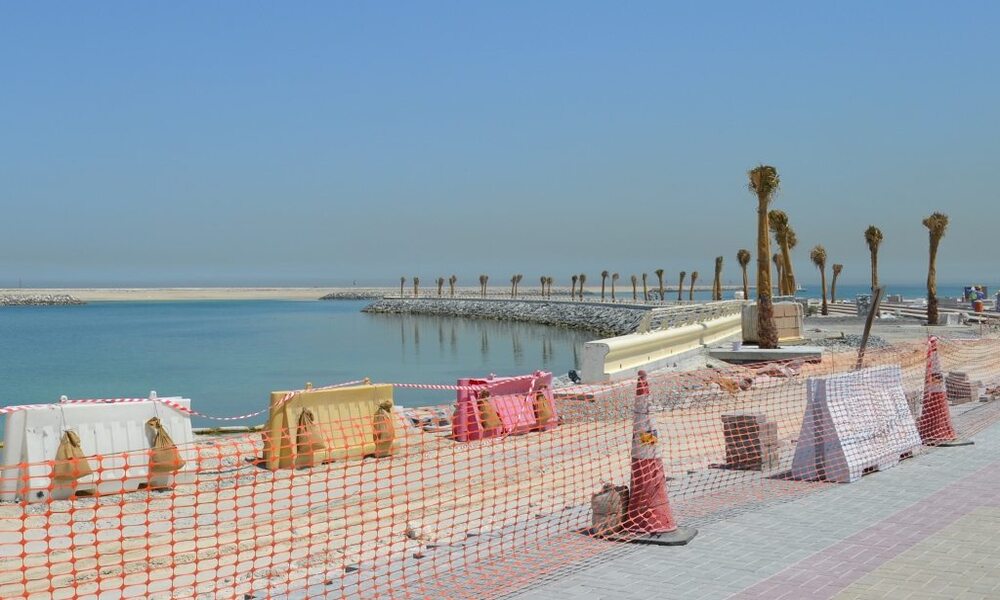
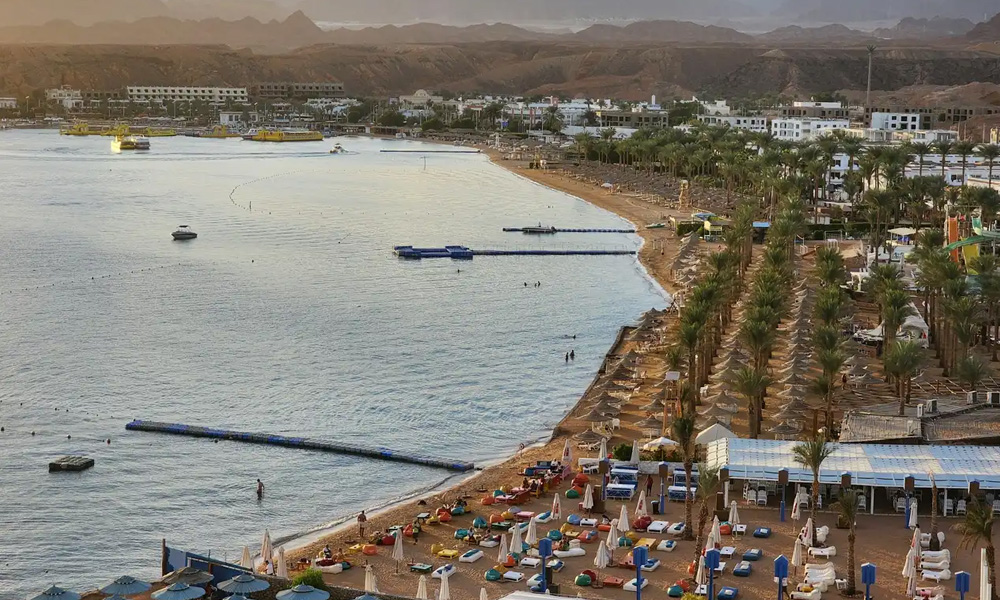
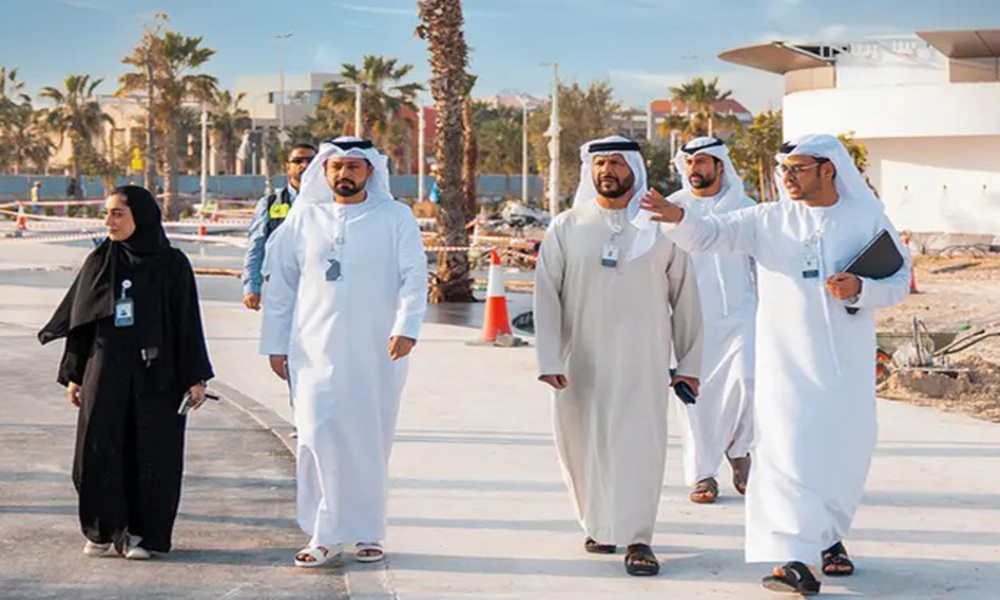
Work is moving at a steady pace on the Al Mamzar Corniche Development in Dubai with the project nearly 88% completed, thus reflecting steady progress in line with planned timelines and adherence to the standards of safety, environmental sustainability, and service quality, said a statement from Dubai Municipality.

Through Al Mamzar Corniche, Dubai Municipality will introduce a new coastal destination guided by an integrated vision that transforms public beaches into urban spaces.

The project represents a qualitative leap and a significant addition to the emirate’s coastal landscape, offering a destination for those seeking privacy, tranquility, and luxury-oriented beach experiences.

It will feature a public beach dedicated exclusively to women, available for night swimming, designed in line with the highest international standards to ensure privacy and safety. The beach will be fully enclosed by a surrounding fence to guarantee complete privacy for women.

Marwan Ahmed bin Ghalita, Director General of Dubai Municipality said, “Dubai’s beach development projects are among the most important strategic initiatives we are delivering to enhance the efficiency and quality of the emirate’s coastal and beachfront infrastructure.”

He was speaking after conducting a field visit to the Al Mamzar Corniche Development Project to review the progress of works and ensure alignment with delivery timelines ahead of its completion and opening.

Accompanied by executive leadership, project managers, and engineering teams, Bin Ghalita assessed construction progress, supply chain resilience, and operational readiness, reaffirming Dubai Municipality’s commitment to delivering high-quality, future-ready coastal destinations.

The visit forms part of Dubai Municipality’s broader efforts to advance the development of public beaches and strengthen Dubai’s position as a leading global destination for beach tourism, aligned with its vision to enhance quality of life through sustainable and resilient urban infrastructure.

As part of Dubai Municipality’s commitment to climate adaptation and infrastructure resilience, the project includes measures to elevate beach levels and strengthen coastal protection against the impacts of climate change.

More than 500,000cu/m of beach sand have been utilised based on specialised environmental studies to enhance shoreline stability and ensure long-term sustainability, the statement said.

The post Al Mamzar Corniche development 88% complete appeared first on Middle East Construction News.


Source: MEConstructionNews


cement-1.jpg

April 15, 2026 mebim0

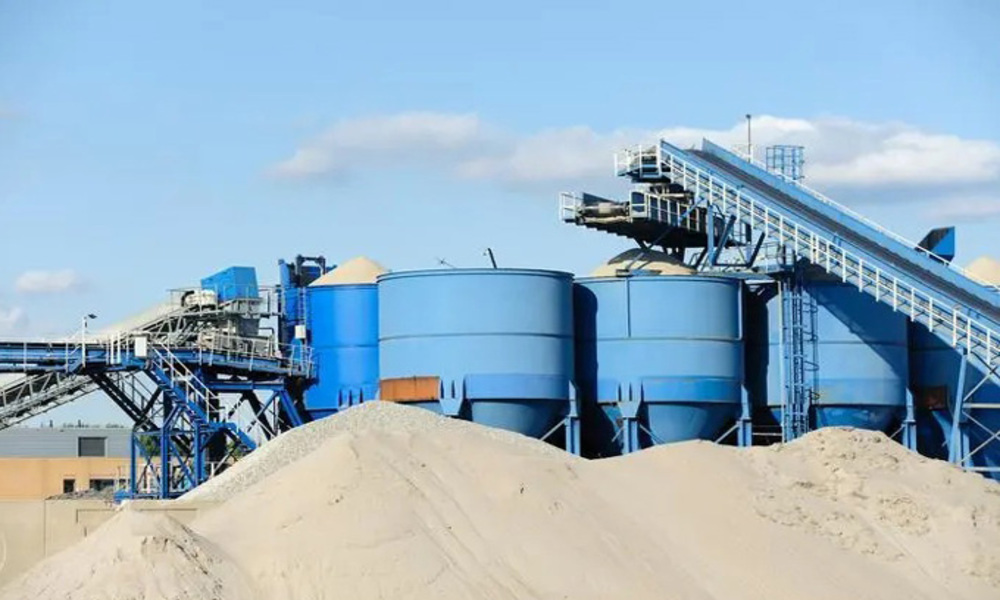
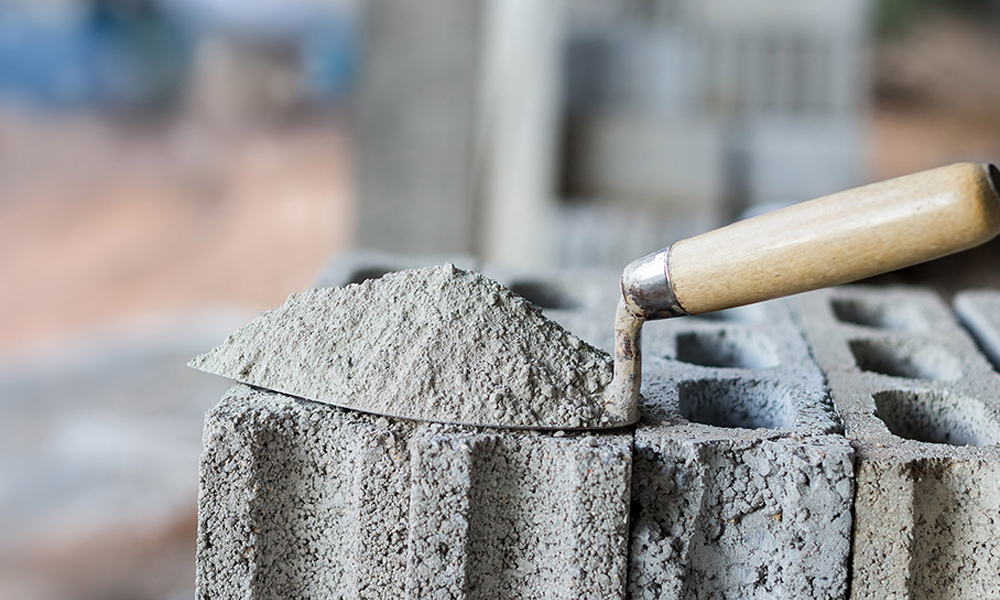
The cement sales volumes across the Kingdom of Saudi Arabia declined by 6.7% YoY and 21.3% MoM to hit 3.37MT, reflecting the holiday effect and recent geopolitical developments, according to a report by Al Rajhi Capital, a leading financial services provider in the Kingdom.

The sales volume for the first 3 months fell by 4.7% YoY to 12.76MT, it stated.

Yamama continues to command the highest market share, recording 14.2% in Q1, followed by Saudi Cement (12.8%) and Qassim Cement (12.1%), said the report by Al Rajhi Capital.

Clinker inventory grew by 2.1% MoM to 43.6MT, with Southern cement holding the highest inventory (18 months of LTM average sales), it added.

The post Saudi cement sales fall by 4.7% in Q1 appeared first on Middle East Construction News.


Source: MEConstructionNews


Al-Quoz-Industrial_1000x600-1.jpg

April 14, 2026 mebim0

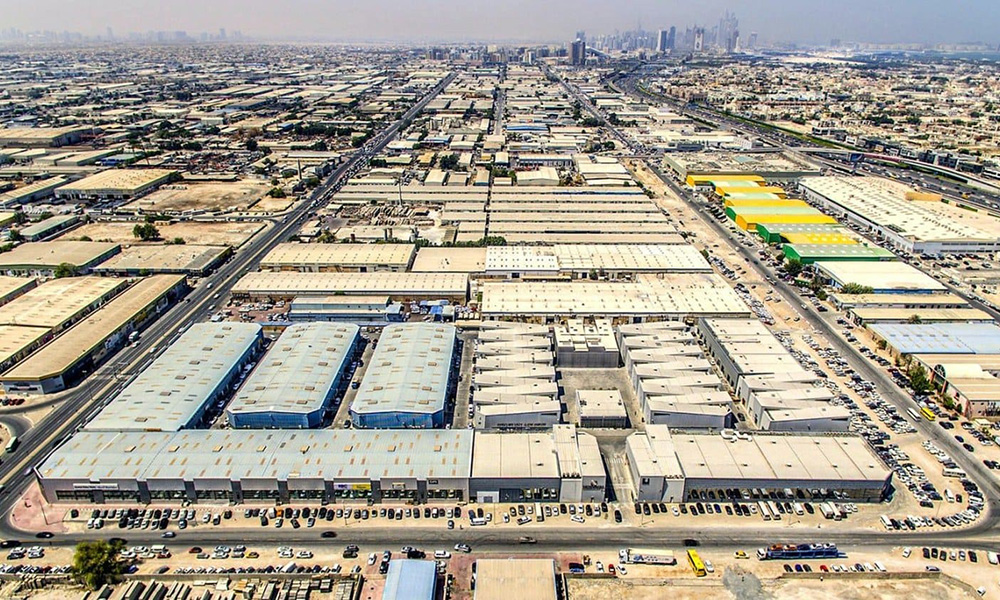
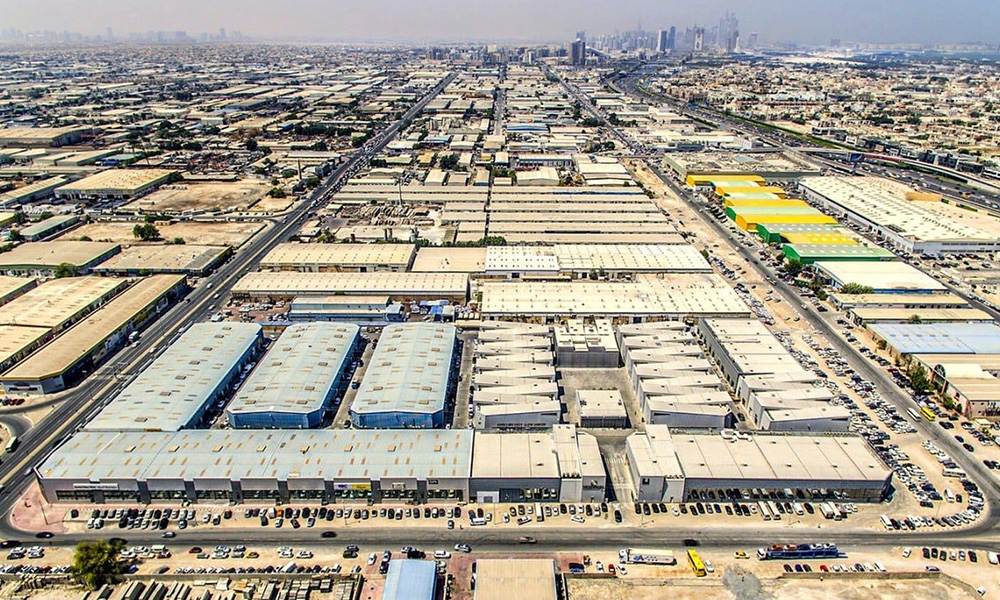
Phase 1 of the Sewerage and Stormwater Network Development Project in Al Quoz Creative Zone, has been completed according to Dubai Municipality at a cost of US $68.1mn, with the total investment in the project said to be $136.1mn. The Al Quoz Creative Zone is said to be one of Dubai’s most dynamic and economically active areas.

The project aims to develop an integrated, adaptable, and sustainable sewerage and stormwater system serving Al Quoz Industrial Areas 1, 2, 3, and 4, as well as the area located between Sheikh Zayed Road and Al Khail Road. It spans a total area of 1,600ha and covers more than 1,507 plots.

His Excellency Marwan Ahmed bin Ghalita, Director General of Dubai Municipality said, “The Sewerage and Stormwater Network Development Project in Al Quoz is one of Dubai Municipality’s key strategic projects to enhance the efficiency, resilience, and operational readiness of the emirate’s infrastructure systems. It supports Dubai’s ongoing urban and population growth, reinforces its position as a global leader in sustainable urban planning, and strengthens the future readiness of its infrastructure, making Dubai a more attractive, sustainable, and liveable city.”

“The project enhances the efficiency of sewerage and stormwater infrastructure systems in Al Quoz Creative Zone and supports its integrated urban model. It will further strengthen the area’s appeal as a vibrant hub for economic and investment activity, while keeping pace with the emirate’s future development requirements,” he added.

Phase 1 included the construction of sewerage and stormwater drainage networks covering 155ha and 123 plots. Supporting the emirate’s sustainable sewerage infrastructure, Dubai Municipality delivered sewerage networks adding up to a length of 15km, with pipe diameters ranging from 160mm to 1,600mm. The works also included the development of an integrated stormwater drainage network extending 14km, with pipe diameters ranging from 200mm to 3,000mm.

This project forms part of the emirate-wide Sewerage System Development Programme, which aims to transform the system into a more sustainable, innovative, and efficient network. It also aligns with the Tasreef programme for stormwater drainage development, valued at $30bn – the largest unified stormwater collection system in the region and one of the most operationally efficient – designed to increase drainage capacity by 700% for the next 100 years.

Adel Mohammed Al Marzouqi, CEO of the Waste and Sewerage Agency at Dubai Municipality noted, “This project contributes to enhancing the efficiency of the rainwater drainage system and the smooth flow of water in the Al Quoz Creative Zone, while reducing water accumulation. This ensures the continuity of services and business operations and supports the city’s resilience and preparedness to face various future climatic conditions.”

Dubai Municipality said that it will continue to implement transformative infrastructure projects that strengthen the emirate’s resilience to future environmental challenges, enhance operational efficiency, and ensure service continuity in line with urban and population growth.

These efforts support Dubai’s transition towards a smart and sustainable city model, aligned with national agendas and the leadership’s vision to position Dubai as a global benchmark for infrastructure quality and public services, it added.

The post Phase 1 of Al Quoz sewerage and stormwater project complete says Dubai Municipality appeared first on Middle East Construction News.


Source: MEConstructionNews


Rua-Al-Madinah-1.jpg

April 14, 2026 mebim0

PIF developer Rua Al Madinah has awarded a US $2.1bn contract to China Railway 18th Bureau Group for the construction of Superblock 5 within the holy city’s tourism and cultural development, said a report by MEED.

The scope of Superblock 5 comprises the construction of 10 branded hotels, JW Marriott (5-star, 252 rooms); Marriott (5-star, 450 rooms); Le Meridien (5-star, 533 rooms); Four Points By Sheraton (4-star, 777 rooms); Novotel (4-star, 328 rooms); Swissotel (5-star, 466 rooms); Fairmont (5-star, 142 rooms + 120 residential units); Grand Hyatt Hotel (5-star); Hyatt Regency Hotel (5-star, 539 rooms) and Hyatt Place Hotel (4-star, 330 rooms).

According to Rua Al-Madinah’s estimates, the construction of Superblock 5 will require a substantial amount of materials, including 430,000cu/m of concrete, 875,000sqm of block walls, 423,000sqm of drywall, 74,000t of steel rebar, 215,000sqm of tiles, and 228,000sqm of facades, curtain walls, and windows.

In February 2024, 2 contracts were awarded to international consulting firms for the development of the Superblocks 4 and 5 components. Rua Al Madinah entered into a contract with the US-based engineering firm Jacobs for design consultancy services on 12 hotels and other infrastructure for Superblock 4.

Another contract was signed with the US-based firm KEO International Consultants to oversee the implementation of the Superblock 5 project. The other consultants involved in the Superblock 5 project include Perkins Eastman, a US-based firm, and Meinhardt, a Singapore-based firm.

In February 2023, the MEED report revealed that US-based Parsons had been awarded contract worth $15mn for construction project management consultancy and contract administration services for mega Madinah project. Parsons is responsible for managing the main infrastructure works, including the construction of the tunnel, roads, and utilities.

The post Rua Al Madinah appoints contractor for $2bn Superblock 5 project appeared first on Middle East Construction News.


Source: MEConstructionNews


Qatari-Diar-1.jpg

April 14, 2026 mebim0

Qatari Diar, the real estate subsidiary of Qatar Investment Authority, is to invest US $828mn in building hotels in east Cairo and Sharm El Sheikh over the next 4-years.

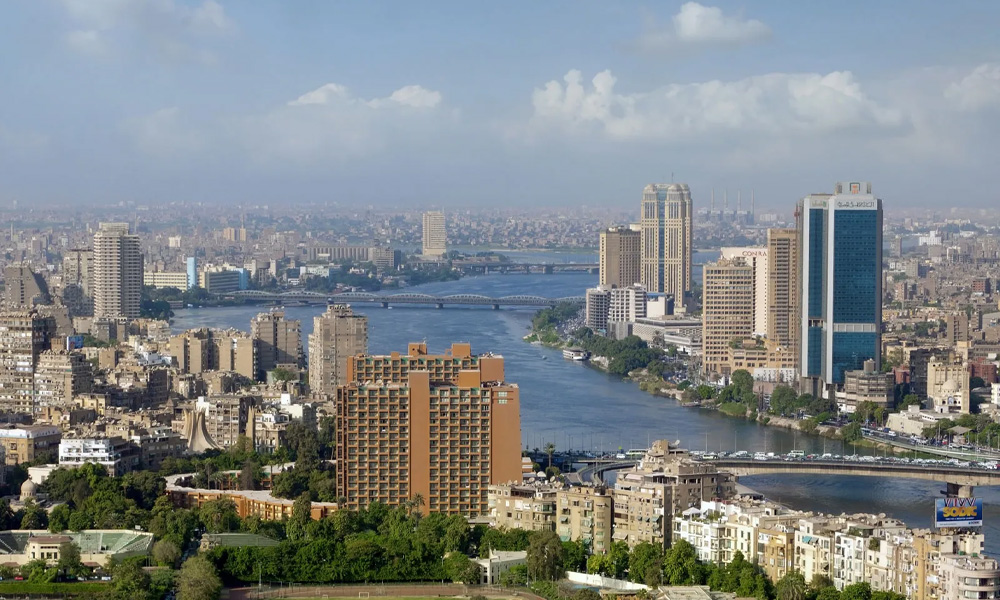
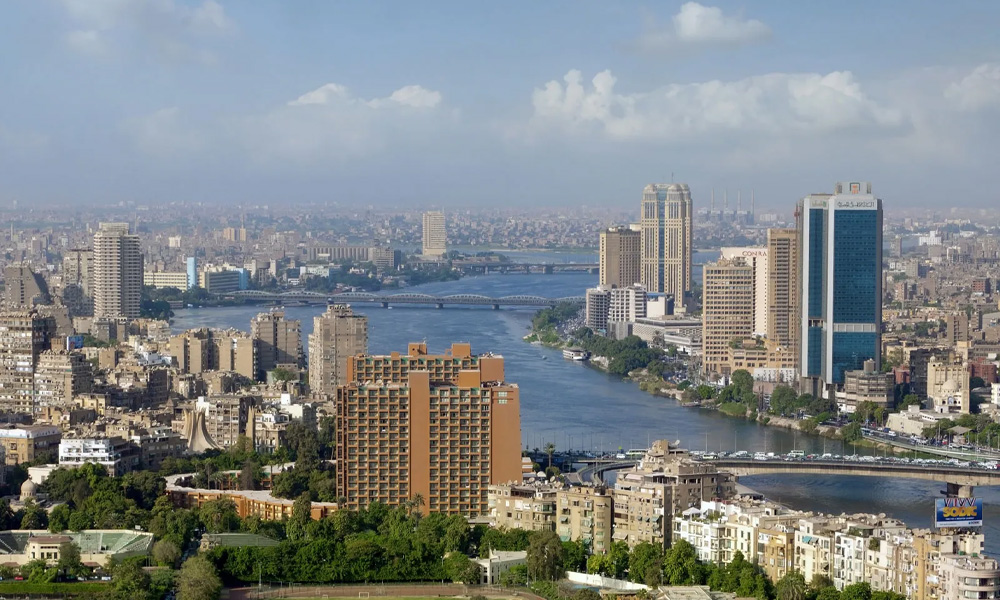
Citing unidentified sources, Asharq Business reported that Qatari Diar intends to construct 4-hotels, totaling 1,000 rooms, as part of the CityGate project in the Fifth Settlement, east Cairo. The 4-hotels will be developed in collaboration with global hospitality brands.

Qatari Diar is said to already have a landbank in Egypt spanning 64m sqm. It has developed 8m sqm of this land and aims to expand the developed area to 18m sqm within the next 3-years.

The expansion plans extend to Egypt’s Red Sea coast, where the developer is finalising feasibility studies on a luxury hotel complex in Sharm El Sheikh.  Spanning 470,000sqm, the project will cost between $350mn and $500mn. The studies are expected to be completed within 18 months, with construction starting in 2027.

In November, Qatari Diar signed a partnership agreement to develop a project on Egypt’s Mediterranean coast, with investments totaling $30bn.

The company is working on completing the masterplan and final designs of the Alam Al-Roum project, located 480km northeast of Cairo. Construction is anticipated to commence in Q4 of 2026. The initial phase of the project will encompass residential, tourism, and hospitality facilities, with investments projected to reach $1bn, as per the report.

The post Qatari Diar to invest over $800m in hotel developments across Egypt appeared first on Middle East Construction News.


Source: MEConstructionNews


RTA-Bus-Shelters_1000x600-1.jpg

April 13, 2026 mebim0

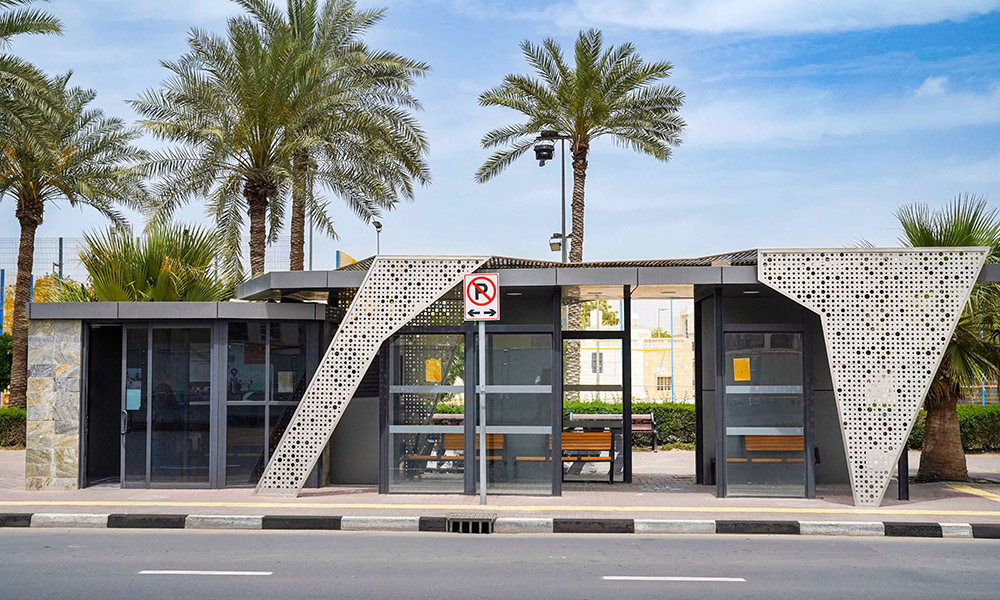
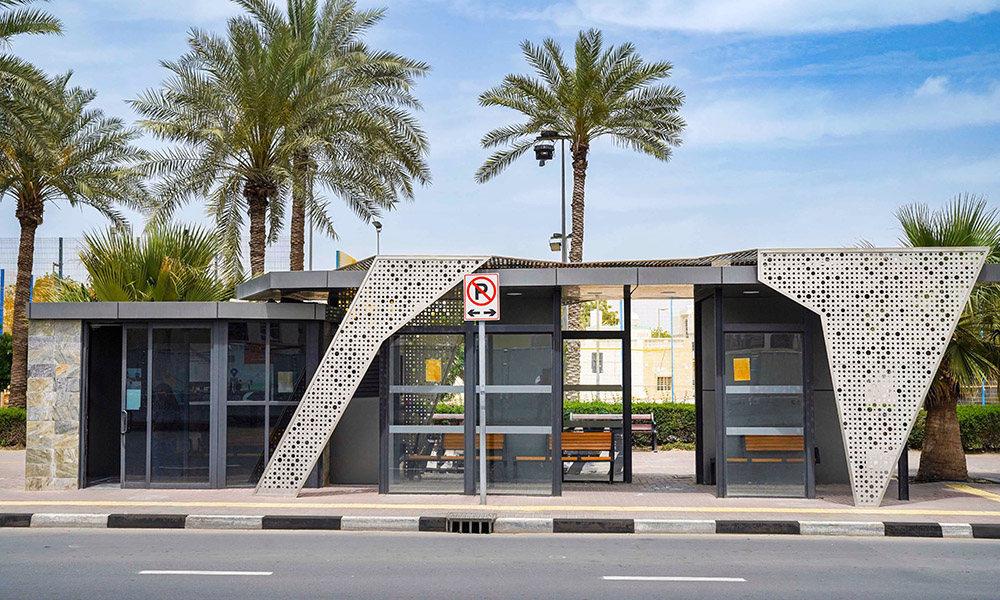
The Roads and Transports Authority (RTA) has said that it has completed a project involving the installation of 726 modern bus shelters for public transport riders, distributed across key areas of Dubai.

The new shelters are said to serve more than 192m riders annually. Some shelters are linked to more than 10 bus routes, enhancing network flexibility and raising operational efficiency, the RTA said.

The project is said to underscore the RTA’s commitment to developing an integrated public transport system based on service quality and efficiency, while supporting Dubai’s direction to establish public transport as the preferred mode of mobility.

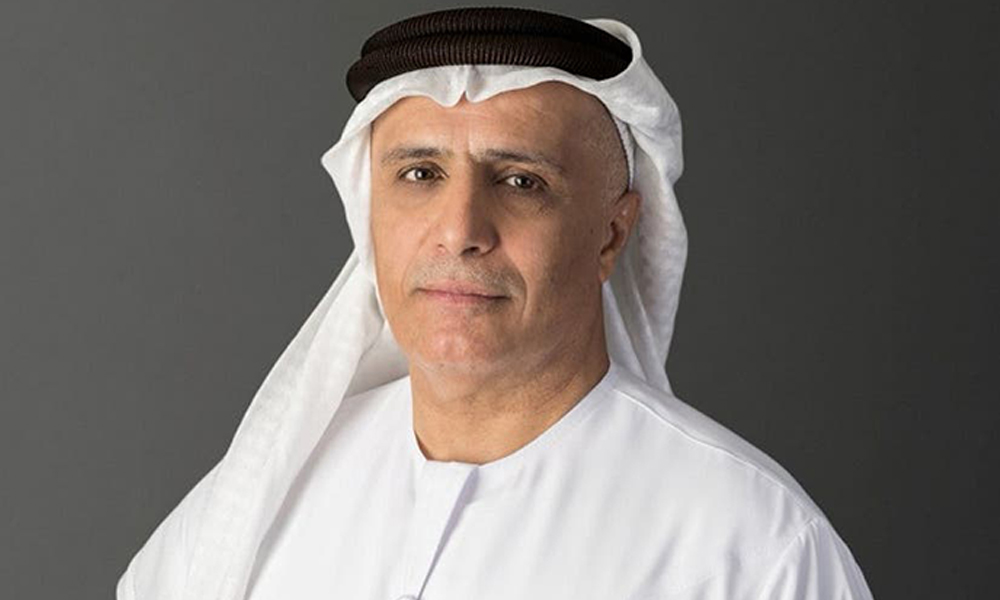
His Excellency Mattar Al Tayer, Director General, Chairman of the Board of Executive Directors of the Roads and Transport Authority said that the project marks a strategic step in strengthening infrastructure that supports the public transport system. He noted that it reflects the RTA’s direction towards building an integrated, people-centric urban environment that enhances quality of life and reinforces Dubai’s position as one of the world’s best cities to live in.

He added that the development of mobility infrastructure extends beyond operational aspects to include enhancing the user journey and increasing the attractiveness of public transport, thereby supporting sustainability targets and reducing carbon emissions.

“We ensured that the new shelters combine modern, attractive design with integrated services that enhance the mobility experience, strengthen public confidence in the public transport system, and support sustainability objectives, including reducing emissions. The shelters serve a large number of bus routes — sometimes over ten routes per shelter — which improves network efficiency, cuts travel time, and boosts public transport ridership,” he noted.

Al Tayer explained that the locations of the new bus shelters were selected to meet the requirements of high-density areas and the current and future operational needs of public bus services. The locations also support integration with individual mobility modes.

The design of the new shelters complies with the Dubai Universal Design Code for People of Determination, with dedicated spaces allocated for wheelchair users. This supports the “My Community… A City for Everyone” initiative, which aims to transform Dubai into a fully inclusive and accessible city for People of Determination.

The RTA said that bus shelters have been categorised into seven models based on usage levels. These include Main Stop (serving more than 750 riders per day); Secondary Stop (accommodating between 250 and 750 riders per day); Standard Stop (serving between 100 and 250 riders per day); and Pick-up and Drop-off Stop (serving fewer than 100 riders per day).

In addition, it explained that part of the shelter space at main stops has been designated as air-conditioned, alongside shaded outdoor areas and advertising spaces. The shelters are also equipped with information displays providing bus network maps, timetables, service frequency, and other rider information and services.

The post RTA completes 726 bus shelters across Dubai appeared first on Middle East Construction News.

Source: MEConstructionNews


HKA-CRUX-1_1000x600-1.jpg

April 13, 2026 mebim0

Global risk mitigation and dispute resolution firm, HKA released the Eighth Annual CRUX Insight Report titled ‘From Insight to Foresight’ in late 2025.

The latest edition of the report features insights from over 2,200 projects from 114 countries valued at US $2.43tn. Some of the key findings in the latest version of the report include:

  • Disputed costs averaged around a third of contract budgets
  • Claimed extensions of time would add two thirds to works schedules
  • Time-based analysis shows a big shift in claim and dispute patterns
  • Most causes have reduced in frequency, with regional variations
  • Despite the pandemic, disputed schedule and budget overruns were lower post-2020
  • COVID-19 caused conflict on almost a quarter of projects
  • Cashflow and payment issues rank higher in tougher economic times

The full report and a powerful interactive dashboard can be accessed freely at www.hka.com/crux-insight. The report and interactive dashboard are amongst the most powerful resources this Editor has seen in his career covering construction, in terms of sharing deep insights into the main causes of claims and disputes on engineering and construction projects.

Since the report was first launched several years ago, it has garnered a significant following with over several thousand downloads reported to date.

Discussing the vision behind the development and launch of CRUX, Toby Hunt, Partner, Business Development Lead International at HKA comments, “CRUX was created to give the industry something it had never had before, an evidence-based, global view of the root causes of claims and disputes on construction and engineering projects– grounded in project data, rather than practitioner survey insight alone.”

“Our experts were already analysing distressed major projects worldwide, and the volume of data meant we held insights that could genuinely help clients avoid disputes, strengthen project governance and improve outcomes. Formalising this into an integrated research programme in 2017 – aligned with rigorous research principles – allowed us to share those lessons more widely and help raise industry standards.”

He explains that CRUX is underpinned by a formal methodology, an empirical dataset, cross‑literature taxonomy development and advanced analytical techniques. “It applies ataxonomy of 1,750 causes of dispute, distilled into 39 categories through comparison with academic and industry literature,” he adds.

Asked for insights into how the initial idea was received within the firm, and whether there was any resistance to undertaking such an intensive research project, Hunt says: “We expend a significant amount of internal time in collecting data and making sure we aggregate and analyse it. So we had to show how the insight would help HKA, including how it would support clients, strengthen our capability and reinforce our value proposition.”

Hunt says there was an element of “winning hearts and minds”. “What you have to show is that this exercise isn’t just about research, but rather creating a detailed annual report that can drive incremental benefits across the business. We also showed how it could benefit HKA consultants as an internal service. So while a lot of what we were doing was sharing the knowledge with external clients, it was just as much supporting our internal colleagues by showing them what we were producing, inviting questions and sharing insights they could use in client conversations.”

Here, Hunt also points out that the CRUX reports are more than just knowledge sharing. “It goes beyond that, because it can sometimes provide insight into areas you might not have traditionally seen. If you’ve worked on 10 projects in different sectors, what you don’t often see is the detailed differences in causation between these projects, or between those sectors.”

“By doing the analysis, collecting data and investigating in the way that we have, it brings a pretty stark contrast. In some sectors, the causation is very different, or more nuanced, than in others. Many people write about delay and causes, but much of it isn’t research-based,” he says.

Asked what the now well-known name of the report means and where it came from, Hunt says it was inspired by rock climbing. “In the English language, a crux is described as a vital, basic, decisive, or pivotal point. In climbing crux is the hardest and most physically demanding part of a route or boulder problem. It demands your attention and you have to work out what your moves are going to be before you attempt it. That’s where we got it from,” he notes.

Discussing whether the concept behind the CRUX report has remained the same since its inception, or whether it has evolved, Hunt responds: “The core purpose – identifying and analysing the underlying root causes of claims and disputes – has remained constant.”

He adds: “What has evolved each year is the depth, methodology and thematic focus. The dataset has now grown to more than 2,200 projects, and recent editions have introduced new analytical layers, including time‑based analysis, AI impacts, econometric modelling, contract type comparisons, ‘speed to build’, stakeholder behaviours, skills‑related challenges and the growing environmental risks facing projects. As the scale and richness of the data increases, CRUX,  one of the most academically rigorous and empirically grounded dispute‑causation research programmes in the construction industry, has also become more forward looking, moving from insight to foresight.”
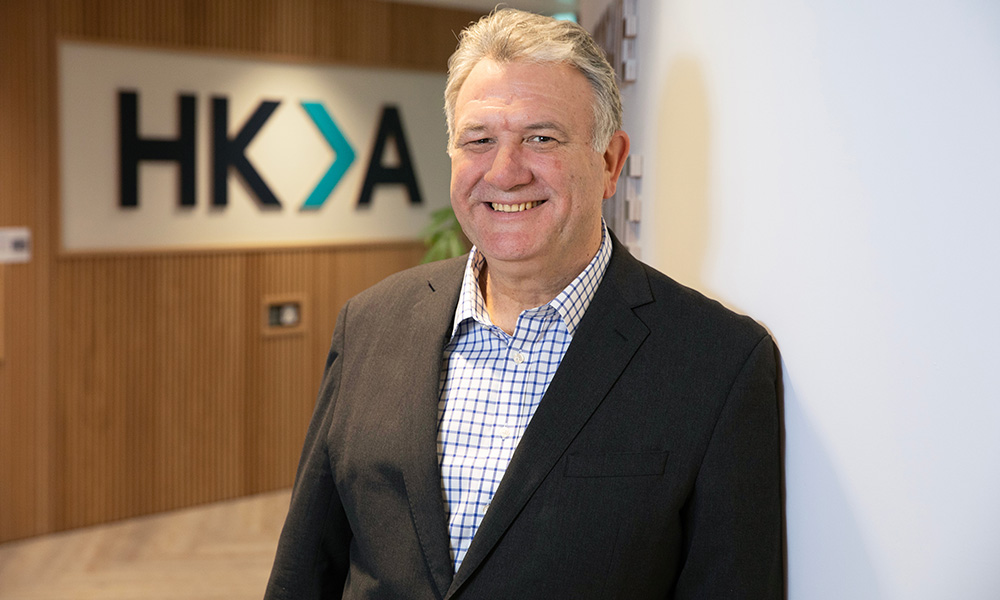
Toby Hunt, Partner, Business Development Lead International at HKA

Producing CRUX

Developing the CRUX report is an intensive process that demands significant time and resources from   individuals across HKA’s global network of offices.

Sharing insights into how the report is produced, Josephine Guckian, Partner, Chief Marketing and Communications Officer outlines: “CRUX is the result of a year‑round global effort. Our experts gather data from real investigations across regions and market sectors. The CRUX research team structures and analyses this dataset, consults with colleagues and external stakeholders on emerging themes, and develops the findings and narrative. We also interview subject‑matter experts, consultants and advisors, to gather additional insight, and the report goes through a final peer review by senior experts.”

“HKA invests significant time and expertise to maintain the rigour of the analysis, develop dashboards and deliver client-ready insights andbespoke presentations,” she emphasises.

She elaborates: “In terms of production, each report typically takes around 2- to 3-months, supported by continuous data collection throughout the year. The project surveys run continuously and we also hold a lot of brainstorming sessions, particularly around what we’re going to write about. We spend quite a bit of time making sure that the themes we focus on, informed by interviewswith our experts and consultants, are relevant to the industry and to our clients.”

Following the launch of a new report, Guckian says HKA then markets it and presents the data and insights to clients, some of whom also invite the firm to present it to other groups. “We do a lot of panel discussions around the report, and we find that people tend to reference it a lot, which is great to see.”

Hunt and Guckian have spearheaded the CRUX report from its inception to present day and are credited with steering it into becoming a globally recognised research and knowledge-sharing platform.

Elaborating on the team and the process behind the report Guckian says, “Toby and I spend a significant amount of time working on CRUX, and we also have  a dedicated resource, Kate Hall, to project manage and oversee its development year round. That said, it’s really a global effort, with colleagues involved from across the world, from the Americas to Australia. We interviewdifferent consultants and experts and we try to rotate who we speak to each year, so that different people have the opportunity to participate. After 8-years, it’s become pretty popular internally.”

“Initially, it took a bit of convincing to get people to set aside time. But once they could see the value, they started making space for CRUX, and now people are very keen to be involved,” she highlights.

Discussing what she most enjoys about working on CRUX, Guckian says the report brings together every part of the business, from experts to consultants and advisors. “The team enjoys shaping the narrative, ensuring the insights are accessible and meaningful for clients, and seeing how HKA colleagues use the data in client presentations, seminars, and industry discussions. It is gratifying to see the impact CRUX has across the industry and to watch it being referenced by clients, law firms and industry bodies around the world,” she says.

She continues, “It has taken time to develop CRUX into a brand in its own right, but we’re now seeing real anticipation for each edition. People contact us to ask when the report will be released, and we’ve seen clients and lawyers referencing it and using it in their own businesses. That, to me, is evidence that what you’ve produced is a quality product – and it’s probably the one thing I’m most proud of.”

Hunt adds, “From my perspective it goes back to the beginning of this project. Some people in our business initially questioned why we’re investing so much time and effort. Today, that scepticism has disappeared – everyone can see the value of CRUX, and how it helps us engage with our clients by sharing knowledge.”

“It’s much easier to talk to a client when you’re offering to share some of your knowledge. We’ve had a number of clients say what we are doing is market leading and puts us ahead of anyone else in the industry because what we’re doing is not easy. It does take us a lot of time and effort to do each year. So that’s probably what I’m proud of,” he comments.

Committing to quality

Producing a globally relevant report such as CRUX is a significant commitment and, as with any such project, there are numerous challenges to overcome to ensure the finished product delivers value to stakeholders.

Asked about the most challenging aspect of producing CRUX each year, Guckian says it’s crucial to ensure that the team is focuses on the right emerging themes and provides insight that genuinely adds value for clients and the wider industry. Coordinating contributions across regions, managing interviews and reviews, and keeping the narrative clear while reflecting what the data is really showing all require careful planning to make sure the structure flows effectively, she explains.
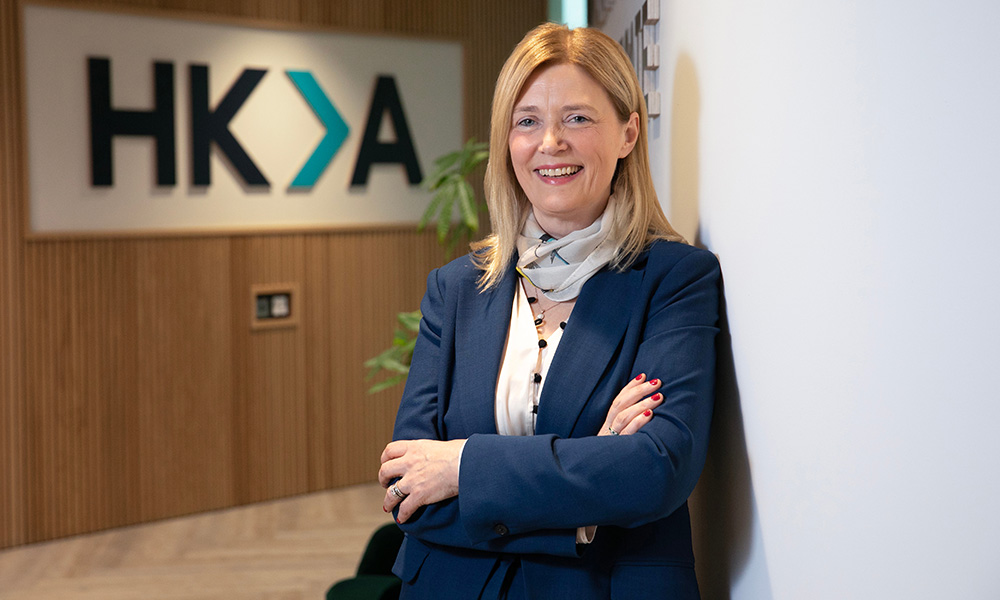
Josephine Guckian, Partner, Chief Marketing and Communications Officer, HKA

Ensuring absolute consistency in messaging, design and global launch timing is another significant part of the process, she notes.

She elaborates, “To get a read of what’s going on in the industry, we have an internal research department. We receive a lot of news alerts and subscribe to leading research providers so we have a strong sense of the landscape – but there’s always a debate. With so many experienced specialists across the business, we test and challenge ideas until we’re clear on what the report should focus on.”

“It’s a healthy discussion, and it means that we end up with some of the best topics of interest to the wider industry. This aspect can be a bit challenging at times, but it’s interesting. The great thing is, and I think a lot of people at HKA would agree, you actually learn a lot by listening in on those interviews, and reading about what our most senior experts and consultants have to say.”

Hunt adds, “We’re a global business that communicates with its clients every day, so we understand the challenges they’re facing and how those challenges evolve year-on-year. CRUX is shaped by what we see on live projects as it happens. A client might call and say ‘We are facing some project challenges, can you help us and try to avoid this turning into a dispute?’. So we’re not just a firm that’s dealing with disputes, we’re a firm that also helps with dispute avoidance.”

“The industry has challenges. We had COVID-19, and there’s a lot of geopolitics at the moment, which affects clients. So it’s interesting to see how CRUX causation is shaped by those ‘black swan’ events and trends over time. It’s a healthy challenge for us.”

Here, Guckian highlights, “CRUX goes through a thorough peer review. We have a panel once all the information comes back and an external writer that helps us compile it all. Once the interviews are done, it’s peer reviewed by the interviewees and when the whole report comes together, it actually goes to another panel to be peer reviewed again. Our reputation is so important, so we make sure it’s been thoroughly reviewed before it’s launched to the marketplace.”

Asked about how he judges the success of CRUX, Hunt replies: “CRUX continues to deliver value through bespoke studies and project-specific analyses. We develop in-house assessments that allow clients to benchmark their own performance against the CRUX dataset and pinpoint areas for improvement. The same analytical approach has also informed risk assessments on large energy programmes, helping project teams identify recurring drivers of claims and disputes and make more informed decisions at critical stages.”

He continues, “For one client, we carried out a detailed causation and performance analysis on their major infrastructure programme, using CRUX data and expert insight to benchmark issues, identify systemic drivers of delay and cost escalation, and strengthen the evidence base behind the project review. For one public sector client responsible for a major heritage building renewal program, we tailored and delivered a CRUX briefing to their senior team. This involved adapting our analysis to the unique characteristics of a complex historic estate and exploring relevant data to help them understand recurring drivers of claims, disputes and project risk.”

Since CRUX was first launched in 2017, the report has been downloaded more than 5,000 times, reflecting its growing following across the industry.

Positive impact & the future

Since its early days, the annual CRUX report has had a tangible impact on HKA’s business around the world. Guckian notes that the report continuously demonstrates HKA’s expertise.

“With more than 45 years of experience in construction claims and disputes, CRUX showcases the knowledge of our people, supported by the real project data our experts and consultants have worked on. This combination of expertise and evidence differentiates HKA in every region.”

She adds, “It provides an authoritative, independent evidence base that strengthens our credibility in the industry and positions HKA as a thought leader on dispute causation. Globally, CRUX has become a unifying brand asset that elevates our profile and reinforces our expertise across markets and geographies.”

Asked about how the report’s success is judged, Hunt says:, “We can see from client engagement, and the amount of downloads. I was at a conference not too long ago where a competitor was talking about a particular issue and they had CRUX slides on their screen. We probably don’t see a huge percentage of the times that the CRUX data is referred to at various congresses and conferences around the world.”

“Considering we’re in our eighth year with the report, I think we have a successful proof of concept,” Hunt confirms.
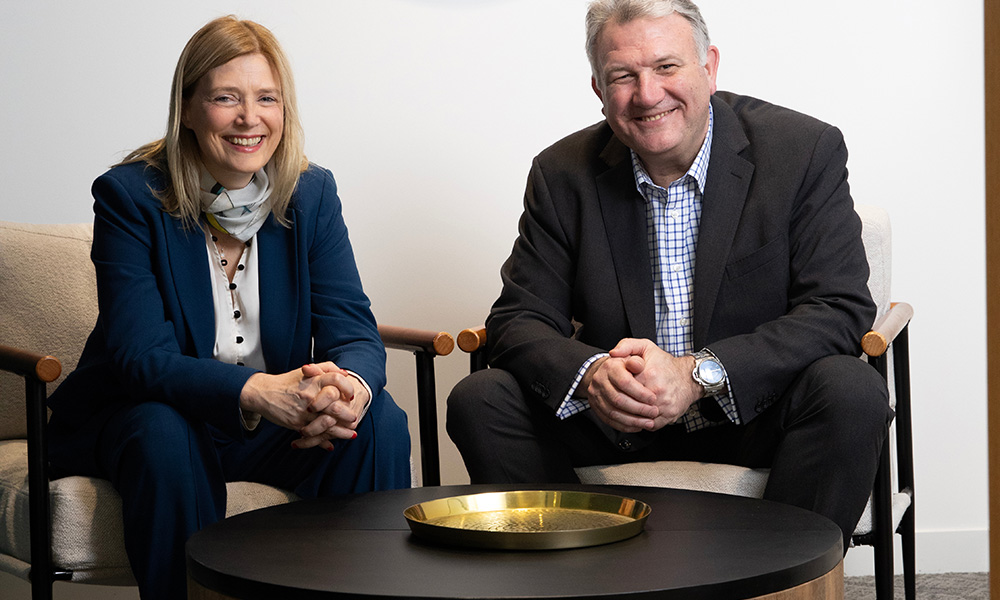
Here, Hunt reiterates that client feedback has also been overwhelmingly positive. “Clients tell us that CRUX validates what they experience on their own projects and helps benchmark performance. They value the clarity of the analysis, the identification of recurring issues, and the ability to use the data to improve governance, planning and risk management. Clients also tell us they find the CRUX dashboard extremely useful for exploring different industries and geographies, understanding the top causes of claims and disputes, and comparing contract types in a clear and accessible way.”

Pressed about whether the underlying causes of claims and disputes has changed since the first edition of the CRUX report was released to present day, Hunt notes that despite global disruptions, many of the core drivers of claim and disputes remain consistent.

He explains, “Scope change, design issues, late information and poor contract administration are still responsible for many claims and disputes. However, CRUX shows encouraging trends. In the past 5-years, several underlying causes have declined in frequency or impact, particularly on projects completing after 2020. At the same time, megaprojects continue to amplify risk, and new themes such as AI, supply chain stress and contract type effects have become more prominent.”

Asked for his recommendations on how clients can avoid some of the common issues that are highlighted in the CRUX reports, Hunt says: “Companies can actually use what we put in the CRUX report to try and help with their risk mitigation strategies. I think some don’t have a proactive way of managing risks, so I recommend that they actually use the data that we share in the report.”

“If they can understand the information and identify their risk profile, they can build strategies to assess and stay on top of risks. Risks are not static; they change every day. As soon as you do something, you should be thinking about how that potentially affects the time and money the company is going to expend on a project,” he comments.

Here Guckian adds, “I would encourage companies to engage with CRUX, particularly the dashboard, as a practical way to understand issues that commonly arise on projects and how risk can be better managed.

Looking ahead, Hunt and Guckian say the future of CRUX is about deeper insights, greater accessibility and continuing to give back to the wider industry.

“We will keep developing more detailed dashboards, improving regional and sector-specific editions, and exploring new analytic themes shaped by industry feedback. We will also continue focusing on the themes that matter most to the industry, ensuring the analysis remains relevant and meaningful. As the dataset grows, CRUX will strengthen its predictive dimension, helping clients anticipate risks earlier.”

They conclude, “Our goal is to ensure the insights remain easy for the industry to access, understand and apply. Ultimately, we want CRUX to remain the industry’s most trusted source of dispute causation intelligence and a resource that genuinely improves project outcomes worldwide.”

The post Getting to the CRUX of the matter appeared first on Middle East Construction News.

Source: MEConstructionNews


gagan-1.jpg

April 13, 2026 mebim0

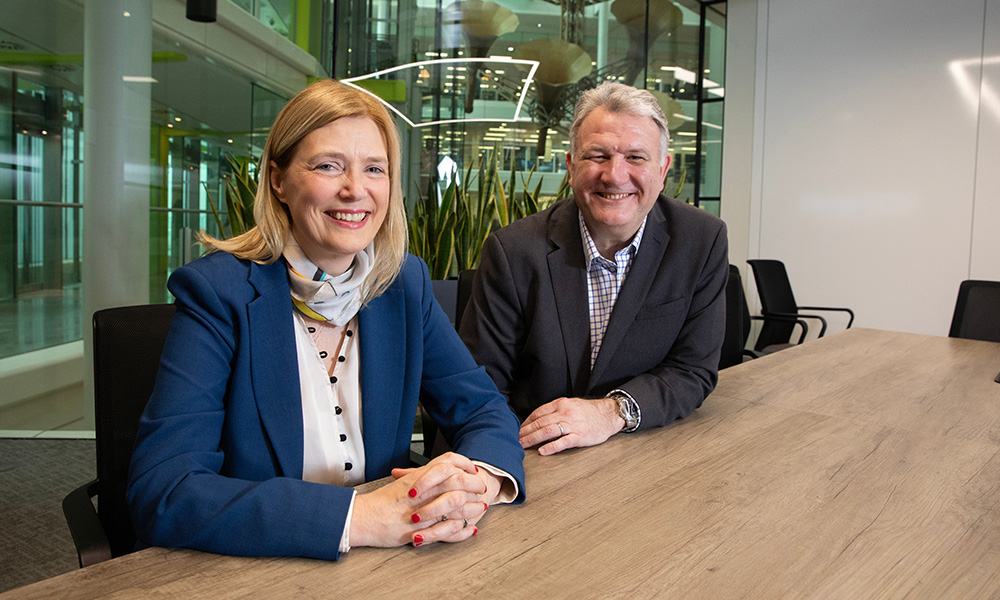
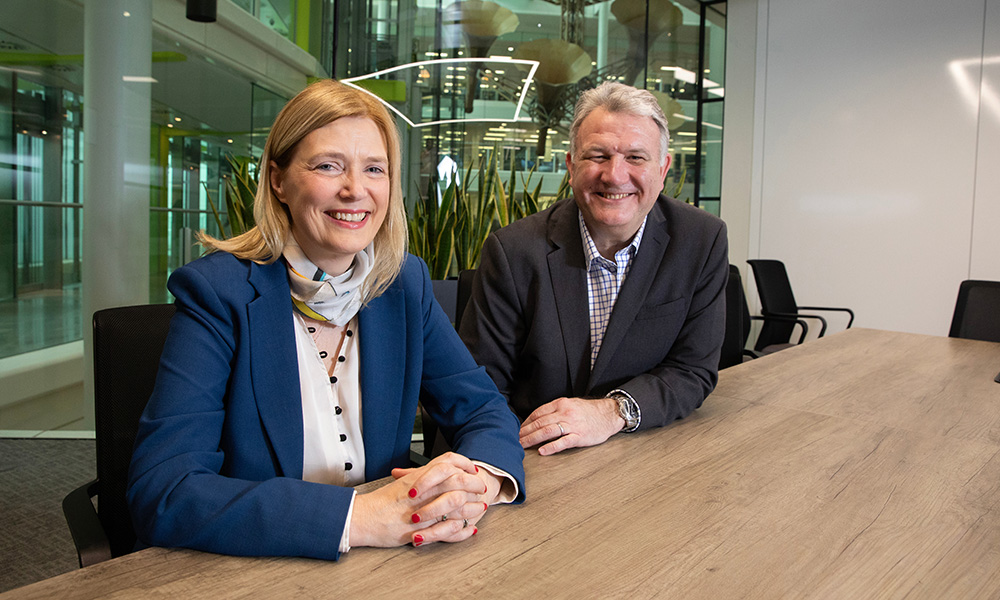
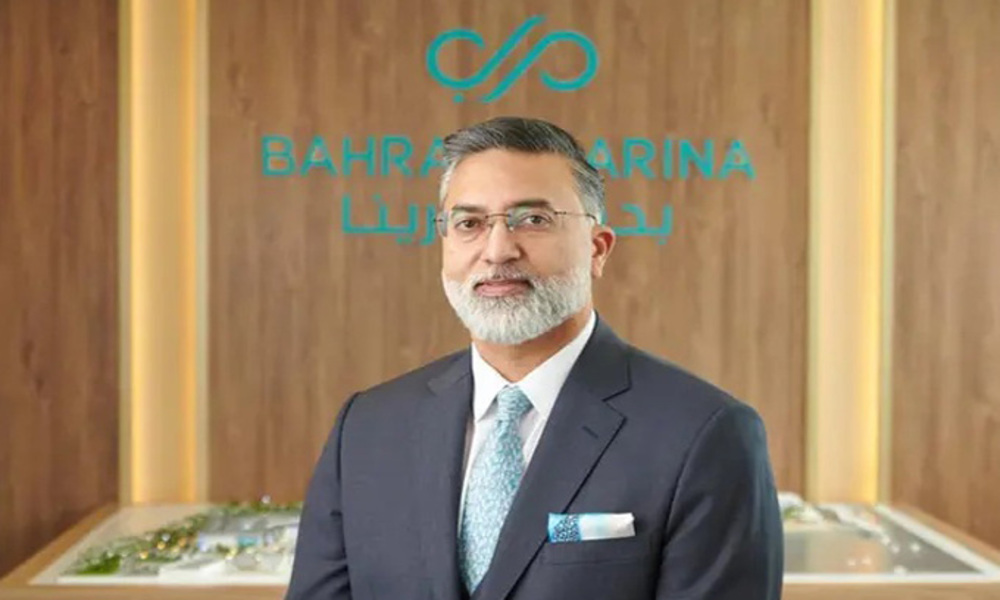
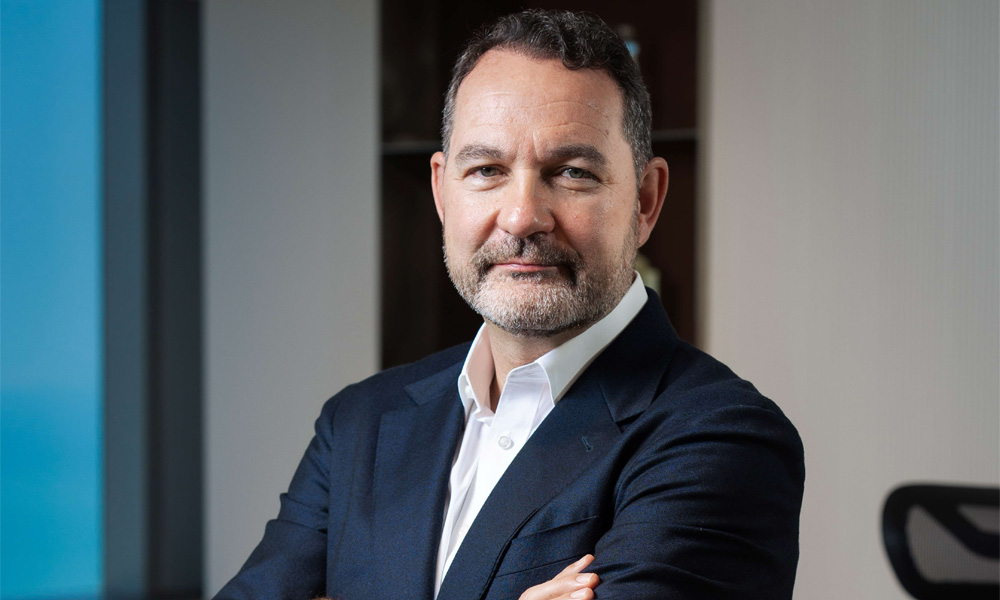
Bahrain Marina Development Company (BMDC) has appointed Gagan Suri as CEO, as the development advances into its next phase and prepares for its operational launch.

Suri brings more than 25 years of international leadership experience in large-scale urban development, infrastructure delivery, and real estate investment across the Middle East, Europe, and North America.

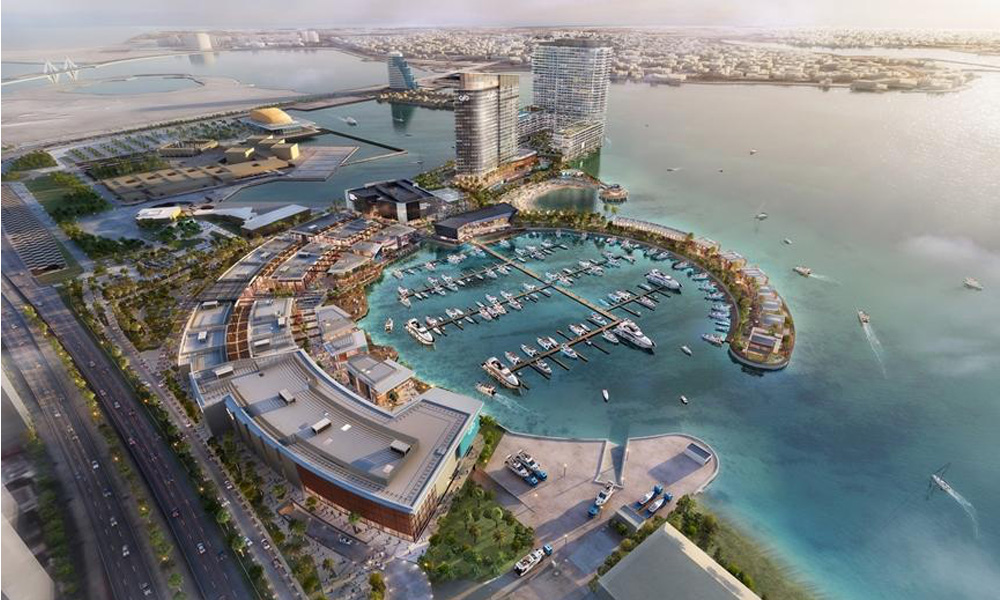
In his new role, he will lead the strategic delivery, market positioning, and operational transition of Bahrain Marina, one of the Kingdom’s most significant waterfront developments.

Most recently, Suri served as Executive Director and Head of Development at Oxagon, an emerging advanced industrial and port ecosystem on the Red Sea designed to support next-generation manufacturing, logistics, and global supply chains.

In this capacity, he oversaw development planning and infrastructure coordination across a large-scale industrial and urban environment integrating port operations, manufacturing clusters, logistics corridors, and supporting urban infrastructure.

Prior to this Suri served as CEO and Board Member of Bahrain Bay Development, where he led the transformation of Bahrain Bay into one of Manama’s premier mixed-use waterfront districts. The development introduced a dynamic combination of residential, hospitality, commercial, and retail assets that have contributed to reshaping the capital’s skyline and strengthening Bahrain’s position as a regional destination for investment and tourism.

Earlier in his career, Suri held senior leadership roles with Arcapita, Saudi National Bank Capital, Credit Suisse, and Capmark Finance, gaining extensive experience in real estate investment, infrastructure financing, and the delivery of large-scale development projects across international markets.

His appointment comes at an important moment as Bahrain Marina continues to progress through construction and development milestones, positioning the project to become a new waterfront destination in the heart of Manama.

The post BMDC appoints Gagan Suri as CEO appeared first on Middle East Construction News.

Source: MEConstructionNews


Al-Reem-1.jpg

April 13, 2026 mebim0

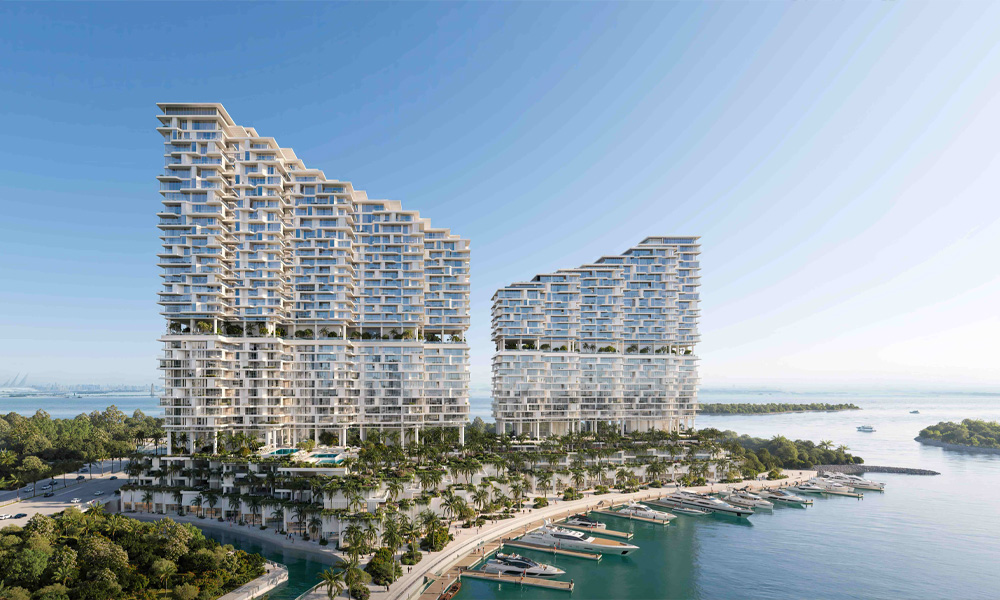
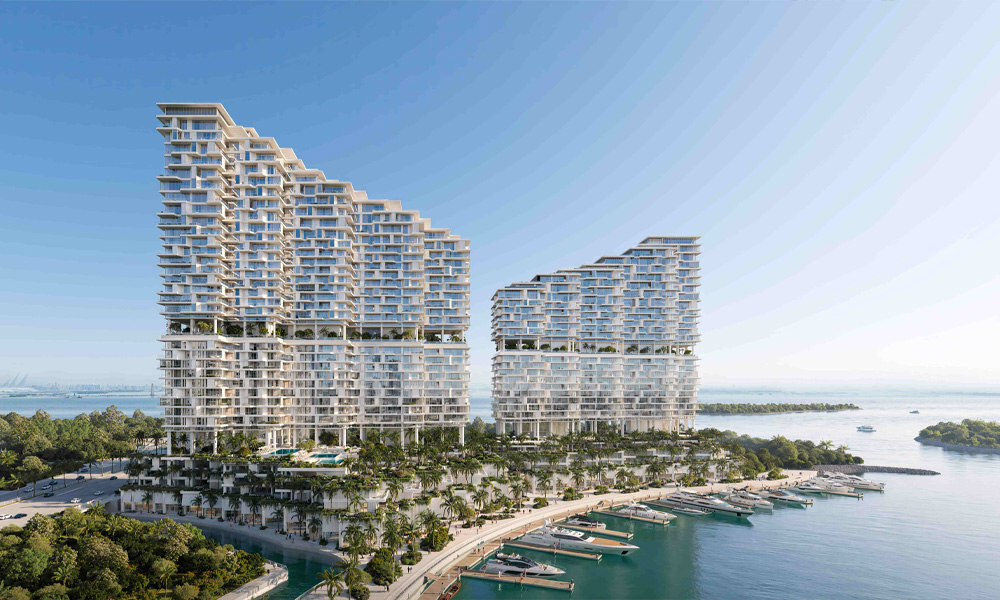
Developer MERED has announced the progress of main piling operations at Riviera Residences, a waterfront residential tower situated on Al Reem Island in Abu Dhabi.

The milestone marks the completion of 60% of the enabling works, which encompasses essential tasks such as constructing guide walls, shoring, contiguous piling, and ground improvement across both zones.

Abu Dhabi’s residential market has demonstrated remarkable resilience and strength, as evidenced by this progress. This underscores the emirate’s commitment to delivering off-plan projects that cater to the discerning needs of its residents. Deep foundation works have been completed, further solidifying the project’s foundation.

The development boasts over 400 apartments and 11 exclusive villas, including sky villas, ocean villas, and a penthouse. The promenade features a variety of cafés, boutique retail, and dining options, providing residents with a diverse range of amenities and entertainment.

Construction is progressing despite the ongoing changes in the wider region, the site team has successfully managed to stay on schedule through proactive planning. The project has already achieved over 85,000 safe man-hours without any lost-time incidents, a testament to the safety culture that the team has consistently built and maintained, said the developer.

Michael Belton, CEO of MERED said, “This milestone is a direct result of the quality of the teams we have on the ground, but it is also a testament to the resilience of the UAE’s real estate sector. Abu Dhabi in particular continues to attract serious, long-term investment. This project was always conceived as something that could stand the test of time. That ambition has not changed, and neither has our commitment to delivering it.”

The project’s progress comes at a time when Abu Dhabi is further strengthening its investment environment in line with Abu Dhabi Vision 2030, and its broader focus on sustainable urban growth, transparency, and long-term economic development.

New measures introduced have strengthened Abu Dhabi’s real estate regulatory ecosystem, introducing integrated controls, improving operational efficiency, and ensuring transparency across the market. Together, these reinforce investor confidence and the emirate’s position as a stable, well-regulated residential market.

Riviera Residences is supported by a group of well-regarded delivery and design partners whose combined expertise strengthens every stage of the development. Pritzker Prize-winning architects Herzog & de Meuron; ground engineering and enabling works specialists, NSCC International; engineering consultants  DAR ALHANDASAH, and Paris-based landscape consultants Michel Desvigne Paysagiste (MDP), are reinforcing MERED’s focus on long-term placemaking, the firm said.

The post MERED advances Riviera Residences to deep foundation works appeared first on Middle East Construction News.

Source: MEConstructionNews

Qatar-1.jpg

April 13, 2026 mebim0

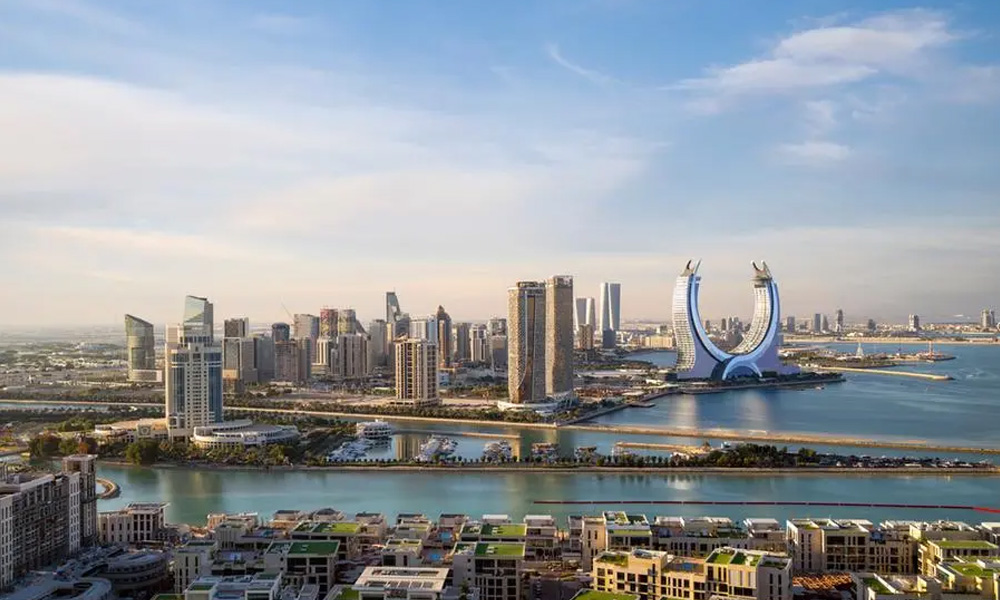
Qatar says it is now planning to roll out more than 188 projects and initiatives between 2024 and 2030 to accelerate growth in trade and investment, according to a report by Qatar Television. The country says that it has been steadily strengthening its position as a regional trade and investment hub, backed by long-term economic planning and infrastructure development under its national vision strategy.

The initiatives, led by the Ministry of Commerce and Industry, form part of broader efforts to make trade a central pillar of Qatar National Vision 2030. Trade resilience and food security remain central priorities, with ongoing efforts to secure supply chains and expand storage capacity to ensure long-term market stability.

As part of the strategy, Qatar is working to diversify supply routes and expand trade gateways, including strengthening land transport links and regional connectivity. These measures are aimed at improving the flexibility and efficiency of goods movement across borders.

Officials say the initiatives have already contributed to stronger supply chain performance, enabling the country to better respond to both domestic and global market demands, while reinforcing its role as a regional trade hub. Recent figures highlight this momentum, with Qatar recording a merchandise trade surplus of around US $3.32bn in January 2026. China emerged as Qatar’s largest trading partner during this period, with trade valued at $1.43bn.

The broader plan is built around economic diversification, increased competitiveness, and greater openness to international markets. It aims to drive sustainable growth in non-oil sectors at an average annual rate of approximately 3.4% through 2030.

More than half of the planned projects fall under entities affiliated directly with the ministry, while the rest are spread across industrial, trade, and logistics sectors reflecting a coordinated and integrated development approach. Qatar is also targeting up to $100 billion in foreign direct investment inflows by 2030, while continuing to strengthen domestic investments, which have already exceeded $89.55bn.

A key part of the strategy includes the development of free zones and logistics hubs covering around 50sqkm, designed to enhance trade flows and capitalise on Qatar’s strategic geographic position connecting major global markets.

The post Qatar targets US $100bn in investment with 188 new trade projects appeared first on Middle East Construction News.

Source: MEConstructionNews