Construction_1000x600-1.jpg

July 16, 2025 mebim0

Contractor ALEC has announced that it has achieved BIM Kitemark recertification from BSI for the third year in a row. The move is said to underscore its commitment to digital excellence and best-in-class information management practices aligned with the ISO 19650 series of standards.

Analysis by McKinsey Global Institute (MGI) shows that investing in technology and innovation is one of the key factors in boosting the construction sector’s productivity by up to 60%. Against this backdrop, ALEC continues to strengthen its position at the forefront of industry transformation, the firm said in its statement.

Barry Lewis, CEO at ALEC commented, “Innovation is part of our DNA, and securing this BIM recertification for a third consecutive year highlights how deeply embedded our digital-first mindset has become. We see enormous growth potential in the region, particularly in the UAE and Saudi Arabia, and our ongoing investments in innovation and digital excellence enable us to remain agile, deliver the highest quality projects, and capitalise on these opportunities.”

The BIM Kitemark, issued by BSI, is recognised globally as one of the most rigorous certifications for information management using Building Information Modelling (BIM). To recertify, ALEC had to undergo a detailed audit, demonstrating its ability to meet client information requirements with accuracy and consistency, foster strong supply chain collaboration, and deliver against the ISO 19650 framework. ALEC’s success in this undertaking signals to the market its ability to lead digital transformation in construction while helping raise the bar for the wider industry, the company revealed.

“We see this recertification as another step on a much broader journey. The regional industry has made great strides in BIM adoption, but there’s still a gap to bridge to reach the next level of utilisation and maturity in line with international standards. At ALEC, we’re committed to helping close that gap, not just within our own projects but also by leading by example and encouraging our partners and clients to embrace a digital-first mindset,” remarked Andy Boutle, Head of Digital Construction at ALEC.

ALEC said that, over the past year, it has continued to advance its innovation agenda through a clear and structured innovation strategy, underpinned by a dedicated digital strategy and IT strategy. A key pillar of this strategy is technology and automation, which sees the company continuously exploring the integration of technology and data-driven approaches to drive innovation, efficiency, and competitive advantage, the firm said.

Recent initiatives include the deployment of a new ERP platform to digitalise internal processes, further use of HoloBuilder and implementing ‘Resolve’, a new VR technology that integrates with Revizto’s issue tracker. Alongside this, the continued uptake of Morta is helping ALEC to use and reuse structured data to not only standardise and digitalise ISO 19650 documentation, but also wider project-related tracking across risks & opportunities, design change, procurement and other key functions, ALEC explained.

“In the months ahead, we’ll continue to focus on building seamless interconnectivity between our digital solutions, creating a more data-driven, efficient, and sustainable way of delivering projects,” Boutle concluded.

The post ALEC achieves BIM Kitemark recertification for third consecutive year appeared first on Middle East Construction News.


Source: MEConstructionNews


Tulip-Oasis-1.jpg

July 16, 2025 mebim0

Madar Developments, a subsidiary of Al Madar Engineering, has introduced the 11th edition of its Tulip Oasis Collection. Tulip Oasis 11 Residences, comprising 99 designed apartments, is scheduled for handover in September 2026.

The company’s in-house team of designers, architects, and construction experts have created and designed Tulip Oasis 11 Residences. This community features 48 one-bedroom and 51 two-bedroom apartments. With a gross development value (GDV) of  US $35.4mn, Tulip Oasis 11 Residences is the fourth premium property launch by Madar Developments in Majan since 2023. This development reflects the growing demand for elevated lifestyles in the community, said the developer in a statement.

Younes Al Arab, Managing Director at Madar Developments says, “At Madar Developments, we blend elevated designs and expansive spaces with functionality to deliver the best possible living experiences. Tulip Oasis 11 Residences exemplifies our dedication to quality and innovation, while reflecting our commitment to creating premium developments that offer lasting value and comfort in vibrant communities such as Majan.”

Tulip Oasis 11 Residences boasts designed homes and amenities curated for modern living. Residents can indulge in a wellness and lifestyle-focused environment, featuring a gym and yoga area, swimming pool, a plunge pool, sauna rooms, a children’s play area, a BBQ area, EV charging stations, lobby lounge. This community will prioritise comfort and connection, the firm explained.

The development’s design is infused with an abundance of natural light through floor-to-ceiling windows and open living areas. The apartments feature matt finish porcelain tiles, marble-textured kitchen counters, and dark oak wood fittings, complemented by marbling features and natural tones, creating a warm and timeless aesthetic. Each apartment also includes a fully equipped kitchenette, dedicated laundry and storage areas, walk-through wardrobes with concealed LED lighting, and ample storage space, it added.

Located in the Majan district, Tulip Oasis 11 Residences will provide convenient access to Dubai’s leisure and commercial districts, including Global Village, Dubai Hills Mall, and Dubai Marina.

Madar Developments conceived this premium property to foster connections and create a community where residents can engage, build relationships, and embrace a lifestyle with convenience. Earlier Tulip Oasis projects have attracted a diverse resident demographic, including buyers and residents from Switzerland, France, the UK, Portugal, Pakistan, Lebanon, India, Morocco, and the UAE, the statement concluded.

The post Madar Developments launches fourth residential project in Majan appeared first on Middle East Construction News.


Source: MEConstructionNews


Lincoln-1.jpg

July 16, 2025 mebim0

Lincoln Rise Real Estate Development has unveiled Lincoln Star Residence II, which is billed as a premium residential project in the UAE. The wellness-focused community will blend architecture with sustainable urban living in Dubai South. Lincoln Star Residence II is said to follow the success of the developer’s inaugural project, Lincoln Star Residence. The project is on track for handover and has gained recognition for its timely construction and investor confidence, the developer said.

Lincoln Star Residence II aims to redefine affordable luxury by focusing on wellness, design intelligence, and lifestyle accessibility. The development offers a diverse portfolio of homes, including studios, one-, tow-, and three-bedroom duplexes. The homes range from 400sqft to nearly 2,100sqft and are designed to cater to families and global investors alike.

The project will feature a community-friendly design with amenities such as a jacuzzi, swimming pool, halotherapy room, yoga, jogging, BBQ area, garden, parks, buggy-friendly pathways, children’s play zones, and a dedicated school within the premises. Modern security and convenience are also key features of Lincoln Star Residence II. The development will have 24×7 surveillance, easy access to public transit, and integrated food and retail outlets.

“The market response to Lincoln Star Residence exceeded our highest expectations. With this second project, we’re scaling that momentum into a truly holistic lifestyle community,” said Ovais Latif, CEO & Founding Partner, Lincoln Rise Real Estate Development.

“From halotherapy to rooftop serenity, this project reflects our commitment to value-driven innovation and sustainability. It’s more than a residence—it’s a sanctuary,” added Ankit Kumar Alagh, COO & Founding Partner Lincoln Rise Real Estate Development.

The post Lincoln Rise Real Estate Development launches premium residential project in the UAE appeared first on Middle East Construction News.


Source: MEConstructionNews


AMEA-2.jpg

July 16, 2025 mebim0

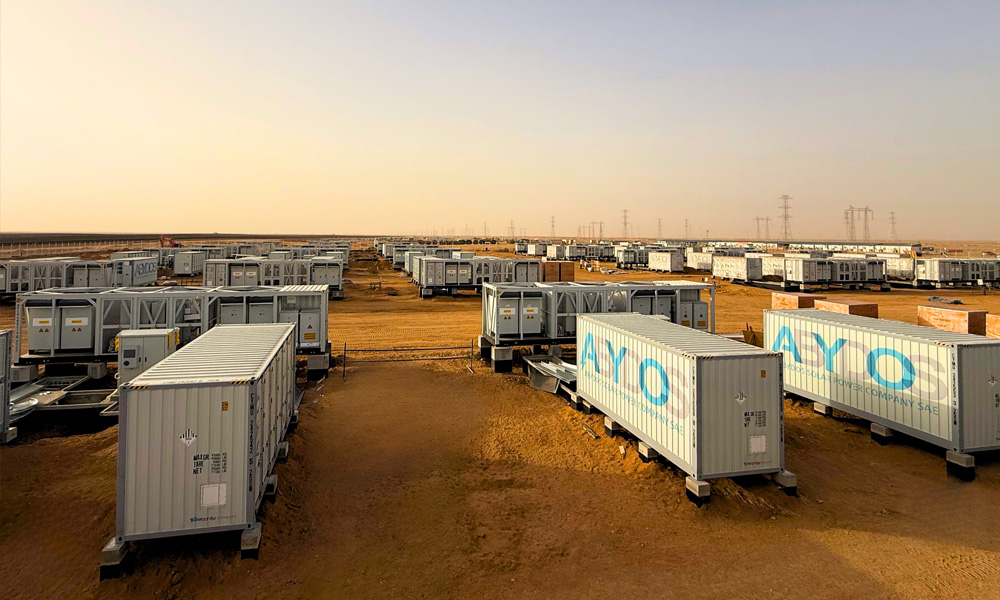
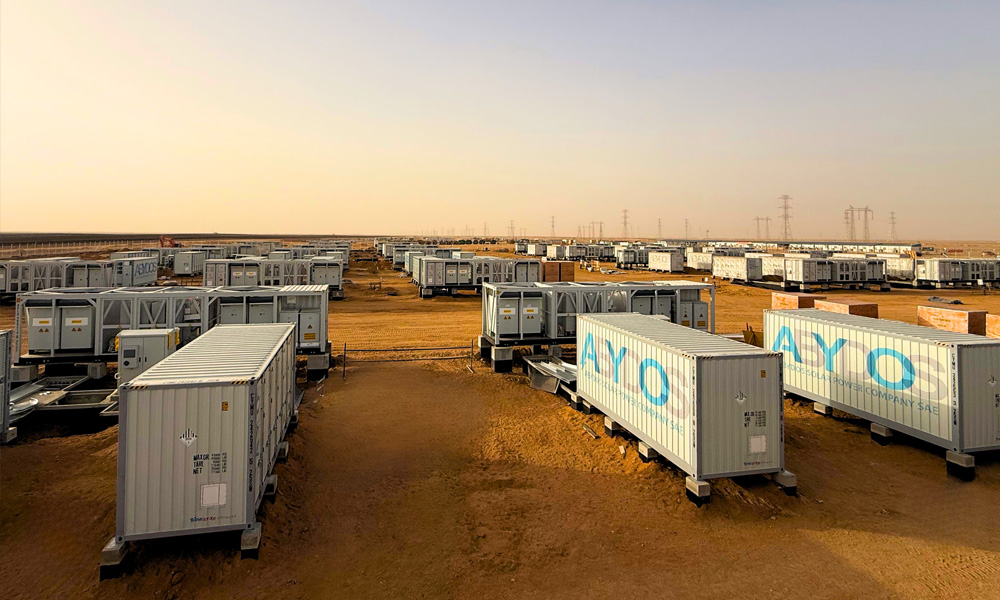
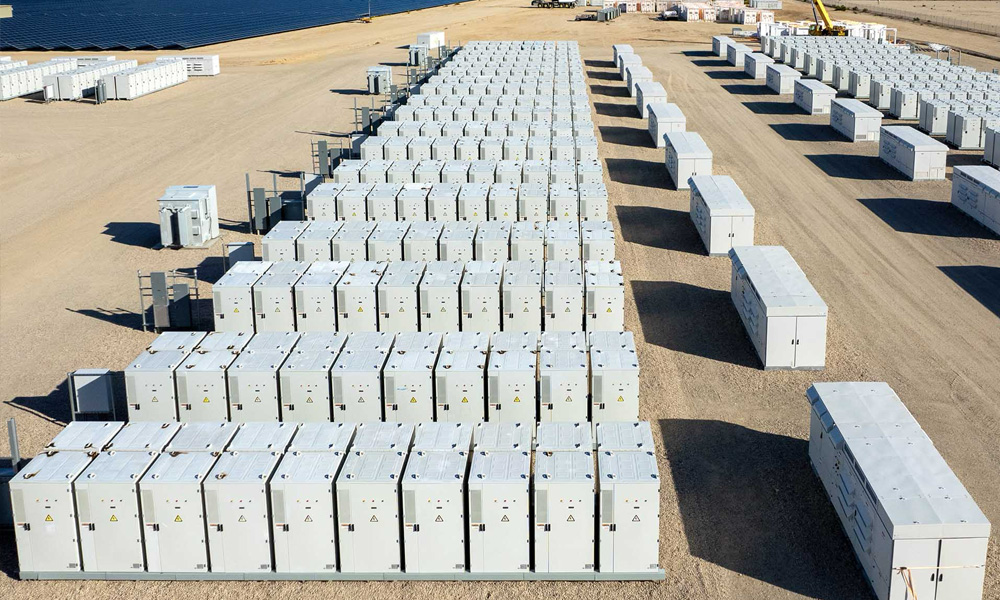
AMEA Power has announced the successful commissioning of Egypt’s first utility-scale Battery Energy Storage System (BESS). This 300MWh facility, fully powered by solar PV energy, was delivered ahead of its scheduled commercial operation date (COD). The milestone follows the project’s recent financial close, marking a significant step forward in AMEA Power’s strategy to enhance energy security and grid stability in emerging markets.

“We are proud to bring this landmark battery storage project online, strengthening the resilience of Egypt’s electricity grid while supporting the country’s renewable energy ambitions,” said Hussain Al Nowais, Chairman of AMEA Power. “This commissioning milestone reaffirms our long-term commitment to Egypt as a key partner in driving innovation and sustainability across Africa.”

AMEA Power’s first utility-scale storage project in North Africa is said to reinforce the company’s capabilities in delivering large-scale, integrated renewable energy and storage solutions. The project’s financing by the International Finance Corporation (IFC) underscores the strong partnerships in advancing energy projects in Africa.

The battery storage facility is an extension of AMEA Power’s operational 500MW Solar PV Plant in Aswan Governorate, Egypt, which was commissioned in December 2024. This integrated solar-plus-storage development aligns with Egypt’s 2035 Integrated Sustainable Energy Strategy, and reflects AMEA Power’s ongoing commitment to accelerating clean energy innovation and sustainability across the continent.

The post AMEA Power commissions Egypt’s first utility-scale BESS appeared first on Middle East Construction News.


Source: MEConstructionNews


Nikoleta_S_1000x600-1.jpg

July 15, 2025 mebim0

Artificial intelligence (AI) is already a part of our daily lives. From site analysis and energy modeling to floor plans and performance simulations, it’s becoming just another tool in our design process. In the Middle East, where projects move fast and expectations are high, AI does not feel revolutionary anymore, it simply feels expected.

However, the fundamental concerns in architecture remain the same, even as the tools change: Who are we building for? What kind of experience are we trying to create? How can we ensure that the structures we design have significance rather than just statistical value?

The challenge now is not whether or not to use AI. It is how to use it effectively without allowing it to flatten what defines architecture.

More options, but less significance?

AI gives us more options than ever. Enter a few parameters, and soon you will have hundreds of variations, daylight studies, and performance recommendations. That is helpful, especially under pressure. You get faster insight and early-stage clarity. According to the Royal Institute of British Architects (RIBA), 41% of UK practices are already using AI tools for concept generation and visualisation. Speed and structure are undeniably valuable, but they are not enough.

More choices do not always lead to better decisions. AI can calculate efficiency but it doesn’t understand emotion. It can simulate light angles but not how sunlight across a floor makes someone feel at peace. It doesn’t worry about a loved one in a hospital corridor. It doesn’t pause to reflect. That’s our job.

Design is more than optimisation. It’s about life, memory, comfort, culture. AI may tell us where to put a window for heat gain but it won’t tell us where to place it so someone wakes up feeling calm.

Allow AI to perform tasks that it is capable of doing

AI has benefits that are well worth pursuing. In terms of performance-based design, it is outstanding. Before a single wall is built, it can simulate daylight, project thermal comfort, test ventilation, and calculate energy loads.

That’s quite significant at our current temperatures. Getting performance right leads to less waste, lower energy consumption, and increased comfort. AI, when combined with accurate data, can help us achieve sustainability goals with greater confidence and speed.

As highlighted in a RIBA article, 57% of architects expect to use AI for environmental analysis within two years, identifying it as one of the most promising areas of application. The UAE’s own national AI Strategy 2031 supports this momentum, targeting high-level integration of AI across sectors- including the built environment.

However, performance alone does not define a successful building. We’ve all seen perfectly designed environments that appear frigid or detached. While atmosphere, context, and emotion are equally important (and cannot be defined by AI), numbers remain fundamental.

Design for people, not just output

We are also becoming more aware of the extent to which the built environment influences our well-being. Light, air, acoustics, orientation, and other factors all influence how people feel. AI is helping us understand these connections by processing massive amounts of data from real-world projects.

That’s handy. We could strategically arrange classrooms in a school, so that daylight is maximised, while glare is reduced. We could also consider redesigning the hospital circulation system to reduce the amount of walking by staff members and provide more relaxing areas for patients to wait.

However, well-being is more than just numbers. It is emotional, it is how a student feels their first day in a new classroom. A patient finds comfort in a setting that lacks a clinical atmosphere. Although AI cannot define those outcomes, it can support them. It still takes people and designers who pay attention and are concerned.

A tool, not a decision-maker

AI, like any other tool, has limitations. The quality of AI depends on the training data, which often originates from diverse regions and societies. What makes sense in the United States or Scandinavia is not always applicable in the Gulf. We cannot accept AI results without question. We need to ask, is this logical here? Does it reflect the way people live, work, and socialise here?

Transparency is also important. AI is beginning to shape decisions that affect people’s lives, including financial, emotional, and social outcomes. If we’re answering those calls with algorithms, we need to understand why and how they work.

RIBA’s research reflects this tension: 34% of architects view AI as threat, voicing concerns about design imitation and loss of creativity. The profession is cautiously optimistic but not uncritical.

In his book ‘Machine Learning: Architecture in the age of AI’, architect and Yale professor Philip G. Bernstein emphasises that AI should be viewed as an augmentation, rather than a substitute for architectural intelligence. He writes, ‘the architect’s role is not only to generate options, but also to apply judgment to those options in ways that are culturally, contextually, and ethically appropriate.’ In other words, AI can provide infinite iterations, but only humans can decide what matters.

Our involvement is changing rather than disappearing

Although it is easy to believe that AI is transforming our field of work, this does not imply that it is replacing us. Our responsibility is, if anything, growing. Architects shape experiences, manage complexity, and interpret needs; they don’t just draw buildings.

The more powerful our tools become, the more important it is that we actively guide them. We are the ones who set the priorities and investigate the appropriate issues to ensure that the outcome benefits actual people, not just performance goals.

We have the opportunity to lead this transformation in the Middle East, where things move quickly and consumers are open to creativity. However, innovation does not imply sprinting to automate. It entails keeping the parts that are most important to people in our hands while utilising AI where it is beneficial.

Where people still come first

AI can help us become smarter, faster, and more precise designers. It still doesn’t know what is best for a specific family, community, or city with a unique history. It has no idea what a place represents, or what it may mean in the future.

And that’s why we came into this field. The best architecture is ultimately human-made. It’s more than just clever or efficient; it’s intuitive, emotional, and deeply connected to the way people live. AI may help us build faster and smarter, but it can’t replace the insight that comes from truly understanding a place, a culture, or a community. At its core, architecture is not just about structure, it’s about belongings. And no algorithm can replace the human instinct to design for life.

The post Architectural AI: Designing better buildings while maintaining the human touch appeared first on Middle East Construction News.


Source: MEConstructionNews


ECocem-french-1.jpg

July 15, 2025 mebim0

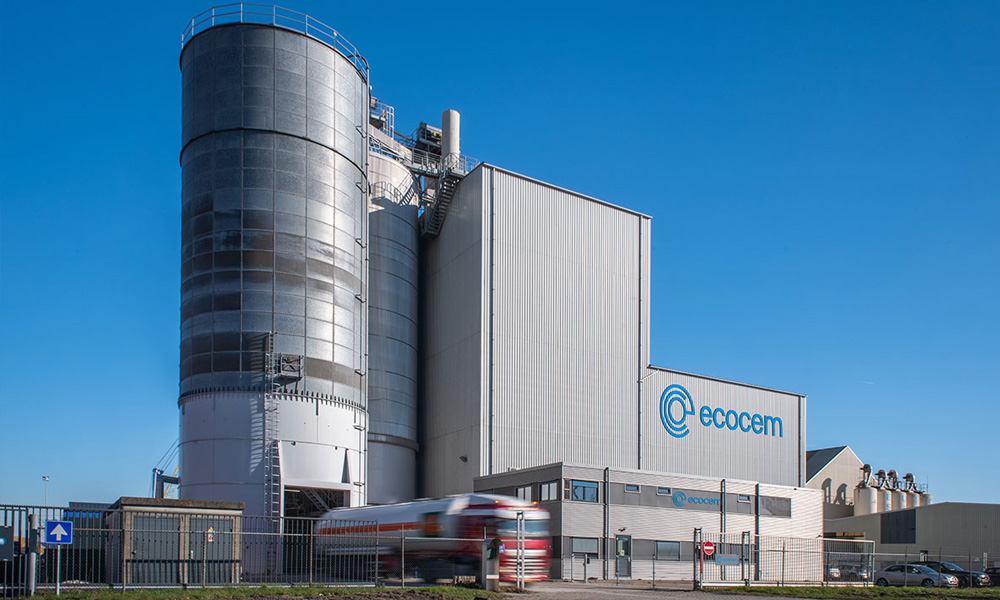
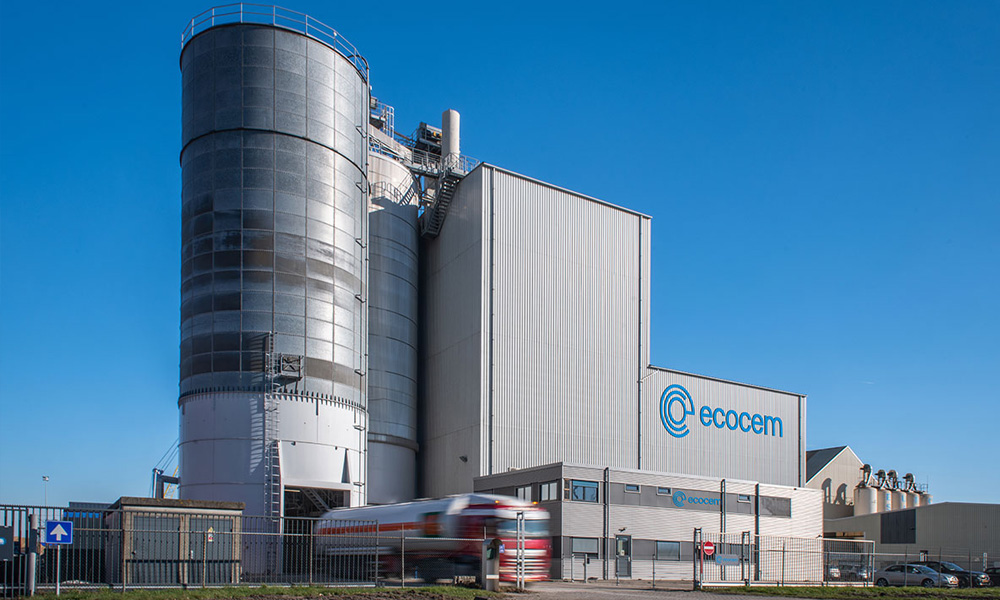
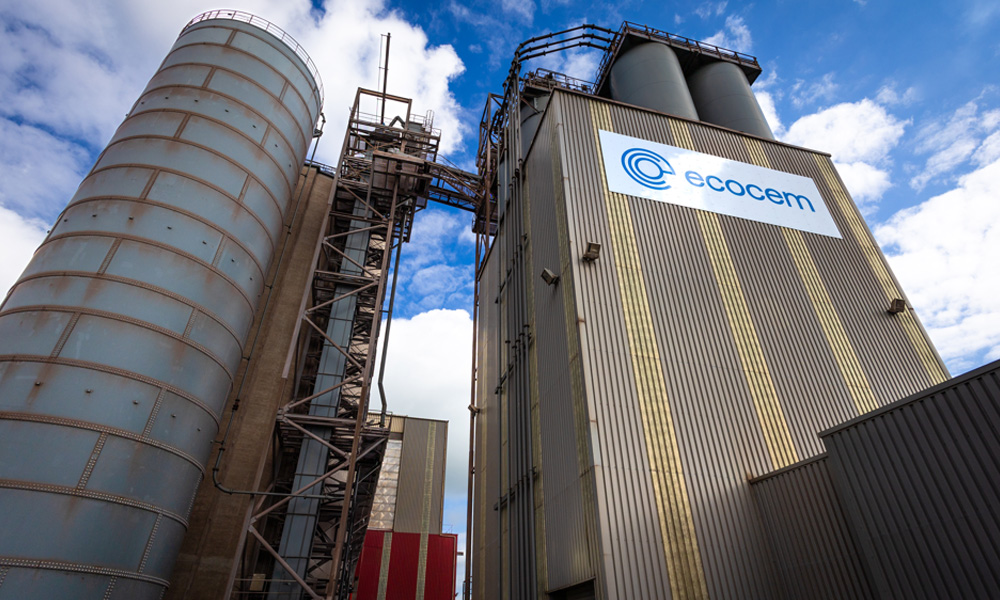
Dublin-based alternative cement producer Ecocem has announced plans to establish a new plant to manufacture its ACT low-carbon product. The new ACT plant will be built at Ecocem’s existing factory next to ArcelorMittal’s blast furnaces in Dunkirk, France. It will have the capacity to produce up to 300,000t of ACT annually, boosting the Dunkirk plant’s production capacity to more than a million tonnes per year.

The plant will serve as Ecocem’s inaugural factory dedicated to producing the new product, which Ecocem asserts has the potential to achieve a globally scalable 70% reduction in the cement industry’s carbon footprint.

Ecocem explains that ACT achieves this by optimising the utilisation of locally available alternative materials, commonly referred to as supplementary cementitious materials (SCMs), while ensuring that any concrete produced using ACT meets the necessary durability, workability, mechanical strength, and cost requirements.

ACT is a proprietary technology that uses a specific blend of minerals and additives combined with optimised particle size distribution. According to Ecocem it can be produced at almost any existing cement plant without significant investment or modifications and does not require changes in construction practices. The total investment for the plant expansion is US $54mn, funded through a bank loan classified as a ‘Green Loan’ by the EthiFinance agency and supported by both the French government and local authorities.

Ecocem Group Founder and Managing Director Donal O’Riain said, “The industrialisation of our ACT technology marks a historic turning point for the cement industry. Cement manufacturing processes have remained unchanged for 200 years; ACT represents a true technological breakthrough and an opportunity to rapidly decarbonise what is one of the world’s most polluting industries – responsible for almost 8% of global emissions – without compromising quality and performance or significantly increasing costs.”

“The support of public authorities, particularly through France 2030, validates our vision and innovative capability. This is a major recognition for Ecocem and our ACT technology, which has received its first public funding since the company was established in 2000. In 2026, we will be able to offer the market a low-carbon solution deployable on an industrial scale. This advancement, supported by major industrial players and public authorities, positions France and, more broadly, Europe at the forefront of cement decarbonisation,” he added

The project is a joint venture between Ecocem in France and CB Green, a division of French minerals processing group Groupe CB. The focus in the first half of 2025 will be on installing the mill, a key component that will produce the required fillers, as well as expanding blending and storage facilities for ACT. Construction will begin in early 2025, with a view to delivering ACT to the market in the second half of 2026.

The post Ecocem announces plans for new plant to produce ACT low-carbon product appeared first on Middle East Construction News.


Source: MEConstructionNews


Jacob-co-1.jpg

July 15, 2025 mebim0

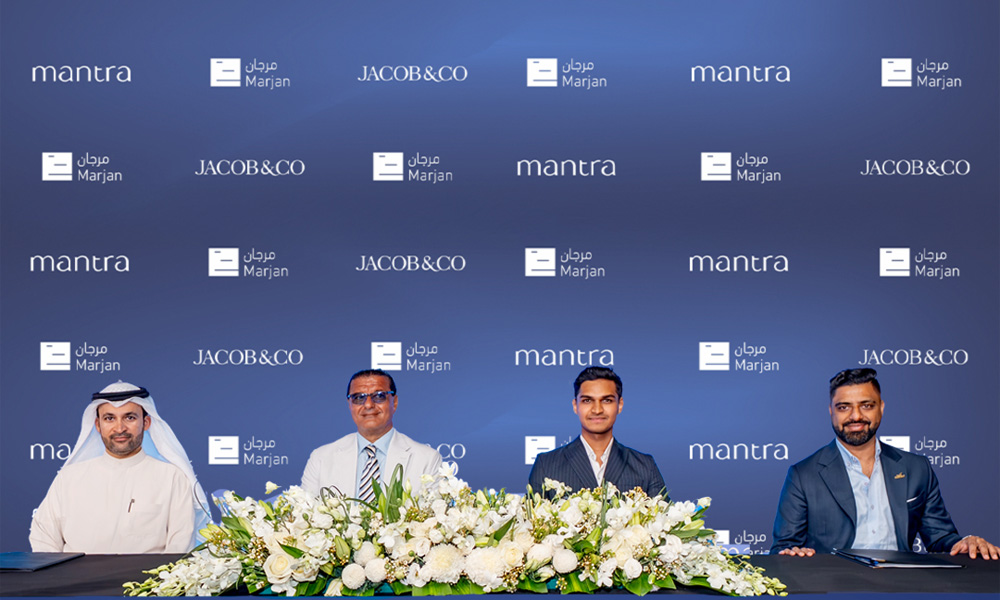
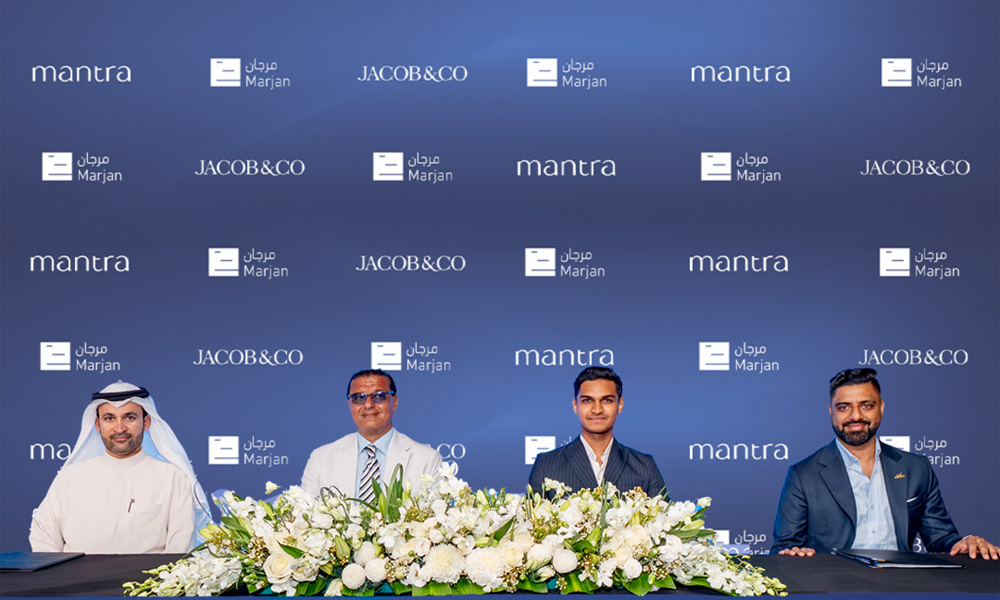
Mantra Properties and Jacob & Co, a luxury jewelry and watch brand, have forged a partnership to launch Jacob & Co Residences on Al Marjan Island in Ras Al Khaimah. The signing ceremony took place at Salvaje Dubai, where guests had the opportunity to witness an exclusive showcase of Jacob & Co’s timepieces, further emphasising the craftsmanship and creativity that underpin this partnership.

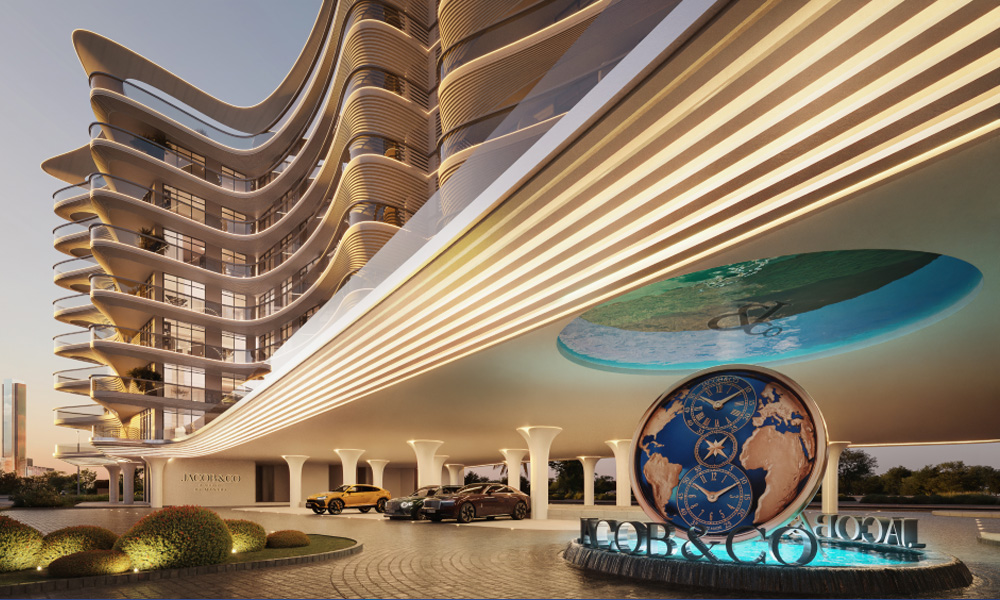
Jacob & Co Residences on Al Marjan Island marks the third residential development by Jacob & Co in the UAE, following projects in Dubai and Abu Dhabi. However, it holds the distinction of being the first such development on the Al Marjan Island and Mantra’s inaugural project in the UAE. This visionary development aims to harmonise high-end real estate with the spirit of haute horology, creating a unique and exclusive experience.

Valued at US $109mn, the development will integrate Mantra’s design-led approach, nurtured by years of delivering landmark projects in Pune and Mumbai, with Jacob & Co’s bold aesthetic and global appeal. This collaborative endeavor merges high-end real estate with the world of fine watchmaking, infusing the project with a rare level of distinction that sets it apart in the regional luxury landscape, said a statement.

Abdulla Al Abdouli, CEO of Marjan commented, “We are thrilled to welcome this extraordinary partnership between Mantra Properties and Jacob & Co to Al Marjan Island. This collaboration perfectly exemplifies our vision of creating a destination that attracts the world’s most prestigious brands and offers residents unparalleled luxury experiences. The Jacob & Co Residences will add another distinguished chapter to Al Marjan Island’s story as the UAE’s premier luxury living destination, combining exceptional design with world-class amenities in one of the region’s most sought-after locations.”

Ankit Gupta, Executive Director,  Mantra Properties commented, “This project is more than just a new chapter, it’s a reflection of our legacy. For nearly two decades, Mantra has believed in building not just homes but lasting experiences that stand the test of time. Partnering with a visionary brand like Jacob & Co allows us to elevate that legacy on a global platform, bringing together craftsmanship, elegance, and innovation in a way that will redefine luxury living on Al Marjan Island.”

Rohit Gupta, CEO, Mantra Properties added, “Our partnership with Jacob & Co is a defining moment that brings together two brands driven by vision, creativity, and excellence. This collaboration is not only about developing a landmark project on Al Marjan Island but about forging a new path for ultra-luxury living in the UAE. With Jacob & Co’s iconic design language and Mantra’s deep-rooted passion for meaningful spaces, we’re creating something truly extraordinary. This is a bold step forward for both brands, and we’re excited about what lies ahead.”

Jacob Arabo, Founder & Chairman, Jacob & Co. remarked, “At Jacob & Co, we have always believed in turning dreams into reality whether through the intricate mechanics of a timepiece or the sparkling brilliance of high jewelry. With Mantra Properties, we have found a partner who shares our relentless pursuit of perfection and innovation. The Jacob & Co Residences on Al Marjan will be a place where design, legacy, and luxury meet—a destination unlike any other.”

This collaboration is part of Mantra’s broader UAE growth strategy, which includes five new projects over the next three years. The developer is actively exploring opportunities strategic locations across the country, backed by a long-term commitment to the region. With existing branded residences in Dubai and Abu Dhabi, Jacob & Co continues its strategic expansion in the region through this landmark project, the statement concluded.

The post Mantra Properties and Jacob & Co partner to launch Jacob & Co Residences on Al Marjan Island appeared first on Middle East Construction News.


Source: MEConstructionNews


Hyatt-Centric-Cairo-1.jpg

July 15, 2025 mebim0

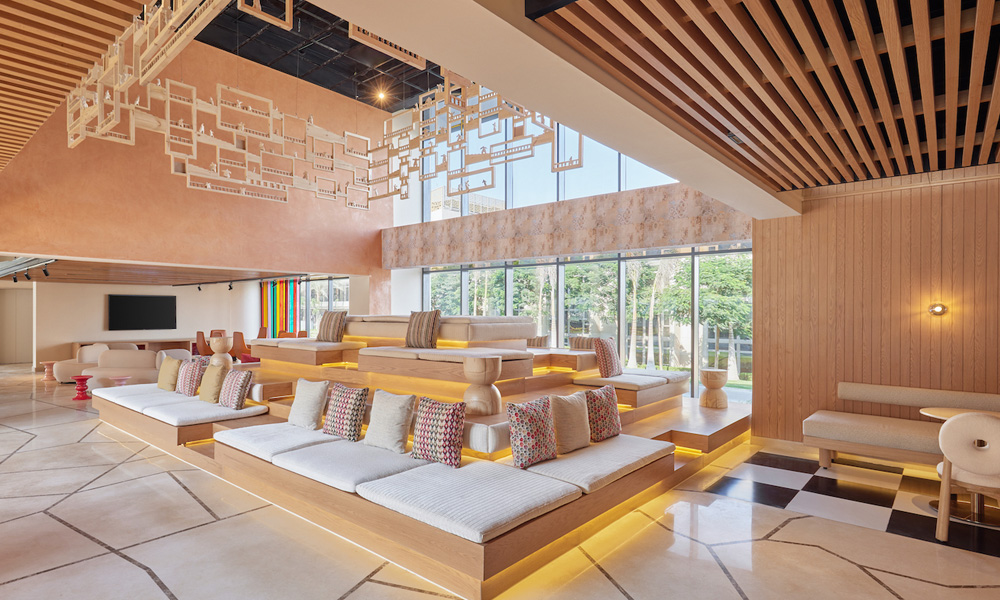
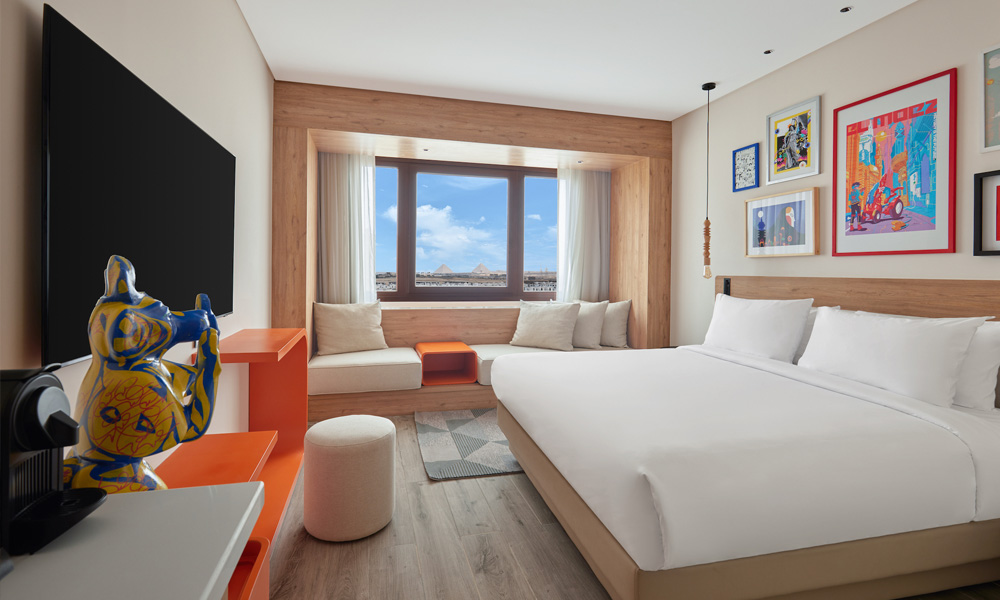
Hyatt has announced the official opening of Hyatt Centric Cairo West. This partnership between Hyatt and ADD Properties, a subsidiary of Sami Saad Holding Hospitality, aims to enhance Egypt’s hospitality industry by introducing new, luxurious accommodations to the sector. During the grand opening, ADD Properties and Hyatt affiliates also announced a license agreement to bring the first Hyatt Centric-branded residences to the Middle East and Africa region.

Following the reintroduction of the Hyatt brand to Egypt in 2021, with the opening of Hyatt Regency Cairo West, ADD Properties and Hyatt have launched Egypt’s first art-inspired hotel. Designed to provide an immersive guest experience tailored to modern travelers seeking authenticity, creativity, and meaningful connections, the property showcases contemporary Egyptian art and culture curated by ADD Art (a subsidiary of ADD Properties) in collaboration with 11 local artists, said a statement.

“We are excited to collaborate with ADD Properties on the upcoming Hyatt Centric branded residences project and are proud to mark the official opening of Hyatt Centric Cairo West,” commented Felicity Black-Roberts, SVP of Development at Hyatt. “With the successful launch of two Hyatt brands in Egypt since 2021, we are deeply grateful to ADD Properties for their collaboration, valued expertise and strong capabilities and we look forward to continuing our work together on future project opportunities in Egypt.”

“We are proud to be driving forward a new era for Egypt’s hospitality and real estate sector through this landmark collaboration with Hyatt. The opening of Hyatt Centric Cairo West and the introduction of the first Hyatt Centric branded residences upcoming in the region reflect our shared commitment to creating distinctive, experience-led destinations,” commented Lars Geweyer, CEO, ADD Properties – Hospitality Division. “At ADD Properties, we believe in delivering projects that are bold, meaningful, and rooted in culture and Cairo West is a shining example of this vision brought to life. We look forward to building on this momentum and exploring new opportunities with Hyatt, as we shape the next chapter of Egypt’s tourism story.”

The hotel is situated in the upcoming Cairo West area, a mixed-use destination on the Giza Plateau. Strategically located near the Giza Pyramids and the Grand Egyptian Museum, Cairo West is poised to become Egypt’s touristic capital. This destination will integrate hospitality, lifestyle, and culture within one of the country’s historically significant locations, the statement outlined.

Nestled within the Cairo West destination, the new residential offering will feature 322 designed residences catering to those seeking an immersive, experience-driven lifestyle. Aligning with the essence of the Hyatt Centric brand, these residences will harmonise modern design with lively community energy, providing residents with curated amenities, contemporary social spaces, and connectivity to art, culture, and entertainment, the statement concluded.

The post Hyatt Centric Cairo West opens near the Giza Pyramids appeared first on Middle East Construction News.


Source: MEConstructionNews


Louvre-Abu-Dhabi-Residences_1000x600-1.jpg

July 14, 2025 mebim0

A generation ago, business contacts were managed with Rolodexes. Music and movies were purchased with cash in brick-and-mortar stores. Even basic health metrics required a doctor’s visit. Times have changed. Today, rapid advancements in AI, IoT, and blockchain are reshaping daily life and industry. Nowhere is this more evident than in the built environment, where firms like Innovo are at the forefront of seismic transformation.

A powerhouse in the Middle Eastern construction market, Innovo has placed technology at the heart of its operations and this is clearly defined in its bold mission statement: “Innovo’s mission is to be a pioneer in construction and real estate development, integrating advanced technologies, encouraging diverse perspectives from our people, and implementing sustainable practices, to lead transformative change in the industry worldwide”

Under the leadership of Bishoy Azmy, CEO, Innovo’s commitment to innovation runs deep.

“Relentless innovation is at the core of everything we do. Technology shapes how we build, operate, and contribute to smarter, more sustainable cities and communities. It defines us and sets us apart as leaders in construction and innovation across the built environment.”

Roger Wahl, Chief Technology Officer, Innovo explained more: “We have implemented an ambitious digital transformation strategy that touches every part of the business – from people development and cybersecurity to process automation, innovation, data analytics and AI.

“Many companies talk about transformation. For us, it’s non-negotiable – and that commitment is felt well beyond the boardroom. We’ve invested heavily in fostering a culture of innovation, empowering our workforce through extensive training, collaboration and a shared mindset.”

The result?

“Our business processes have transformed,” said Wahl. “We’ve streamlined project execution, our business processes have been revolutionised and we’ve increased our effectiveness by as much as 30%.”

So how have such compelling results been achieved?

The company’s holistic approach to digital transformation has delivered tangible, measurable impact.

From the development of proprietary smart metering systems that have cut carbon emissions and shifted thinking towards construction environmentalism; to the wholesale adoption of technologies like digital twin, BIM and 3D AI Reality Capture, the company is leveraging the capabilities of modern technologies and packaging them in way that is meeting the future demands of the built environment and the communities that live, work and socialise in them.

Innovo is reshaping how it operates through digitisation, and data is now informing everything it does. The company is harnessing its fullest potential by developing a data lake to capture, analyse and report live information through interactive digital dashboards. These dashboards provide Innovo teams with real-time insights, empowering faster and more accurate decision-making.

Technologies like Digital Twin, IoT and AI are deployed to enhance productivity, safety and sustainability. And Innovo is embedding AI at both enterprise and operational levels to maximise its transformative potential.

To protect these digital assets, cybersecurity has become a top priority at the company. Innovo has introduced advanced threat detection, real-time monitoring and robust compliance measures – all while standardising and automating processes to create reliable, real-time data streams that drive operational efficiency.

Innovation, however, isn’t confined within Innovo’s walls. The company actively partners with global venture capital firms to identify and adopt emerging technologies. In 2024 alone, Innovo evaluated over 1,000 startups, piloting many within its projects and offering solutions to clients on a trial basis.

One example – the company recently utilised construction digital twin technology powered by LiDAR and AI on projects worth AED 1.4bn, reducing cycle times and lowering carbon emissions by 5-8%.

And in a landscape that is constantly evolving, Innovo’s journey is far from over.  By fostering innovation, adaptability and resilience, the company has positioned itself as a leader in digital transformation. Through culture and a determination to constantly evolve, Innovo continues to transform the built environment.

Web: www.innovogroup.com LinkedIn: @innovogroup

The post A future built on data appeared first on Middle East Construction News.


Source: MEConstructionNews

Frank-Ramirez-1.jpg

July 14, 2025 mebim0

Water Harvesting (WaHa), a climate technology company that develops innovative solutions for water scarcity, announced the completion of a US $8mn Series A-1 financing round and a corporate reorganisation. The round was lead by Chairman Mike Phillips and Board member Christian Thirion, with significant participation from the company’s note holders and investors, including Berkeley Catalyst Fund, Anthropocene Institute, Vestafund, and Mitsui Mining & Smelting Co.

This funding eliminates all debt, streamlines WaHa’s cap table, and provides the necessary capital to achieve its next major commercial milestones and secure its next funding round. Moreover, it supports a growing pipeline of qualified sales opportunities across the UAE and the broader GCC region. Field trials conducted at Khalifa University have demonstrated WaHa’s ability to reliably harvest pure water in the UAE’s harsh desert environment, characterised by extreme heat, low moisture, and frequent sandstorms, said a statement.

WaHa’s upcoming event exhibition in Dubai will mark the unveiling of its first commercially available AWG unit. This event will provide an opportunity for utilities, developers, and industrial operators to explore WaHa’s solutions and discover reliable, sustainable access to pure water.

Mike Phillips, Chairman of WaHa said, “We’ve built a platform capable of transforming access to water across multiple sectors. This raise will enable us to establish solid traction for the WaHa Vaporator and improve water security in the UAE and broader GCC.”

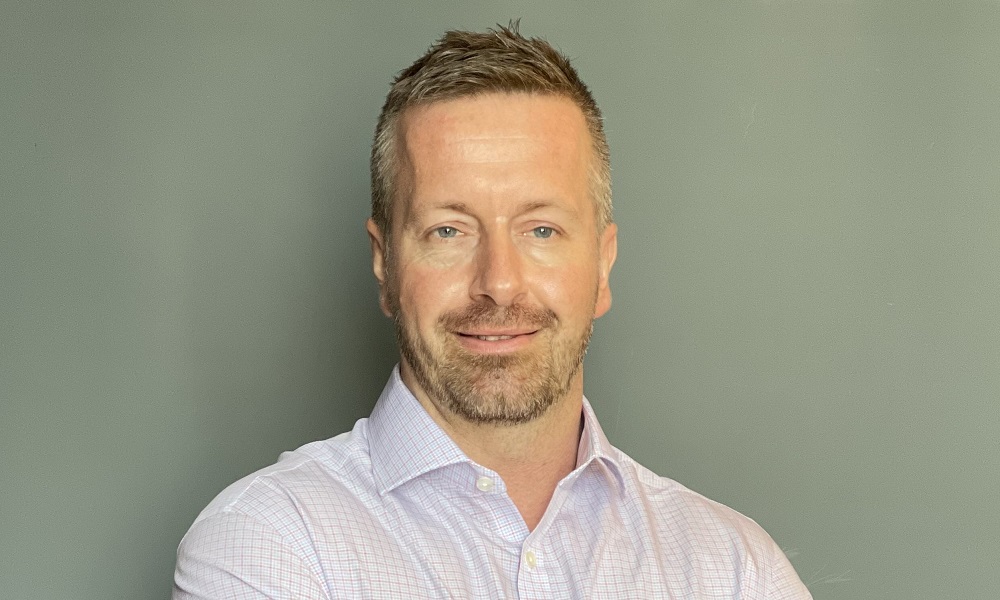
Frank Ramirez, CEO of WaHa added, “We’re grateful for the support of our investors and partners, this is a major step toward delivering water where it’s needed most—reliably, efficiently, and sustainably. We’re proud of what our team has achieved and energised for what’s ahead.”

Since 2023, WaHa has deployed its atmospheric water generation (AWG) systems in diverse and challenging environments, including West Texas, Abu Dhabi, a remote UAE desert site, Riyadh, and Stockholm. These systems have consistently achieved mechanical reliability, with a 99.998% reliability rate. Furthermore, they have consistently produced 98.3% of the target water volume, setting the highest sustained output in the AWG industry.

WaHa’s extensive patent portfolio, comprising 14 patent families and 18 patents granted worldwide, safeguards its proprietary WaHa Vaporator technology. This modular system is designed to support off-grid installations and integrate with HVAC and agricultural systems. WaHa is negotiating commercial agreements for manufacturing, distribution, and long-term service and support, the statement concluded.

The post WaHa closes US $8mn Series A-1 financing to accelerate global growth appeared first on Middle East Construction News.


Source: MEConstructionNews